Enhancing your smile with dental veneers can be a transformative decision, but it’s important to understand the dental veneers pros and cons before committing to the procedure. Whether you’re considering porcelain veneers, composite veneers, or more modern solutions like Lumineers and no-prep veneers, in this article we will dive deeper into the benefits and potential drawbacks of dental veneers, so you can weigh the pros and cons of dental veneers thoroughly.
What Are Dental Veneers?
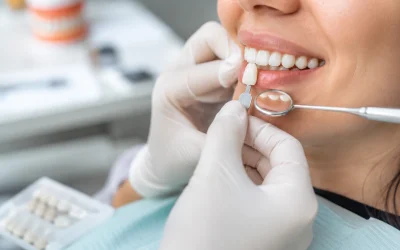
Before we explore the pros and cons of dental veneers, let’s start by understanding what dental veneers are. Veneers are ultra-thin shells made from porcelain or composite resin that are bonded to the front surface of your teeth. Their primary purpose is to improve the appearance of teeth that may be chipped, stained, misaligned, or otherwise imperfect. Veneers can be an excellent solution for people seeking a more attractive smile without the need for invasive treatments.
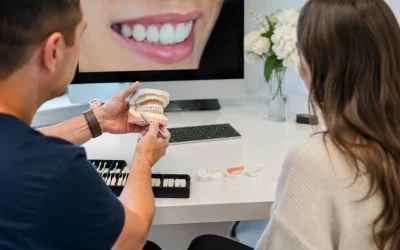
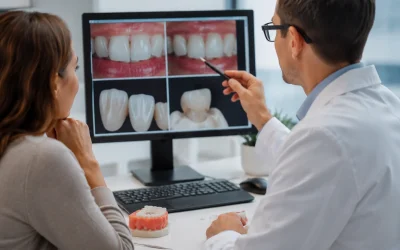
Veneers can be tailored to your exact specifications, giving you a smile that looks both natural and aesthetically pleasing. Whether you opt for porcelain veneers for their durability or the more affordable composite veneers, both types of veneers offer unique advantages and considerations.
Types of Dental Veneers
To better understand the pros and cons of dental veneers, it’s necessary to know the different types of veneers available:
- Porcelain Veneers: These are the most popular option due to their strength, durability, and realistic appearance. Porcelain veneers are highly resistant to stains and can last up to 15 years or more with proper care.
- Composite Veneers: These veneers are a more affordable alternative, typically lasting between 5 to 7 years. Composite veneers are applied directly to the teeth, offering a customizable and budget-friendly solution.
- Lumineers: These are a brand of ultra-thin veneers that require minimal preparation of the tooth. Lumineers can be applied without removing much of the enamel, making them less invasive.
- No-Prep Veneers: Similar to Lumineers, these veneers offer a minimally invasive application process, ideal for those looking for a fast, less permanent solution.
Now, let’s dive deeper into the dental veneers pros and cons.
Dental Veneers Pros and Cons
Before deciding whether dental veneers are the right option for you, you need to understand the dental veneers pros and cons.
Pros of Dental Veneers
When evaluating the pros and cons of dental veneers, it’s important to consider the various advantages they offer. Here are the benefits:
1. Enhanced Aesthetic Appeal
One of the most notable pros of dental veneers is their ability to drastically improve the appearance of your smile. Veneers can address a variety of dental imperfections, including:
- Stains and Discoloration: Veneers effectively cover stains that are resistant to traditional whitening treatments, giving you a whiter, brighter smile.
- Chipped or Cracked Teeth: If your teeth are damaged due to injury or wear, veneers can restore their original shape, making them look as good as new.
- Gaps and Misalignment: Veneers can also close small gaps between teeth and correct mild misalignment, offering a more symmetrical smile without the need for orthodontics.
2. Long-Lasting Durability
Porcelain veneers, in particular, are known for their strength and longevity. With proper care, these veneers can last anywhere from 10 to 15 years or more. This durability makes veneers a solid investment for those looking for a long-term solution to dental imperfections.
3. Stain Resistance
Porcelain veneers are naturally resistant to stains from food and drinks like coffee, tea, and wine. This feature is a major benefit, as it helps keep your smile looking bright and fresh for years without the need for constant touch-ups or whitening.
4. Minimally Invasive Options
For those seeking less invasive treatment options, Lumineers and No-Prep Veneers offer a solution with minimal tooth preparation. This means that your natural tooth structure remains largely intact, which is an advantage for those concerned about the permanence of traditional veneers.
Cons of Dental Veneers
While dental veneers offer many advantages, it’s necessary to consider the cons of dental veneers as well. Here are some potential downsides:
1. Permanent Tooth Alteration
Traditional dental veneers require the removal of a small amount of enamel from your natural teeth. This alteration is permanent and irreversible, meaning that once you opt for veneers, you’ll need to maintain them for the long term. This is a consideration for anyone thinking about the procedure.
2. Cost
Veneers, particularly porcelain ones, can be quite costly. The initial investment can be significant, especially if you need multiple veneers to achieve the desired aesthetic results. However, many patients find the long-term benefits worth the upfront cost.
3. Potential Sensitivity
After the application of veneers, some patients may experience increased tooth sensitivity, particularly to hot or cold temperatures. This sensitivity is typically temporary, but in some cases, it can persist for a while.
4. Risk of Damage
Although veneers are durable, they are not indestructible. Patients who grind their teeth or engage in activities that put excessive pressure on their teeth may risk chipping or cracking their veneers. Repairing or replacing damaged veneers can be costly and may require additional treatment.
5. Not Suitable for Everyone
Not every patient is a good candidate for dental veneers. If you have severe tooth decay, gum disease, or insufficient tooth enamel, veneers may not be a viable solution until these issues are addressed. Your dentist will assess your oral health to determine if veneers are right for you.
Ready to Transform Your Smile with Dental Veneers?
If you’ve considered the dental veneers pros and cons and are ready to enhance your smile, Smiles of Boca is here to help. Our expert team can guide you through the process and provide personalized recommendations tailored to your needs. Discover how porcelain veneers can transform your smile today!