Investing in your smile is a major decision, but many patients feel rushed into irreversible procedures. A Second Opinion for Veneers is more than just a backup plan—it is a critical step in ensuring your treatment is rooted in clinical documentation rather than just aesthetic promises. By seeking a fresh perspective, you can compare preparation philosophies, prioritize enamel preservation, and confirm that your bite (occlusion) is fully protected. Before you commit to a permanent change, use this 10-question checklist to transition from a “quick fix” to a long-term, functional investment.
Why seek a Second Opinion for Veneers?
Veneers can transform a smile, but outcomes depend more on thoughtful planning than on a single procedure. A second opinion helps confirm the diagnosis, verifies the proposed preparation philosophy, clarifies material choices, and outlines realistic longevity and maintenance expectations. It shifts the conversation from “Can we make this look better?” to “How will this look, feel, and function ten years from now?” Asking for another perspective is not about mistrust—it’s about documentation, informed consent, and comparing approaches so you can prioritize enamel preservation, comfort, and long-term oral health.
One simple step when you seek a second opinion is to review objective comparisons that balance aesthetics with function: look at a clear pros and cons analysis of veneer options before you commit to irreversible tooth preparation, dental veneers pros and cons is the kind of resource that supports patient decisions by laying out realistic benefits and trade-offs in specific clinical situations.
Question 1: Is the underlying problem fully identified? (Diagnosis and occlusion)
Start by asking whether the clinician documented the core diagnosis and how it affects your plan. Key items include identifying bruxism or clenching, evaluating your bite (occlusion), checking for TMJ symptoms, and confirming periodontal (gum) health. If grinding is present, it changes everything: untreated bruxism can chip or dislodge veneers and shortens their lifespan. A careful dentist will diagnose these conditions using photos, intraoral scans or impressions, bite records, and sometimes protective appliances as part of the treatment plan.
Request evidence of the diagnostic workup: clinical photos, radiographs, notes about occlusal contacts, and any nightguard prescriptions. An informative second opinion explains how each finding alters the veneer approach—for example, whether existing tooth wear suggests a full-mouth plan rather than isolated veneers. This clarity helps you avoid cosmetic treatments that ignore functional risks.
Question 2: How much enamel will be removed?
Not all veneers require the same tooth preparation. Ask the clinician to explain their prep philosophy and measure enamel preservation. Conserving enamel is important because bonding to enamel is stronger and more durable than bonding to dentin. A high-quality second opinion will compare conservative, minimal-prep or no-prep options with traditional porcelain veneers and explain which is appropriate for your anatomy and cosmetic goals.
Probe for specifics: will the plan use a no-prep/ultra-thin veneer, a minimal additive approach that preserves most enamel, or a traditional prep requiring more reduction? Insist on seeing pre-op scans or models that show the proposed reduction, and ask how changes will affect tooth proportions and smile harmony. If a provider recommends aggressive reduction without documenting the need, that is a red flag; enamel-sparing alternatives should be clearly weighed in any robust plan.
Question 3: Which material and why?
Materials matter. Porcelain varieties, composite veneers, and different ceramic systems have distinct aesthetic and mechanical properties. Understanding why a specific material is chosen for your case is central to a trustworthy second opinion. For instance, high-strength lithium disilicate (like IPS e.max) balances translucency and durability for many front-tooth restorations, while ultra-thin feldspathic porcelain can deliver exceptional aesthetics in conservative cases.
Ask how the choice aligns with your bite forces, the planned thickness of the restoration, and your aesthetic goals. Also ask about stain resistance, polishability, and repair options. A complete second opinion will outline alternatives, justify the recommended material, and explain trade-offs between strength and translucency so you aren’t choosing a brand name blindly but making an evidence-based decision.
Question 4: Can I see it before teeth are altered? (Mock-up and try-in process)
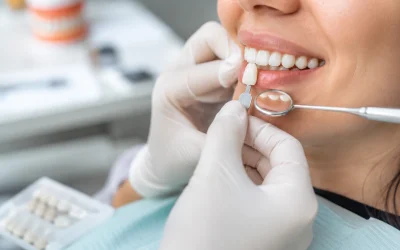
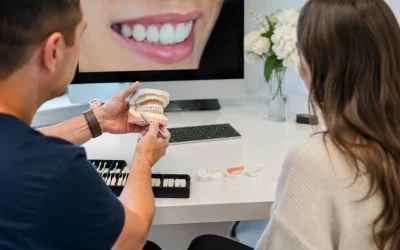
A meaningful second opinion emphasizes visualization—seeing a proposed change before irreversible work starts. Mock-ups, temporaries, and digital renderings are tools any quality clinician should use to help you preview shape, length, and color. The mock-up (a wax-up transferred to your mouth as a temporary) lets you test phonetics, lip support, and comfort. Ask whether your provider will allow adjustments at the mock-up stage and how those changes are documented.
Many practices now integrate digital smile design into planning so you can preview outcomes before any preparation—this improves communication among you, the dentist, and the lab. If this is a priority, verify that the practice follows an appropriate workflow for predictable results and try-ins. You can learn more about how this technology fits into treatment planning by reviewing specific service descriptions. This process explains how simulation and communication tools align expectations among the dentist, the lab, and the patient.
Question 5: How is the lab briefed and monitored? (Lab communication and quality control)
Lab communication is where planning is transformed into the final restoration. A thorough second opinion should detail how the clinician communicates shade, texture, translucency, and margin design to the lab, and whether a skilled ceramist is involved in shade selection and try-ins. Ask to see the case prescription and examples of the lab’s previous work. A dentist who treats veneers as purely technical without lab collaboration risks impersonal results.
Key details to request include: who is the ceramist, whether a photographic shade protocol is utilized, and if there is a protocol for adjustments after the try-in. Also, ask if the lab fabricates provisionals (temporaries) or models for your approval. A second opinion should show that the team uses standardized steps to reduce surprises and that final approval is a collaborative decision between you and your dentist.
Key planning elements at a glance
| Planning element | What to ask | Why it matters |
|---|---|---|
| Diagnosis (bruxism, gum health) | Have you documented bruxism and periodontal status? | Identifies risks that change materials, prep, and need for nightguards. |
| Preparation philosophy | What enamel will be removed and why? | Conserving enamel improves bond strength and long-term success. |
| Laboratory and mock-up | Can I approve a mock-up and review lab photos? | Previews reduce surprises and ensure aesthetic goals are met. |
Question 6: How long can I expect them to last?(Expected longevity and habit-related risks)
The longevity of restorations depends on materials, occlusion, parafunctional habits, and ongoing maintenance. A thoughtful second opinion quantifies expected service life and explains which behaviors increase risk. For example, porcelain veneers often last 10-15 years or longer with good care, but patients who grind their teeth (bruxers) can halve that lifespan unless a nightguard and occlusal adjustments are integrated into the plan.
Referencing formal guidance on the durability of porcelain restorations helps you compare statements from different providers. Understanding whether porcelain veneers are permanent is crucial when weighing the realistic duration and maintenance demands of this treatment.
When you get a second opinion, insist on an honest risk assessment that includes your habits: nail-biting, ice-chewing, using teeth as tools, or biting into hard foods all affect outcomes. The second opinion should pair the treatment with a maintenance plan: a nightguard for bruxism, periodic occlusal checks, and professional cleanings and polishing to keep the margins healthy.

Cosmetic Dentistry in Boca Raton
Get expert dental care and a personalized treatment plan designed for you.
Question 7: What ongoing care do veneers require?(Maintenance plan)
Maintenance is a shared responsibility. A complete second opinion should provide a written maintenance schedule that outlines professional visits, hygiene instructions, and protective measures. Routine six-month hygiene appointments, careful home care with non-abrasive toothpaste, and immediate evaluation of any chips or discoloration should be included. If veneers are placed in an environment with gum recession or high caries risk, the plan should also include periodontal follow-up and fluoride or antimicrobial strategies.
Ask what the clinician will document in your record and how follow-up will be handled if issues arise. A reliable plan couples preventive care with clear instructions on when to seek repair versus when a full replacement is likely. This helps you budget and plan for long-term oral health, not just a quick cosmetic improvement.
Question 8: How are changes managed after try-in? (Mock-ups, try-ins and change control)
After a mock-up or provisional phase, any adjustments should be tracked and agreed upon before permanent bonding. A quality second opinion clarifies the process for approving final shade, shape, and margin fit during the try-in appointment. Ask whether photographs of the try-in will be sent to the lab with notes, whether digital scans will capture the agreed changes, and what contingency exists if a restoration fails to meet the agreed criteria at placement.
Change control should also include the adhesive protocol and any surface treatments to the tooth and restoration documented in writing. This level of documentation protects you and the provider, and it ensures that any repeat work (redo) is based on the original specifications rather than subjective recollection.
Question 9—What does a redo look like? (Redo scenarios and warranties)
It’s important to know upfront how failures will be handled. A second opinion will explain realistic redo scenarios: minor repairs (edge chipping repaired in-chair), replacement of a single veneer, or a full re-treatment if margins or bond failure occur across multiple teeth. Also ask about timelines for redo, who bears what cost under normal wear versus clinical error, and whether any warranty or written guarantee covers the work and under which conditions.
Good providers document baseline photos and scans, keep the lab prescription, and specify who pays for adjustments due to fit or color mismatch at delivery. If a redo is required years later, the documentation should support predictable replication of the esthetic result or explain when anatomy changes require a new approach.
Question 10: Do I receive a clear, written plan I understand? (Decision confidence and shared documentation)
A constructive second opinion ends with a clear, written treatment plan that summarizes diagnosis, proposed work, materials, alternative options, timelines, maintenance requirements, risks related to your habits, and anticipated costs. This written plan should include clinical photos, mock-up records, and laboratory communication notes. It’s the tool that turns an opinion into a decision and reduces the chance you’ll be surprised by outcomes or hidden trade-offs.
When seeking a second opinion, compare two or more documented plans side by side. Look for differences in preparation approach, lab processes, and follow-up care. Stick to clinicians who explain the rationale behind each step, document communication with the lab, and commit to a maintenance schedule and reasonable protocols for redo. Clear evidence and documentation empower you to pick the plan that best balances aesthetics, function, and longevity.
Next Steps for Your Second Opinion
To make your second opinion for Veneers as efficient as possible, follow these practical steps:
-
Prepare Your Records: Gather photos, X-rays, bite records, and the original treatment plan from your first consultation. Providing these to the new clinician ensures an objective, evidence-based comparison.
-
Use the Checklist: During your visit, demand explicit answers regarding enamel preservation, lab communication, and bruxism management. A transparent provider will always welcome detailed questions.
-
Verify Documentation: Prioritize practices that provide written plans and mock-ups. This ensures your decision is based on clinical diagnostics and laboratory collaboration rather than just marketing images.
Cosmetic Dentistry in Boca Raton
Get expert dental care and a personalized treatment plan designed for you.
How to compare the second opinion with your original plan
When you have both plans in hand, compare them across several dimensions: diagnosis thoroughness, enamel preservation, material justification, mock-up and try-in rigor, lab communication, and maintenance and redo policies. Prioritize approaches that preserve tooth structure, document the steps leading to the final bond, and include preventive measures for your habits. A cosmetic-first approach that overlooks occlusion or bruxism is a sign you should pause and seek an alternative that balances beauty and function.
Finally, if digital planning or simulation is important to you, confirm how each practice uses digital tools and whether the lab receives high-quality digital records. A smooth digital workflow reduces the chance of miscommunication and increases the likelihood that the final restorations will match the mock-up and your expectations.
Empowering Your Decision Through Documentation
A Second Opinion for Veneers is your best tool for ensuring that your treatment plan balances immediate beauty with long-term health. By insisting on written documentation, physical mock-ups, and a clear understanding of enamel preservation, you protect your investment from unexpected failures. Before committing to irreversible changes, take the time to compare expert perspectives and review the functional pros and cons of each material. This proactive approach allows you to move forward with a plan that is scientifically sound, aesthetically pleasing, and built to last.
Common Questions About Getting a Second Opinion for Veneers
? How much do provider fees vary and what drives cost differences?
- A practical example is two patients with similar cosmetic goals: one is treated with minimal-prep veneers and a high-end ceramist producing custom characterization; the other receives standard feldspathic veneers with less lab collaboration. The outcomes and durability may differ significantly, justifying different fees.
- Recommendation: request an itemized treatment estimate and the lab fee breakdown, and ask for photos of prior cases done by the proposed lab to compare quality versus cost.
? What common mistakes do patients make when accepting a veneer plan?
- Practical example: a patient who grinds at night received veneers without a nightguard and later required multiple repairs.
- Actionable recommendation: insist on seeing a mock-up and written documentation of occlusal analysis and ask that any plan include protective measures for parafunctional habits before final bonding.
? How do I evaluate a laboratory’s quality before committing?
- Recommendation: ask your dentist to include the lab’s portfolio and a description of the communication protocol in your written treatment plan, and prioritize labs that collaborate during try-ins.
? What timelines are realistic from consultation to final placement?
- Recommendation: ask for a proposed timeline that includes diagnostics, mock-up approval, lab production time, try-in, and follow-ups, and verify the lab’s average turnaround to set realistic expectations.
? What are practical indicators that a redo will be simple versus complex?
- Recommendation: request written criteria from your provider that define when repairs are acceptable versus when a full replacement is recommended, and ask for documented examples of both outcomes in similar cases.