Choosing to improve your smile with veneers is a big decision, and one of the first things patients want to know is exactly what the dental veneers process involves. Far from being a one-size-fits-all treatment, veneers are carefully customized for each individual, ensuring that the final result looks natural and complements your overall facial aesthetics.
The veneers process typically involves multiple appointments—from consultation to final placement—each designed to achieve the best possible outcome. Patients often search for the “veneer teeth process” because they want clarity on what to expect, how long it takes, and whether it’s the right choice for their needs. Understanding the steps ahead of time can make the experience smoother and help you feel confident about moving forward with treatment.
What Are Dental Veneers?
Dental veneers are thin, custom-made shells designed to cover the front surface of teeth, improving their shape, size, color, or alignment. They are bonded directly to the enamel and are considered one of the most effective cosmetic dentistry treatments available today.
There are two main types of veneers:
- Porcelain Veneers: Known for their strength, durability, and lifelike appearance. They resist stains and can last 10–15 years or longer with proper care.
- Composite Veneers: Made from resin material, these are more affordable and can often be placed in a single visit, though they are slightly less durable than porcelain.
Patients choose veneers for a variety of reasons—covering stains that don’t respond to whitening, fixing chipped or worn-down teeth, closing small gaps, or creating a more even, symmetrical smile. In short, the veneer teeth procedure focuses on aesthetics, transforming your natural teeth into a brighter, more uniform smile without major surgery.
The Step-by-Step Veneer Teeth Process
The dental veneers process is carefully structured to ensure both precision and comfort. Here’s a breakdown of the typical stages:
- Initial Consultation and Evaluation
- Your dentist will examine your teeth, gums, and bite to determine if you’re a good candidate for veneers.
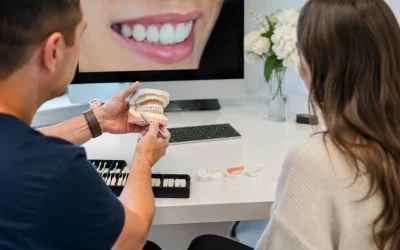
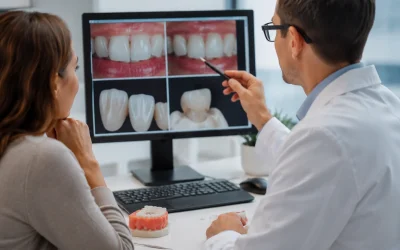
- This stage may include X-rays, photos, or impressions. It’s also when you discuss your smile goals—whether you want whiter teeth, a straighter appearance, or both.
- Tooth Preparation
- A small amount of enamel (usually less than a millimeter) is gently removed from the surface of each tooth to make room for the veneer.
- This step ensures a natural fit and prevents the teeth from looking bulky.
- Impressions and Temporary Veneers
- After preparation, impressions are taken to create a precise model of your teeth.
- Temporary veneers may be placed to protect your teeth while the permanent ones are being crafted in a dental lab.
- Custom Veneer Fabrication
- Using your impressions, a dental lab designs your veneers to match your natural teeth in shape and color—or to enhance them, depending on your goals.
- This process typically takes 1–2 weeks.
- Final Placement and Bonding
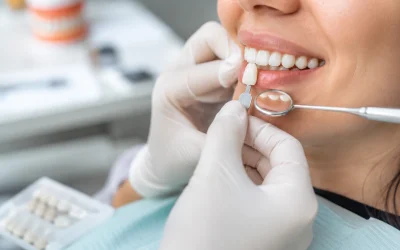
- Once your custom veneers are ready, your dentist will check their fit and color before permanently bonding them to your teeth using a special adhesive.
- A curing light hardens the bond, and final adjustments are made for comfort and bite alignment.
The entire veneer teeth process usually requires 2–3 visits, though some patients may complete it in fewer appointments depending on the type of veneer chosen. The result is a natural-looking, long-lasting smile transformation.
How Teeth Are Prepared for Veneers
A common concern patients have is whether the veneers process will damage their natural teeth. The truth is, preparing teeth for veneers is a minimally invasive step that ensures a natural, comfortable fit.
During the veneer teeth procedure, a dentist removes a very thin layer of enamel—usually less than one millimeter—from the front surface of each tooth. This is necessary to:
- Make room for the veneer shell so the teeth don’t look bulky.
- Improve bonding, allowing the veneer to adhere securely.
- Create a seamless, natural transition between the veneer and the gumline.
In some cases, especially with composite veneers or no-prep veneers, the amount of enamel removed may be extremely minimal or not required at all. Local anesthesia can be used if needed, but most patients report little to no discomfort during this stage. Tooth preparation is a careful and conservative part of the dental veneers process, designed to protect your natural tooth structure while achieving the best aesthetic results.
Benefits of the Veneers Process
The dental veneers process is one of the most popular cosmetic dentistry treatments for good reason. Here are some of the key benefits:
- Immediate Aesthetic Improvement
Veneers instantly transform your smile by covering discoloration, chips, gaps, or uneven teeth. - Natural-Looking Results
High-quality porcelain veneers mimic the translucency of natural enamel, making them virtually indistinguishable from real teeth. - Durability
Porcelain veneers can last 10–15 years or longer with proper care, offering a long-term solution for cosmetic concerns. - Stain Resistance
Unlike natural enamel, porcelain is resistant to stains from coffee, tea, or wine, helping you maintain a brighter smile. - Confidence Boost
Many patients say the veneers process doesn’t just improve their smile—it changes how they feel about themselves, boosting self-esteem in both personal and professional settings.
Aftercare: What to Expect After the Veneer Procedure
Once your veneers are in place, proper aftercare is essential for keeping your smile healthy and your veneers long-lasting. Here’s what you can expect after the veneer teeth procedure:
- Initial Sensitivity
It’s normal to experience mild sensitivity to hot or cold foods for a few days after placement. This usually subsides quickly. - Oral Hygiene
Treat your veneers like natural teeth: brush twice daily, floss once a day, and visit your dentist for regular cleanings. - Lifestyle Habits
Avoid biting directly into hard foods (like ice or hard candies) and don’t use your teeth as tools. These habits can chip veneers over time. - Long-Term Care
With consistent dental hygiene and mindful habits, porcelain veneers can last more than a decade, while composite veneers may last 5–7 years.
The good news is that after the dental veneers process, maintenance is simple and straightforward—just follow healthy oral care practices, and you’ll enjoy your new smile for years to come.
Veneers Process vs Other Cosmetic Treatments
When considering a smile makeover, patients often compare the veneers process with other cosmetic dentistry options. While all treatments can improve aesthetics, they differ in durability, cost, and how they address specific concerns:
- Teeth Whitening
- Best for stains and discoloration.
- Quick and affordable but results may fade over time.
- Unlike whitening, veneers provide a permanent color change and also fix shape and alignment issues.
- Dental Bonding
- Uses composite resin to repair chips, cracks, or small gaps.
- More affordable than veneers, but less durable and more prone to staining.
- The veneer teeth procedure offers longer-lasting, more natural-looking results.
- Orthodontics (Braces or Aligners)
- Correct misalignment and bite issues.
- Treatment can take months or years.
- Veneers provide a faster cosmetic solution for minor alignment concerns, though they don’t correct the bite itself.
While whitening, bonding, or aligners have their place, the dental veneers process offers a versatile solution for patients seeking a comprehensive, long-lasting cosmetic transformation.
Common Questions About the Veneer Teeth Process
- How long does the dental veneers process take?
Most patients complete treatment in 2–3 visits over a few weeks. - Is the veneer teeth procedure painful?
No. Minimal discomfort may occur during tooth preparation, but anesthesia and modern techniques make the process very comfortable. - How many teeth can get veneers at once?
It depends on your goals—you can get a single veneer or a full set for a complete smile makeover. - How long do veneers last?
Porcelain veneers can last 10–15 years or more, while composite veneers generally last 5–7 years. - Can veneers stain or break?
Porcelain veneers are stain-resistant and durable, but they can chip if exposed to excessive force. With good care, they remain strong and beautiful for many years.
Ready to Begin Your Veneer Journey?
The dental veneers process is one of the most effective ways to achieve the smile you’ve always wanted. From preparation to final bonding, each step is designed to ensure natural results, durability, and a boost in confidence. Compared to other cosmetic treatments, veneers stand out for their ability to address multiple concerns at once—color, shape, alignment, and overall aesthetics.
At Smiles of Boca, we specialize in creating personalized veneer treatments tailored to your unique goals. Whether you’re looking to correct a single tooth or transform your entire smile, our team is here to guide you every step of the way. Ready to start your veneers process? Schedule a consultation today and let us design the smile you’ve always dreamed of.