Modern dental treatments don’t just focus on long-term results, they also prioritize your comfort and appearance during every stage of care. When a tooth is lost or removed, the period between procedures can feel uncertain or incomplete. That’s where transitional solutions like a temporary bridge come in, helping patients maintain stability, confidence, and normal function while waiting for their permanent restoration.
In this article, you’ll find everything you need to know about temporary dental bridges, including how they work, how long they last, what they look like, common issues, estimated costs and how they compare to other methods.
What is a Temporary Dental Bridge?
A temporary bridge is a short-term dental restoration used to fill the space left by one or more missing teeth while a permanent solution is being created. It serves functional and aesthetic purposes, allowing patients to maintain a natural smile, chew comfortably, and protect the alignment of surrounding teeth.
In clinical terms, a temporary dental bridge, also referred to as a provisional bridge or temporary tooth bridge, is typically made from acrylic or composite resin. It is custom-fitted and bonded in place to span the gap between adjacent teeth or dental implants. Although it is not as strong or durable as a permanent bridge, it plays a critical role during the healing or preparation phase of treatment.
What does a temporary dental bridge look like?
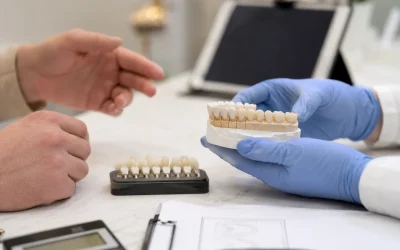
A temporary bridge dental is designed to resemble your natural teeth in shape, size, and color. It usually includes a false tooth (pontic) supported by crowns or bonded to adjacent teeth. Though made from materials like acrylic or composite, it blends well with the rest of your smile. Its purpose is to be functional yet discreet during the treatment process.
Temporary bridges may not have the same polish or translucency as a permanent one, but they offer a clean, natural appearance. While minor differences in texture are common, most people won’t notice you’re wearing a temporary solution. Whether it’s a dental bridge temporary or a custom-made crown, these restorations are built to support comfort and confidence until your final procedure.
Why and When Is a Temporary Bridge Needed?
A temporary bridge is often necessary when there’s a gap left by a recently extracted or missing tooth and a permanent restoration isn’t ready yet. Leaving that space open can lead to unwanted consequences such as teeth shifting, bite misalignment, and gum irritation. That’s why a temporary dental bridge is commonly used to maintain stability and protect the area during the transition.
One of the most frequent scenarios is the need for a temporary tooth while waiting for implant placement. In these cases, temporary bridges serve as a functional placeholder, allowing patients to eat, speak, and smile with confidence while the implant integrates or the final restoration is being prepared. They are fundamental for oral health and aesthetics during multi-phase treatments.

Need a Dental Temporary Bridge Right Now?
Don’t wait weeks for your smile to come back. A custom dental temporary bridge gives you back your confidence from day one.
Book an appointmentBenefits and Drawbacks of a Temporary Bridge
A temporary bridge offers both functional and aesthetic support during transitional dental treatment. Still, it’s essential to understand its specific strengths and limitations to care for it properly and manage expectations:
Benefits of a Temporary Bridge
- Protects Exposed Areas After Extraction: A temporary bridge shields sensitive gums and adjacent teeth immediately following a tooth extraction. This helps prevent irritation, reduces sensitivity, and encourages more comfortable healing.
- Maintains Natural Bite and Tooth Position: By filling the gap left by a missing tooth, a temporary bridge prevents neighboring teeth from shifting. This helps preserve your bite alignment and avoids complications like overcrowding or uneven wear.
- Quick Placement with Temporary Bridge Cement: Unlike permanent restorations, a temporary bridge can be placed quickly using temporary bridge cement. This allows for easy adjustments and minimal chair time at the dental office.
- Improves Short-Term Confidence: While waiting for implants or crowns, a temporary bridge allows you to speak, laugh, and smile without embarrassment. It’s especially helpful in front-tooth replacements or social/professional settings.
Drawbacks of a Temporary Bridge
- May Cause Temporary Dental Bridge Pain: Some patients report mild discomfort, especially in the first days after placement. This may result from bite pressure, gum sensitivity, or imperfect fit and often subsides with minor adjustments.
- Risk of Dislodgement or Detachment: Because temporary glue for dental bridge is designed for easy removal, it’s less stable than permanent cement. Biting into sticky or hard foods may cause the bridge to loosen or fall out unexpectedly.
- Limited Durability of Temporary Materials: Made from acrylic or resin, these bridges are prone to wear, staining, or cracking over time. If kept longer than intended, they may weaken, requiring repair or replacement.
- Temporary Cement for Dental Bridge Is Not Waterproof: Moisture and food debris can weaken the temporary cement for dental bridge, especially if oral hygiene is inconsistent. This can lead to sensitivity, bad taste, or bacterial buildup around the area.
Restore Your Smile with a Temporary Bridge!
Just had a tooth extracted? A dental temporary bridge helps you chew, speak, and smile normally while your final treatment is being prepared.
Book an appointmentTypes of Temporary Bridges
Not all temporary bridges are the same. Dentists select the type based on the patient’s needs, treatment timeline, and the location of the missing tooth. Whether it’s a temporary bridge after extraction or a bonded temporary tooth, each variation offers unique benefits. Below are the most common types used in modern dentistry:
1. Traditional Temporary Bridge
This type uses crowns placed over the teeth adjacent to the missing space to support the pontic (false tooth). Often referred to as temporary bridge teeth, it’s one of the most stable options and is frequently used when a patient is waiting for a permanent fixed bridge or crown. It offers better retention and is ideal for back molars or areas requiring more strength.
2. Bonded Temporary Tooth
A bonded temporary tooth is often used when the procedure needs to be quick and less invasive. Instead of full crowns, the false tooth is bonded to neighboring teeth with resin. This option is ideal for front teeth and short-term use, especially when aesthetics are important. It may be less durable, but it offers excellent cosmetic value.
3. Temporary Bridge After Extraction
Immediately following a tooth removal, a temporary bridge after extraction can be placed to fill the gap and support surrounding tissue while healing occurs. It helps prevent teeth from shifting and protects the socket. This type is often used as a temporary tooth bridge before the placement of an implant or permanent restoration.
4. Implant-Supported Temporary Bridge
In cases where patients are undergoing implant placement, a temporary tooth while waiting for implant is often used. This can take the form of a bonded bridge or removable appliance, depending on the situation. It allows patients to maintain appearance and function during the implant integration phase.
Each of these temporary bridge options is made from lightweight materials like acrylic or composite resin. While they are not designed for long-term use, they play a crucial role in preserving oral health, function, and aesthetics during treatment.
How Much Does a Temporary Bridge Cost?
The temporary dental bridge cost can vary depending on location, materials, and whether it’s placed as part of a larger treatment plan. On average, prices in the U.S. range from $200 to $700 per unit, especially if it’s made from acrylic or resin and used for a short period.
So, how much does a temporary dental bridge cost for you? If it’s included in your implant or crown procedure, the cost might be bundled into the total price. However, in standalone cases, dental clinics may charge separately for fabrication, placement, and adjustments. Always ask for a breakdown to avoid surprises and confirm if it’s covered by insurance.
How Long Does a Temporary Bridge Last?
The lifespan of a temporary bridge varies depending on the materials used, the patient’s oral hygiene, and how well it’s maintained. On average, how long do temporary bridges last can range from a few weeks to a couple of months. These restorations are not meant to endure the same wear as permanent options and are designed to be easily removed or adjusted when needed.
So, how long will a temporary bridge last in your case? For many patients, it serves reliably for the entire waiting period between procedures. However, how long can a temporary bridge last without complications also depends on avoiding sticky foods, maintaining clean margins, and attending follow-up visits. If you’re wondering how long does a temporary dental bridge last, your dentist can give you a more precise estimate based on your treatment plan.
Dental Code for Temporary Bridge
If you’re planning a dental procedure or filing an insurance claim, knowing the correct dental code for temporary bridge placement is important. Dental billing codes (known as CDT codes in the U.S.) help identify specific procedures for coverage, documentation, and cost transparency.
The temporary bridge dental code typically falls under the category of interim prosthesis. One common CDT code used is D6973 – Core build-up for bridge, but this can vary depending on whether it’s a direct or lab-fabricated bridge, the materials used, and whether it involves adjacent procedures like extractions or implants.
To ensure accurate billing, your dental provider should clarify the exact code being used for your case. Always request this information in advance, especially if you’re coordinating with your dental insurance provider.
Smile Confidently at Every Stage!
Missing teeth shouldn’t stop you from looking your best. A dental temporary bridge restores function and esthetics while you wait for a permanent solution.
Book an appointmentComparison of Temporary Bridges with Other Types
Choosing the right dental restoration can feel overwhelming, especially when you’re dealing with missing teeth and several options are available. To help you make an informed decision, here’s how a temporary bridge compares to two commonly used alternatives: the cantilever bridge and the permanent bridge.
Temporary Bridge vs Cantilever Bridge
| Feature | Temporary Bridge | Cantilever Bridge |
|---|---|---|
| Durability | Low – made from acrylic or resin | Moderate – depends on material (e.g. PFM) |
| Biocompatibility | Good – temporary materials are well-tolerated | High – uses long-term biocompatible materials |
| Esthetics | Acceptable – natural look for short term | Good – more refined, long-term appearance |
| Longevity | Short – how long does a temporary dental bridge last varies (weeks to months) | Several years or longer |
| Tooth Reduction | Minimal | Moderate – needs support from only one tooth |
A temporary bridge is meant for short-term use, often held in place with temporary bridge cement, making it easier to remove or adjust. A cantilever bridge is a more permanent alternative, but only suitable in specific clinical cases, typically for low-stress areas like front teeth.
Temporary Dental Bridge vs Permanent Bridge
| Feature | Temporary Bridge | Permanent Bridge |
|---|---|---|
| Durability | Low – prone to wear or fracture | High – built for everyday long-term function |
| Biocompatibility | Good | Excellent – materials like zirconia or PFM |
| Esthetics | Moderate – blends reasonably with natural teeth | Excellent – high polish, natural translucency |
| Longevity | Short – varies depending on oral care | Long – 5–15 years with proper maintenance |
| Tooth Reduction | Minimal to moderate | Moderate to significant |
While a dental bridge temporary helps during the interim phase, it is not a replacement for a well-fitted, durable permanent bridge. The temporary option is quick and practical but requires more caution during eating and oral hygiene. Once you’re ready, your dentist will remove the temporary with ease thanks to temporary bridge cement, and place the final restoration.
Ready to Restore Your Smile with a Dental Temporary Bridge?
Don’t let missing teeth disrupt your life or confidence. At Smiles of Boca, we specialize in custom dental temporary bridge solutions that keep you smiling through every stage of your treatment. Whether you’re waiting for implants or need immediate support after extraction, our team is here to help.