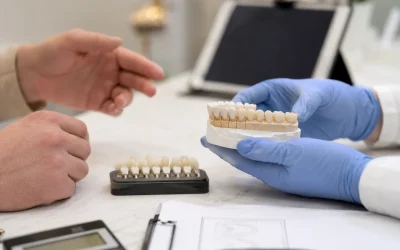
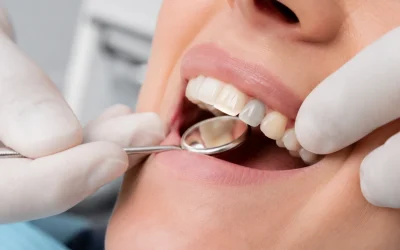
Zirconia dental crowns have become one of the most popular choices in restorative dentistry thanks to their unmatched durability, biocompatibility, and natural appearance. Whether you’re exploring options for a damaged tooth or simply comparing crown materials, understanding what a zirconia crown is and how it works can help you make an informed decision. In this comprehensive guide, we’ll cover everything from types and materials to preparation, cost, and long-term care. Whether you’re considering your first crown or replacing an old one, here’s everything you need to know about this long-lasting solution.
What Is a Zirconia Crown?
A zirconia crown, also known as a zirconia dental crown, is a type of dental restoration made from zirconium dioxide, a highly durable ceramic material. These crowns are used to cover and protect damaged or weakened teeth, restoring both their function and appearance. Known for their exceptional strength, zirconia crowns are ideal for patients who need a long-lasting solution that can withstand the pressure of chewing and grinding.
Unlike traditional metal or porcelain crowns, zirconia dental crowns are biocompatible, meaning they are less likely to cause allergic reactions or irritation. Their smooth surface also helps minimize plaque accumulation, contributing to better gum health over time.
What Are Zirconia Crowns Made Of?
Zirconia crowns are made from zirconium dioxide, a white powdered material that belongs to the same family as titanium. This material is known for its exceptional durability and is used in a wide range of medical applications, including joint replacements and prosthetics. In dentistry, zirconia is prized for being metal-free, biocompatible, and extremely resistant to wear and fracture.
There are different types of zirconia used for crowns, such as monolithic zirconia (solid, more opaque, used for back teeth) and layered zirconia (coated with porcelain for a more natural look, ideal for front teeth). Some practices may also use cubic zirconia dental crowns, which offer enhanced translucency for superior aesthetics. Thanks to advanced CAD/CAM technology, zirconia can be milled with high precision, resulting in a snug, customized fit.
Why Are Zirconia Dental Crowns So Popular?
Zirconia dental crowns have become a go-to option for both general and cosmetic dentistry. Their combination of durability and natural aesthetics makes them ideal for patients who want a long-lasting restoration without compromising their smile.
Here are some of the top reasons for their popularity:
- Minimal tooth preparation: They require less tooth reduction compared to metal or porcelain-fused-to-metal (PFM) crowns, preserving more of the healthy tooth structure.
- Biocompatibility: Zirconia is well-tolerated by the body, making allergic reactions or gum irritation extremely rare.
- Excellent aesthetics: Especially in layered zirconia crown teeth, the material can be color-matched to your natural teeth.
- Stain resistance: They don’t discolor easily from coffee, tea, or smoking.
- Single-visit options: Using CAD/CAM systems, some dental clinics can offer same-day zirconia tooth crown placement.
When Is a Zirconia Crown Recommended?
Dentists typically recommend a zirconia dental crown in several clinical situations where both durability and aesthetics are essential. This type of crown is often chosen over porcelain-fused-to-metal (PFM) or all-ceramic options due to its strength, longevity, and biocompatibility.
You might need a zirconia tooth crown in the following cases:
- When a tooth is severely decayed, cracked, or weakened: A zirconia crown restores the integrity and function of a tooth that can no longer hold a filling or withstand normal chewing pressure.
- After a root canal treatment: Post-endodontic teeth become brittle and are prone to fracture. Covering them with a zirconia dental crown provides long-term protection.
- To replace a large filling: When most of the tooth structure is gone, a crown offers better support and coverage than repeated fillings.
- As the final restoration on a dental implant: Zirconia crowns are frequently used as implant-supported crowns because they are strong and aesthetically pleasing.
- To improve the appearance of misshapen, worn-down, or discolored teeth: Especially in anterior (front) teeth, layered zirconia crowns can offer a lifelike appearance.
In cases where multiple teeth require restoration, dentists may recommend zirconia crowns for back molars, where durability is more important than translucency, or for zirconia crown teeth that are highly visible, using more aesthetic materials layered with porcelain.
Special Considerations
Because of their superior resistance to wear and pressure, zirconia crowns are especially recommended for:
- Patients with bruxism (teeth grinding or jaw clenching)
- Individuals with metal allergies or sensitivity
- People seeking metal-free, holistic dental treatments
- Cases where long-term reliability is a priority
Compared to other restorative options, a zirconia tooth crown offers a balance between strength and esthetics, making it a popular solution across general, restorative, and cosmetic dentistry.

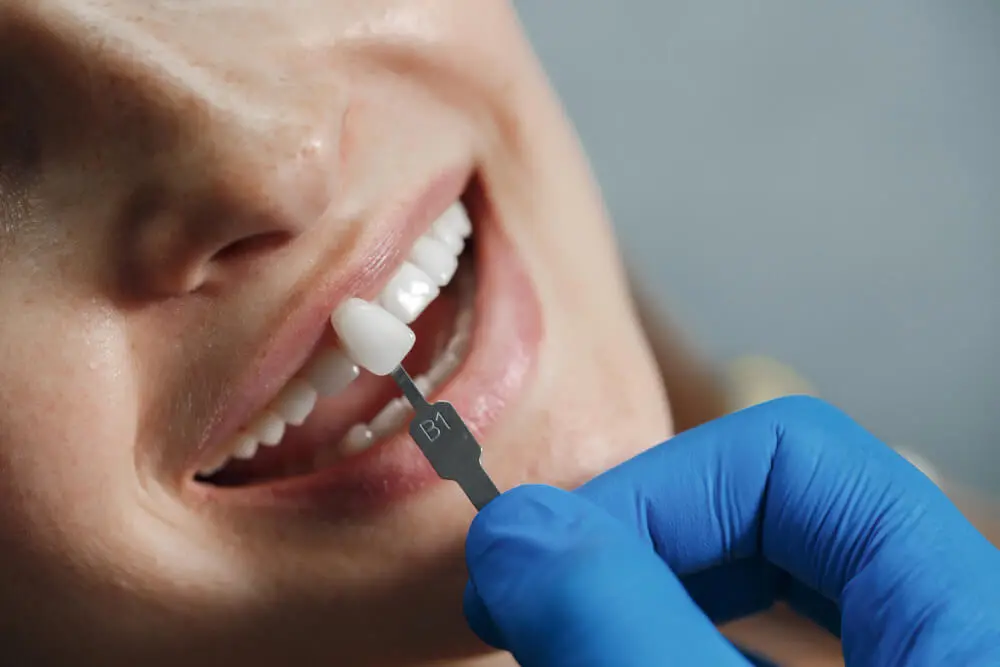
Restore Strength and Beauty with a Zirconia Dental Crown!
Looking for a durable, natural-looking solution for a damaged tooth? Zirconia dental crowns offer superior strength, biocompatibility, and aesthetics—all in one treatment. Let our experts help you smile with confidence!
Book an appointmentTypes of Zirconia Crowns and Materials
Not all zirconia dental crowns are created equal. While all are made from zirconium dioxide, advancements in dental materials have led to different types of zirconia formulations—each with distinct properties suited for specific clinical needs. Understanding the available options can help both patients and dentists make the best restorative choice.
1. Monolithic Zirconia Crowns (Full-Contour Zirconia)
Monolithic zirconia crowns, also referred to as full zirconia crowns, are milled from a single, solid block of zirconia. These crowns are known for their exceptional strength and durability, making them ideal for:
- Posterior restorations (molars and premolars)
- Patients with bruxism or heavy bite forces
- Implant-supported restorations requiring high load resistance
While monolithic zirconia crowns are less translucent than layered options, newer generations offer improved esthetics and smoother finishes. These crowns are a preferred choice when functionality outweighs cosmetic priority.
2. Layered Zirconia Crowns
Layered zirconia crowns combine the strength of a zirconia core with the beauty of a porcelain overlay. This design provides enhanced translucency and a natural tooth-like appearance, making them ideal for:
- Front teeth restorations
- Smile makeovers
- Cosmetically sensitive areas
The porcelain layering adds esthetic depth but may slightly reduce fracture resistance compared to full zirconia. Proper occlusal design and patient selection are key to their long-term success.
3. Cubic Zirconia Crowns
A more recent innovation, cubic zirconia dental crowns use a modified crystal structure to increase translucency and improve esthetics. This material mimics the natural light-reflecting properties of enamel more closely than conventional zirconia.
Although slightly less strong than traditional zirconia, cubic zirconia still offers excellent durability and is becoming increasingly popular for both anterior and posterior teeth, especially in single-unit restorations.
4. High-Translucent and Multi-Layered Zirconia Options
Modern high-translucent zirconia materials are engineered for superior esthetics while maintaining adequate strength for most clinical cases. Some options come in pre-shaded or multi-layered blocks, which replicate the gradient of natural teeth (from dentin to enamel) without the need for manual layering.
These crowns offer:
- Natural color transitions
- Reduced lab processing time
- Better integration with surrounding dentition
They are ideal for patients who desire a balance between functionality and cosmetic appeal.
Choosing the Right Zirconia Crown
The best zirconia material depends on various factors:
| Factor | Best Choice |
|---|---|
| Back molars / grinding | Monolithic zirconia crown |
| Front teeth / smile zone | Layered or cubic zirconia crown |
| Implant restorations | Full zirconia or high-strength zirconia |
| High esthetic demand | Cubic or multi-layered zirconia |
A dental professional will evaluate your bite force, location of the tooth, esthetic needs, and oral health before recommending the ideal crown type.
Pros and Cons of Zirconia Crowns
Like any dental restoration, zirconia dental crowns come with both advantages and potential drawbacks. While they’re one of the most advanced options available today, understanding the pros and cons of zirconia crowns can help you decide if they’re right for your specific needs.
Advantages of Zirconia Crowns
- Exceptional Strength and Durability: Zirconia is one of the strongest dental materials available, making these crowns ideal for back teeth or patients who grind their teeth (bruxism). They’re highly resistant to fractures and wear.
- Biocompatibility: Being metal-free and non-reactive, zirconia crowns are extremely well-tolerated by the body. They rarely cause allergic reactions, making them a safer alternative for sensitive patients.
- Minimal Tooth Reduction Required: Because zirconia is so strong even in thin layers, less of your natural tooth needs to be shaved down during preparation compared to other types of crowns.
- Stain and Corrosion Resistance: Zirconia does not discolor over time and is resistant to acids and other corrosive elements in the mouth. This results in a long-lasting, aesthetically stable restoration.
- Versatile Use Cases: Zirconia crowns are suitable for a wide range of treatments, including single crowns, bridges, and implant-supported restorations.
- Improved Aesthetics in Layered and Cubic Forms: Newer types of zirconia offer improved translucency, which allows for more natural-looking results, especially in the anterior (front) teeth.
Disadvantages of Zirconia Crowns
- Less Translucent Than Porcelain (in Monolithic Form): While strong, full zirconia crowns can appear more opaque than natural teeth, especially if not layered or shaded properly. This can be a drawback in high-aesthetic zones.
- Challenging to Bond Without Proper Technique: Bonding zirconia crowns requires specialized primers and cements. Improper bonding techniques can affect the crown’s retention or cause early failure.
- Wear on Opposing Teeth: In some cases, particularly with unpolished or poorly adjusted zirconia, the material can be abrasive and cause wear on the opposing natural teeth over time.
- Cost: Zirconia crowns cost more than traditional materials like metal or composite, and not all insurance plans cover them fully.
- Complex Adjustments or Repairs: Zirconia is so strong that adjusting or repairing it after cementation can be difficult. Often, if a crown chips or needs major modification, it must be completely replaced.
Summary Table: Zirconia Dental Crown Pros and Cons
| Pros | Cons |
|---|---|
| High strength and durability | Less translucent (in full-contour crowns) |
| Biocompatible and metal-free | Requires precise bonding technique |
| Minimal tooth reduction | Can wear opposing enamel if unpolished |
| Resistant to stains and corrosion | Higher cost compared to some alternatives |
| Versatile for various dental uses | Complex to repair or adjust post-placement |
For many patients, the advantages of zirconia crowns outweigh the downsides—especially when long-term performance, safety, and durability are the top priorities. However, discussing your case with a trusted dentist will ensure that zirconia is the best material for your specific situation.
Zirconia vs. Other Crown Types: How Do They Compare?
When choosing a dental crown, patients often ask how zirconia tooth crown compare to other popular materials like porcelain, ceramic, and metal-based crowns. While each material has its own advantages, zirconia dental crowns stand out for their balance of strength, biocompatibility, and aesthetics.
Let’s break down how zirconia measures up:
Zirconia vs. Porcelain Crowns
| Feature | Zirconia Crowns | Porcelain Crowns |
|---|---|---|
| Durability | Extremely strong; fracture-resistant | More brittle; prone to chipping |
| Biocompatibility | High; metal-free and non-reactive | Moderate; may cause issues if fused to metal |
| Esthetics | Good (especially layered or cubic zirconia) | Excellent translucency for front teeth |
| Longevity | 10–15+ years | 5–10 years (depending on placement and wear) |
| Tooth reduction | Minimal (especially for monolithic) | Moderate |
- Verdict: Porcelain crowns may offer slightly better translucency, but zirconia tooth crown are significantly stronger and longer-lasting, especially in molars or high-stress areas.
Zirconia vs. Ceramic Crowns (e.max)
Ceramic crowns, such as lithium disilicate (e.max), are another highly aesthetic option, often used in anterior restorations.
| Feature | Zirconia Crown | Ceramic (e.max) Crown |
|---|---|---|
| Strength | 900–1200 MPa | 400–500 MPa |
| Esthetics | Very good with layered or cubic types | Superior translucency |
| Ideal use | Posterior teeth, bruxism cases | Front teeth, high esthetic areas |
- Verdict: Zirconia crowns outperform ceramic crowns in strength and fracture resistance, making them a better option for posterior teeth or patients with a strong bite. Ceramic crowns may be better suited for highly visible front teeth in low-pressure zones.
Zirconia vs. Metal-Based Crowns (PFM)
Porcelain-fused-to-metal (PFM) crowns used to be the gold standard, but they come with limitations:
| Feature | Zirconia Crown | PFM Crown |
|---|---|---|
| Metal-free | Yes | No (metal substructure) |
| Gum response | Excellent | Possible irritation or gum discoloration |
| Esthetics | High | Lower; possible metal line at gum margin |
| Allergic reactions | Unlikely | Possible (nickel sensitivity) |
- Verdict: Zirconia crowns are more modern and biologically friendly, avoiding the drawbacks of metal-based restorations while providing equal or greater strength.
So, Which Crown Type Is Right for You?
The ideal material depends on several factors:
- Front vs. back tooth
- Aesthetic goals
- Bite strength
- Sensitivity or allergies
- Budget and insurance coverage
However, for patients seeking a durable, metal-free, and aesthetic solution, zirconia dental crowns are often the best all-around choice.
Ready to Experience the Benefits of a Zirconia Dental Crown?
Don’t wait to protect and restore your smile with a long-lasting solution. Our zirconia dental crowns are crafted for strength, precision, and natural beauty. Trusted by patients who value quality and results.
Book an appointmentHow Are Zirconia Crowns Prepared and Bonded?
The process of placing a zirconia dental crown involves several precise steps to ensure a perfect fit, strong bond, and long-lasting results. Although the workflow can vary slightly depending on whether the procedure is done traditionally or via same-day CAD/CAM systems, the core phases remain consistent.
Step 1: Initial Consultation and Evaluation
The dentist will first evaluate whether a zirconia tooth crown is the most appropriate solution. This decision is based on:
- The extent of tooth damage or decay
- The location of the tooth (anterior vs. posterior)
- The patient’s bite, esthetic goals, and medical history
Digital X-rays and intraoral scans may be taken to plan the ideal crown design.
Step 2: Tooth Preparation (Zirconia Crown Prep)
In this phase, the dentist shapes the tooth to accommodate the crown. Zirconia crown prep typically requires:
- Minimal tooth reduction, especially compared to PFM or full ceramic options
- Careful contouring to maintain enough healthy structure
- Smoothing of the margins for optimal fit and retention
Thanks to zirconia’s strength, crowns can be made thinner, allowing for more conservative tooth preparation.
Step 3: Digital or Physical Impressions
Once the tooth is prepared:
- A digital scan is taken (in modern practices with CAD/CAM technology), or
- A traditional mold impression is made using dental putty
This data is sent to a lab—or processed on-site—for the fabrication of the custom crown.
Step 4: Crown Fabrication
Depending on the approach:
- Same-day zirconia tooth crown may be milled in-office within hours using CAD/CAM systems
- For lab-fabricated crowns, the process takes 7–10 days and includes quality checks, shading, and contouring
The crown is designed to match the patient’s bite, shape, and adjacent teeth.
Step 5: Bonding Zirconia Crowns
Once the crown is ready, the bonding process begins:
- The crown’s inner surface is cleaned and treated (often with sandblasting or primer for better adhesion)
- The natural tooth is etched or primed depending on the bonding agent used
- A resin-based cement is applied for strong adhesion
- The crown is seated and adjusted for perfect fit
- Excess cement is removed, and the bond is cured using a dental curing light
Bonding zirconia crowns can be more technique-sensitive than bonding ceramics, which is why specialized primers or cements designed for zirconia are often used.
Final Adjustments and Bite Check
After placement, the dentist checks:
- Occlusion (bite alignment)
- Interproximal contacts (how the crown fits between adjacent teeth)
- Gum response and comfort
Minor adjustments can be made chairside. Patients typically adapt within a few days.
Total Procedure Time
- Same-day crowns: Completed in a single visit (2–3 hours total)
- Traditional crowns: 2 visits over 1–2 weeks
Insurance, Dental Codes, and Cost of Zirconia Crowns
One of the most common concerns patients have about zirconia dental crowns is their cost and whether insurance will cover the procedure. Understanding the financial aspect is key to making an informed treatment decision, especially when comparing crown materials and providers.
How Much Does a Zirconia Crown Cost?
The Zirconia Crown cost can vary significantly depending on several factors:
| Factor | Impact on Cost |
|---|---|
| Location of the dental clinic | Urban practices may charge more |
| Whether CAD/CAM technology is used | Same-day crowns can reduce lab costs |
| Type of zirconia used (monolithic, layered) | Layered or cubic zirconia may cost more |
| Dentist’s experience and credentials | Specialists or cosmetic dentists may charge premium fees |
| Insurance coverage | Can reduce out-of-pocket expenses |
On average, a zirconia dental crown price in the U.S. ranges from:
- $900 to $2,500 per tooth without insurance
- $300 to $800 out-of-pocket with dental insurance
Does Dental Insurance Cover Zirconia Crowns?
In many cases, dental insurance will cover part or most of the cost of a zirconia tooth crown, especially if it’s considered medically necessary (e.g., after a root canal or due to tooth fracture). However, policies may:
- Only cover basic crown materials
- Require prior authorization
- Have annual limits or waiting periods
It’s important to ask your provider if zirconia is considered a standard or premium material under your plan.
Pro tip: Some insurers may cover a basic crown amount, and the patient pays the upgrade fee for zirconia.
What Is the Dental Code for Zirconia Crowns?
In the U.S., the CDT (Current Dental Terminology) code used for a zirconia crown is:
- D2740 – Crown, porcelain/ceramic substrate
Even though zirconia is technically not porcelain, this CDT code is generally used for all-ceramic crowns, including monolithic zirconia, layered zirconia, and cubic zirconia restorations.
Be sure your dentist uses this code when submitting insurance claims to avoid confusion or denial.
Ready to Restore Your Smile with a Zirconia Dental Crown?
If you’re considering a zirconia dental crown for durability, aesthetics, or long-term oral health, our experienced team at Smiles of Boca is here to help. We use cutting-edge materials and precision techniques to deliver natural-looking, long-lasting results.
Whether you need a single crown, an implant-supported restoration, or a full smile makeover, we’ll guide you every step of the way.