Porcelain crowns are a cornerstone of modern restorative dentistry, offering a seamless blend of durability, aesthetics, and functionality. But exactly what is a porcelain crown, and why is it so widely recommended by dentists? In this guide, we’ll explore the definition, benefits, and use cases of porcelain crowns, so you can make confident, informed decisions about your dental care.
What Is a Porcelain Crown?
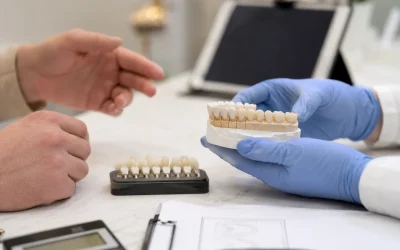
If you’re asking what is a porcelain crown, the answer lies in its structure and purpose. A porcelain crown is a tooth-shaped cap made entirely of high-grade ceramic material that is custom-designed to fit over a damaged or decayed tooth. Its primary role is to restore the tooth’s original shape, strength, and appearance.
Unlike metal or resin crowns, porcelain crowns are especially favored for their ability to mimic the natural color and translucency of real teeth. This makes them ideal for restoring front teeth where appearance matters most.
Key Benefits of Porcelain Crowns
Now that you understand what is a porcelain crown, let’s dive into why so many patients and dentists choose this restorative option:
- Natural-Looking Results: Porcelain crowns reflect light similarly to natural enamel, making them virtually indistinguishable from your other teeth. This makes them perfect for visible areas of the mouth.
- Strength and Longevity: Despite their aesthetic appeal, porcelain crowns are impressively durable. When properly cared for, they can last 10-15 years or even longer, making them a sound investment in your oral health.
- Hypoallergenic and Biocompatible: Porcelain is a biocompatible material, meaning it’s safe for people with metal sensitivities or allergies. This reduces the risk of irritation or adverse reactions.
- Restores Full Functionality: In addition to enhancing aesthetics, porcelain crowns restore full functionality to compromised teeth, allowing you to bite, chew, and speak comfortably.
When Is a Porcelain Crown Needed?
Understanding what is a porcelain crown also means recognizing when it’s the best solution. Here are some of the most common scenarios:
- Severe Tooth Decay or Damage: If a tooth is too weakened or broken to support a filling, a porcelain crown provides complete coverage and structural support.
- After Root Canal Treatment: Teeth that have undergone root canals often become brittle. A porcelain crown protects the treated tooth and restores its strength.
- Cosmetic Enhancements: Porcelain crowns can be used to improve the appearance of discolored, misshapen, or uneven teeth.
- Replacing Large Fillings: When an old filling fails or takes up too much of the tooth structure, a crown may be the better long-term option.
The Porcelain Crown Procedure: What to Expect
Your journey doesn’t end at learning what is a porcelain crown; understanding the treatment process is just as important.
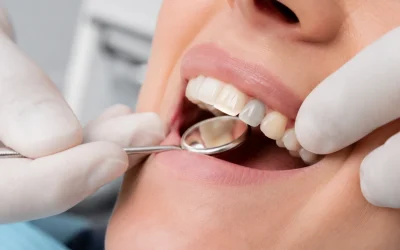
- Step 1, Consultation and Diagnosis: Your dentist will conduct a full examination and may take X-rays to assess the condition of the tooth and confirm that a porcelain crown is appropriate.
- Step 2, Tooth Preparation: The affected tooth is gently reshaped to make space for the crown. This ensures a proper fit without altering your bite.
- Step 3, Impressions and Temporary Crown: A mold of your teeth is taken to craft the final crown. Meanwhile, a temporary crown is placed to protect the tooth.
- Step 4, Final Crown Placement: Once your permanent crown is ready, it is adjusted for fit and color, then permanently bonded to your tooth using dental cement.
Porcelain Crowns vs. Other Options
If you’re still wondering what is a porcelain crown compared to other restorations, here’s how it stacks up:
- Porcelain Crowns vs. Veneers: Veneers only cover the front surface of teeth and are used mainly for cosmetic corrections. Crowns, on the other hand, encase the entire tooth, providing both cosmetic and functional benefits.
- Porcelain Crowns vs. Metal Crowns: While metal crowns are stronger, they lack the aesthetic appeal of porcelain. For patients prioritizing appearance especially for front teeth porcelain crowns are the superior option.
- Porcelain Crowns vs. Inlays/Onlays: Inlays and onlays are partial restorations. Porcelain crowns are full-coverage solutions ideal for more severe damage or decay.
How to Care for a Porcelain Crown
Knowing what is a porcelain crown includes learning how to care for one. Good maintenance extends the life of your crown:
- Brush and Floss Daily: Maintain excellent oral hygiene to prevent decay near the crown.
- Avoid Hard Foods: Reduce the risk of cracks or chips by avoiding ice, hard candies, and similar foods.
- Regular Dental Visits: Routine check-ups ensure your crown and surrounding teeth stay in top condition.
A Smart Solution for a Stronger Smile
So, what is a porcelain crown really? It’s a powerful blend of form and function—a custom-made restoration that strengthens damaged teeth while enhancing your natural smile. Whether you’re recovering from dental trauma, undergoing a root canal, or looking for a cosmetic boost, porcelain crowns offer a long-lasting, beautiful solution.
At Smiles of Boca, our experienced dental team specializes in high-quality porcelain crowns tailored to your unique smile. Schedule a consultation today to learn if this versatile restoration is right for you.