Choosing a top rated dental clinic for veneers in Boca Raton requires selecting a practice that offers specialized porcelain, composite, or Lumineers treatments with proven long-term esthetic results. Most local clinics provide customized plans starting from single-tooth enhancements to full-arch restorations, depending on your bone structure and material choice. In this guide, you will learn how to compare veneer types, understand realistic costs, and identify the best clinical standards for your smile makeover.
Finding a Top Rated Dental Clinic for Veneers in Boca Raton
When evaluating clinics, look beyond glossy before-and-after photos. A truly top rated clinic demonstrates consistent case planning, transparent pricing, a documented process for shade and shape selection, and strong patient reviews that reference predictable results and comfortable experiences. Local expertise matters too: practitioners familiar with Boca Raton’s community needs and reputable dental labs can deliver veneers that match your facial features and lifestyle.
For people who want to confirm where to receive care locally, it helps to read focused resources about local veneer options and locations to identify which practices prioritize cosmetic and restorative integration. For example, many patients appreciate specific guidance on where to get veneers in Boca Raton when narrowing their choices, as it highlights specialized treatment approaches and reputable local lab partnerships.
Key clinic qualities that define “top rated”
Clinical qualifications are essential: look for a dentist with advanced training in cosmetic dentistry and evidence of continuing education in veneers and esthetic bonding. Evaluate the clinic’s track record with multiple veneer types—porcelain veneers, composite veneers, Lumineers, and no‑prep veneers—and insist on seeing long‑term patient photos and hearing about follow‑up care. Similarly, the quality of the dental laboratory and communication between dentist and ceramist has a direct effect on color matching and natural translucency.
Patient experience also matters: an approachable team, clear explanations of risks and alternatives, and attention to comfort during procedures are basic expectations for a top rated office. A clinic that balances esthetics with bite function and oral health outcomes is more likely to provide lasting, reliable results.
Types of Veneers Offered and How They Differ
Veneers vary by material and preparation technique. Porcelain veneers are prized for durability and lifelike translucency. Composite veneers are more conservative and often more affordable, with repairs possible in a single visit. Lumineers and other no‑prep veneers emphasize minimal or no enamel removal, ideal for patients seeking reversible or less invasive changes. Each option has tradeoffs in longevity, color stability, and the need for future maintenance.
Porcelain vs Composite: material tradeoffs
Porcelain veneers resist staining and maintain their esthetic qualities longer than composite, usually lasting a decade or more with proper care. Composite veneers, placed directly or indirectly, are often chosen for smaller corrections or budgetary considerations. The clinic should guide patients through the differences and help define an individualized plan that aligns esthetic goals with oral health preservation.
No‑prep and Lumineers: when less is more
No‑prep veneers can be a great option for patients with small cosmetic concerns who want to avoid extensive tooth reduction. However, they are not suitable for everyone: bite, tooth position, and the amount of correction needed must be carefully evaluated. A conservative approach is beneficial when possible, but sometimes traditional porcelain veneers produce better long‑term alignment of form and function.
Veneers vs Other Restorative Options
Selecting veneers often involves comparing them to alternative treatments. For example, when teeth are missing or severely compromised, implants and prosthetic solutions may be more appropriate. When a patient wonders whether veneers are the right solution for multiple worn or missing teeth, the clinic should present evidence-based comparisons that weigh esthetic goals against structural needs.
Patients commonly ask how veneers differ from removable prosthetics and more extensive restorative routes; a practical comparison clarifies expectations and helps set realistic timelines for treatment. If you are evaluating the role of veneers compared to other prosthetic options, a direct discussion about indications and limitations—such as veneers vs dentures—helps prioritize long-term function and esthetics.
When veneers are the ideal choice
Veneers are ideal for patients with healthy underlying tooth structure that need color, shape, or minor alignment corrections. They are also a conservative way to achieve a dramatic cosmetic improvement without full crowns. The decision should be informed by diagnostic imaging, digital smile design, and sometimes a trial smile or mockup to preview outcomes before irreversible treatment begins.
| Aspect | Porcelain Veneers | Composite/Lumineers |
|---|---|---|
| Durability | High; 10+ years with care | Moderate; 5–10 years |
| Conservativeness | Requires enamel reduction | No‑prep or minimal prep options |
| Esthetic control | Excellent shade and translucency | Good; faster chairside adjustments |

Cosmetic Dentistry in Boca Raton
Get expert dental care and a personalized treatment plan designed for you.
How Smiles of Boca Delivers Results at a Top Rated Dental Clinic for Veneers in Boca Raton
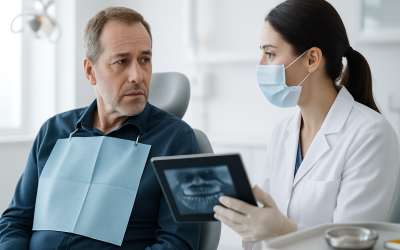
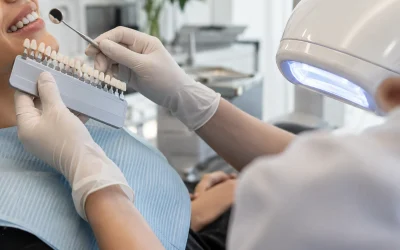
At Smiles of Boca the process begins with a thorough diagnostic workup: clinical photos, digital scans, and a detailed esthetic consultation where your smile goals are documented. Tooth proportions, lip dynamics, and facial symmetry guide the design. The team consults with skilled ceramists to craft restorations that mimic natural enamel properties and match adjacent teeth in hue and translucency.
Digital treatment planning improves predictability. For example, a patient seeking brighter teeth with minimal invasive work might first receive a diagnostic mockup to test the proposed shapes and shades. This trial allows for adjustments before any permanent changes, reducing the risk of surprises and improving patient satisfaction.
Step‑by‑Step: What to Expect from Consultation to Final Placement
The consultation establishes goals and clarifies expectations, followed by diagnostic imaging and smile design. For porcelain veneers, a conservative preparation visit takes impressions or scans; temporaries may be placed while the permanent veneers are crafted. On the final appointment, veneers are tried in, adjusted for fit and color, and bonded with modern adhesive systems that optimize longevity.
Timeline and possible variations
Most patients finish a typical porcelain veneer course within two to four appointments spanning two to four weeks, depending on lab turnaround. Composite veneer pathways can be completed in one visit for some cases. No‑prep options sometimes only require minimal appointments. Treatment timing varies by complexity: multiple adjacent veneers or bite corrections may extend the process but often result in more stable outcomes.
Maintenance, Longevity, and When to Replace Veneers
Veneer longevity depends on material, oral habits, and maintenance. Porcelain often endures longer but may eventually need replacement due to wear, marginal staining, or changes in surrounding teeth. Routine hygiene—twice‑daily brushing with a nonabrasive toothpaste, daily flossing, and regular dental exams—extends veneer life. Avoiding habits such as chewing ice and using teeth as tools reduces the chance of chipping.
If you notice chips, discoloration, or a change in fit, discuss options promptly; sometimes veneers can be repaired or replaced depending on the issue. For detailed guidance on replacement timing and best practices for worn restorations, clinics often provide focused resources explaining replacing porcelain veneers and professional considerations.
Practical examples of long‑term care
For instance, a patient who received porcelain veneers eight years ago maintained them with regular hygiene visits and minor polishing; when slight staining occurred at margins due to past smoking, the clinic recommended polishing and an updated shade communication with the lab to match replacements for two teeth, resulting in a cohesive full‑arch appearance. That case highlights why ongoing professional care and early intervention matter.
Cosmetic Dentistry in Boca Raton
Get expert dental care and a personalized treatment plan designed for you.
Personalized Treatment Planning and Digital Tools
Digital smile design and intraoral scanning are now standard tools for top rated veneer clinics. These systems allow clinicians to visualize changes, communicate precise instructions to the dental lab, and provide patients with a preview. When clinicians and lab technicians collaborate using digital models, the chances of perfect shade matching and anatomical fidelity increase markedly.
Smiles of Boca integrates digital workflows with classic esthetic principles to ensure veneers fit the patient’s facial proportions. For example, a patient with a high smile line who desires a natural look benefits from staged teeth lengthening planned digitally, ensuring gingival harmony and a balanced final result.
Cost Considerations and Insurance Realities
Veneers are typically an elective cosmetic investment; insurance rarely covers pure cosmetic work. Costs vary by material, number of teeth treated, and the need for preliminary restorative work. A transparent clinic provides a clear estimate, explains financing options if available, and outlines what is included—digital scans, temporaries, lab fees, and post‑placement checkups—so patients can plan appropriately.
Patients should request a written treatment plan that itemizes procedures. For instance, a smile makeover involving eight porcelain veneers will differ in cost and timeline from a two‑veneer correction or a composite bonding approach, and the clinic should be able to compare scenarios so patients understand both short‑term and long‑term financial implications.
Choosing the Right Provider: Questions to Ask
Before committing, ask about the dentist’s veneer case portfolio, how shade selection is managed, which lab is used, and what warranties or follow‑up care are provided. Inquire about the clinic’s approach to bite evaluation and how they handle minor orthodontic issues—sometimes combining Invisalign or clear aligners with veneers produces the best esthetic and functional results.
Also discuss realistic maintenance expectations and potential repair pathways. A high-quality practice will discuss alternatives, including when veneers may not be the best option, and will support decisions that preserve tooth structure and oral health.
Summary and Next Steps
If your search is for a Top Rated Dental Clinic for Veneers in Boca Raton, prioritize clinics that emphasize individualized planning, proven materials, and comprehensive aftercare. Schedule an initial consultation that includes a digital preview and a written treatment plan. Ask to see long‑term patient photos and plan for realistic maintenance to protect your investment and oral health.
To explore local options and read specific guidance on where to get veneers in Boca Raton, consider clinic resources that outline services, treatment approaches, and patient experiences to make an informed decision.