Teeth whitening for sensitive teeth is possible for many patients, but the method, strength, timing, and condition of your teeth all matter. Five options to consider include professionally supervised in-office whitening, custom take-home trays, lower-strength products, gentle surface-stain maintenance, and postponing whitening until the cause of sensitivity is evaluated.
Rather than pushing through discomfort, the goal should be to choose an approach that fits your oral health and whitening goals. Persistent, sharp, or unexplained sensitivity should be evaluated before cosmetic treatment begins.
Why teeth can feel sensitive during whitening
Peroxide-based whitening ingredients work by breaking down discoloration within the tooth. During treatment, some people experience temporary sensitivity to cold air, drinks, or other temperature changes.
How strongly you react can depend on the whitening method, exposure time, existing sensitivity, and the condition of your teeth and gums. Gum recession, exposed root surfaces, worn enamel, cavities, cracks, and older restorations may also contribute to discomfort. It is important to distinguish temporary generalized sensitivity from symptoms that may indicate another dental concern.
Consider arranging a dental evaluation before whitening if:
- One tooth hurts significantly more than the others.
- Pain occurs without a clear trigger.
- Sensitivity lingers after hot or cold foods.
- You experience pain when biting.
- There is swelling or significant gum discomfort.
- Sensitivity is frequent even when you are not whitening.
Whitening should be performed on an appropriate dental foundation rather than used while unexplained pain is being ignored.
Option 1: Professional Teeth Whitening With Clinical Supervision
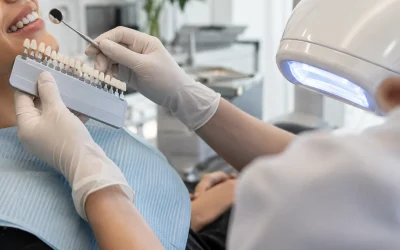
For patients concerned about sensitivity, professionally supervised whitening offers a higher level of clinical control. Before treatment, the dental team can evaluate your teeth, gums, restorations, recession, and existing sensitivity. The whitening approach can then be selected according to your starting shade, oral health, comfort, and desired result.
Patients considering professional teeth whitening in Boca Raton can discuss whether in-office treatment, professionally supervised take-home whitening, or another approach is appropriate for their smile.
In-office whitening may be particularly useful when you:
- Want a noticeable change on a shorter timeline.
- Prefer professional monitoring during treatment.
- Have experienced sensitivity with whitening before.
- Have visible restorations that need to be considered.
- Are unsure whether your discoloration will respond to whitening.
Professional treatment does not guarantee that sensitivity will not occur. Its advantage is that your dental history and response can be considered when planning and monitoring treatment.
How Supervision Can Help Manage Sensitivity
If you already have sensitive teeth, tell the dental team what normally triggers discomfort, such as cold drinks, sweets, brushing, or cold air.
Depending on your individual needs, the whitening protocol may be adjusted rather than treating every patient with the same approach. Professional evaluation can also help distinguish tooth sensitivity from gum irritation caused by whitening material contacting soft tissue.

Cosmetic Dentistry in Boca Raton
Get expert dental care and a personalized treatment plan designed for you.
Option 2: Custom take-home trays and gradual whitening
Custom trays from a dental office are often a practical middle ground for teeth whitening for sensitive teeth. Because the trays are made for your teeth, they can help distribute gel more evenly and reduce excess product contacting the gums. The treatment usually takes place over several applications, allowing you and your dentist to adjust frequency as your teeth respond.
Gradual whitening is valuable because shade improvement does not have to be rushed. A patient who feels sensitivity after every application may be advised to pause, use treatment on alternate days, shorten wear time, or complete a smaller number of applications before reassessment. A slower plan may be more comfortable than consecutive nights of whitening, particularly for people whose teeth already react to cold beverages.
Custom tray treatment also offers flexibility around important events. For example, if you have a wedding, photos, or a professional milestone coming up, begin early enough that you have time to pace treatment rather than compressing several applications into one week. A thoughtful schedule allows room for rest days and reduces the temptation to overuse whitening gel.
Option 3: Lower-Strength Whitening Products
Some patients with mild sensitivity and modest whitening goals may prefer lower-strength products. A lower concentration does not automatically eliminate sensitivity, because comfort is also affected by exposure time, treatment frequency, product placement, gum health, and the condition of the teeth. However, a gradual approach may be easier for some patients to tolerate.
Over-the-counter strips, pens, and trays can also produce gradual improvement when used appropriately. The important distinction is that these products are intended for independent use and do not provide the same individualized fit or clinical assessment as professionally supervised treatment.
Follow product instructions carefully and avoid:
- Continuing despite significant or persistent discomfort.
- Wearing whitening products longer than directed.
- Increasing the amount of gel to accelerate results.
- Combining several whitening systems at once.
- Repeating treatment more frequently than recommended.
What Sensitive Teeth After Whitening May Mean
Sensitive teeth after whitening do not necessarily indicate permanent damage. Temporary sensitivity can occur, particularly when treatment is more intensive or several sensitivity triggers are present at once. However, discomfort should not simply be treated as proof that whitening is “working.”
If sensitivity develops, pause according to your product or dentist’s instructions and avoid additional triggers when possible. Persistent symptoms, pain focused on one tooth, or sensitivity that does not settle should be professionally evaluated before treatment continues.
| Whitening option | Best fit | Sensitivity-conscious approach |
|---|---|---|
| Professional in-office whitening | Patients wanting closer clinical supervision or faster treatment | Treatment can be selected and monitored according to individual needs |
| Custom take-home trays | Patients who prefer gradual whitening with professional guidance | Schedule and frequency can be adjusted when appropriate |
| Lower-strength products | Mild staining and modest whitening goals | Follow directions carefully and avoid combining products |
| Whitening toothpaste | Surface-stain maintenance | Choose a gentle product and avoid aggressive brushing |
| Postponing whitening | Unexplained or significant sensitivity | Identify and address the cause before cosmetic treatment |
Option 4: Gentle Whitening Toothpaste for Surface Stains
Whitening toothpaste serves a different purpose from peroxide-based professional or take-home whitening. It primarily helps manage external surface stains rather than substantially changing the underlying shade of the teeth. For someone concerned about sensitivity who only wants mild maintenance, it can be a more conservative option.
However, not every whitening toothpaste is ideal for sensitive teeth. Some formulas rely more heavily on abrasive ingredients, and aggressive brushing can contribute to enamel wear or gum irritation.
If sensitivity is already a concern:
- Ask your dentist which toothpaste is appropriate.
- Use a soft-bristled toothbrush.
- Brush with gentle pressure.
- Avoid assuming that harder scrubbing will create a whiter result.
A professional cleaning may also improve the appearance of teeth by removing plaque, tartar, and some external staining before you decide whether bleaching is necessary. Smiles of Boca provides professional dental cleaning in Boca Raton for preventive care and removal of deposits that daily brushing cannot fully address.
A cleaning and whitening are different procedures, but evaluating surface stains first can help clarify what type of cosmetic improvement you actually need.
Option 5: Postpone Whitening and Address the Cause of Sensitivity First
Sometimes the most appropriate teeth whitening option for sensitive teeth is to wait. Whitening does not treat cavities, cracks, gum inflammation, exposed roots, damaged restorations, or other conditions that may be causing discomfort. Beginning cosmetic treatment before addressing these concerns may make symptoms more noticeable without resolving their source.
Whitening may need to be postponed when you have:
- Untreated cavities.
- Active tooth pain.
- Significant gum inflammation.
- Cracked or damaged teeth.
- Loose or failing restorations.
- Severe enamel wear or erosion.
- Recent dental treatment that requires additional healing or monitoring.
Consider a patient who experiences sharp cold sensitivity in one specific tooth. Starting a whitening routine before evaluating that symptom could complicate the situation because the discomfort may be related to an underlying dental issue rather than ordinary whitening sensitivity. Addressing the cause first allows the whitening decision to be made with better information.
When to Ask for a Dental Evaluation
- Delay whitening if sensitivity is severe, keeps you awake, lingers after hot or cold foods, or is focused on one tooth.
- Wait if gums bleed easily, look swollen, or feel sore, since gum health should be stabilized before cosmetic treatment.
- Ask about timing after restorations, orthodontic changes, or dental procedures, because teeth and gums may need time to recover.
- Remember that crowns, veneers, bonding, and fillings do not whiten like natural enamel, so color planning should happen before treatment.
Cosmetic Dentistry in Boca Raton
Get expert dental care and a personalized treatment plan designed for you.
Desensitizing Strategies Before, During, and After Whitening
Managing sensitivity is not only about choosing a whitening product. The routine surrounding treatment can also affect comfort.
Depending on your dental history, your dentist may recommend a toothpaste or other desensitizing strategy before or during whitening. Follow the recommended schedule rather than frequently switching products or adding several sensitivity treatments at once.
Helpful habits may include:
- Using a soft-bristled toothbrush.
- Avoiding aggressive brushing.
- Choosing lukewarm foods and drinks when cold is a trigger.
- Limiting acidic foods and beverages around treatment.
- Spacing whitening applications when professionally advised.
- Pausing treatment rather than pushing through significant discomfort.
After whitening, your food and beverage choices can also affect comfort and staining. The Smiles of Boca guide to what to eat after teeth whitening provides practical ideas for planning meals and avoiding strongly pigmented foods immediately after treatment.
If your teeth become uncomfortable during a whitening course, do not assume you need to complete every scheduled application before asking for advice. A more gradual plan may be appropriate.
How to Choose Teeth Whitening for Sensitive Teeth
The right whitening method depends on more than sensitivity alone.
Your dentist may consider:
- Your natural tooth shade.
- Type and severity of staining.
- History of sensitivity.
- Gum health and recession.
- Existing crowns, veneers, bonding, or fillings.
- Desired level of whitening.
- Treatment timeline.
- Previous whitening experiences.
Yellow or age-related discoloration may respond differently from a tooth that has darkened following trauma or other internal changes. Existing restorations also require shade planning because whitening products primarily affect natural tooth structure.
If you are considering supervised treatment, Smiles of Boca’s guide on where to get professional teeth whitening in Boca Raton explains what to consider when selecting a professional whitening provider and what to expect from the treatment process.
The goal should not necessarily be the brightest possible shade. For patients with sensitive teeth, a comfortable and natural-looking improvement may be a better target than repeatedly increasing treatment intensity.
Choose a Whitening Plan That Prioritizes Comfort
Teeth whitening for sensitive teeth does not have to be an all-or-nothing decision. Professional whitening, custom trays, lower-strength products, gentle surface-stain maintenance, or delaying treatment can each make sense depending on your oral health and whitening goals.
If sensitivity is persistent, unusually strong, or concentrated in one tooth, have it evaluated before whitening. For patients in Boca Raton, Smiles of Boca can assess your teeth and gums, review your history of sensitivity, and discuss which whitening approach may be appropriate before treatment begins.