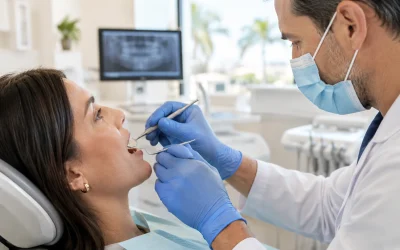
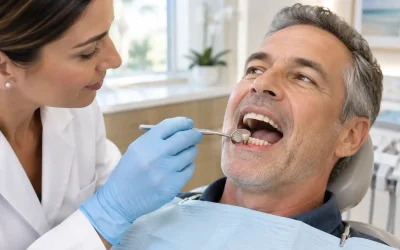
When you’re faced with the choice between saving a natural tooth or replacing it, the question of root canal vs implant becomes essential. Both treatments aim to restore function, esthetics, and comfort, but they follow different paths.
At Smiles of Boca, we want to give you the information you need to make a confident decision about your dental health. Let’s explore each treatment in detail, review their advantages and drawbacks, and clarify when one may be preferred over the other.
Understanding Root Canal Therapy
What Is a Root Canal?
A root canal is designed to save a natural tooth that has been severely damaged by decay or infection. The procedure involves removing the infected pulp inside the tooth, carefully cleaning the root canals, and then sealing them to prevent reinfection. At Smiles of Boca, our endodontic specialists use advanced techniques to ensure comfort and long-term success.
Advantages of Root Canal Therapy
- Preserves the natural tooth: Maintaining your own tooth helps preserve jawbone health and natural bite alignment.
- Cost-effective in the short term: A root canal is generally less expensive upfront than an implant.
- Quick treatment: Many cases are completed in one or two visits, meaning you can return quickly to your daily routine.
Potential Drawbacks
- Risk of reinfection: Although highly successful, a root canal tooth can occasionally require retreatment or further care.
- Weakened tooth structure: The treated tooth may become more brittle, which is why placing a protective crown is essential.
The Case for Dental Implants
What Is a Dental Implant?
Dental implants are a replacement option for teeth that cannot be saved. A titanium post is surgically inserted into the jawbone, serving as an artificial root. After a healing period where the implant integrates with the bone, a custom crown is placed on top to restore appearance and function.
Benefits of Dental Implants
- Durability and longevity: With proper care, implants can last decades, often a lifetime.
- Preserve oral health: Implants do not rely on adjacent teeth for support, protecting surrounding structures.
- Natural esthetics: Modern implants look and function like natural teeth, blending seamlessly with your smile.
Drawbacks to Consider
- Higher upfront cost: Implants require a greater initial investment compared to root canal therapy.
- Time commitment: Treatment can take several months, especially if bone grafting is needed.
- Surgical risks: As with any surgery, there is a small risk of infection or implant failure, though success rates are high with proper care.
Root Canal vs Implant: Key Differences
Extent of Damage
- Root canal: Recommended when the tooth structure is restorable and infection can be removed.
- Implant: Preferred when the tooth is beyond saving or fractured beyond repair.
Procedure Complexity and Timeline
- Root canal: Non-surgical, typically completed in 1–2 visits.
- Implant: Surgical procedure with healing phases; often requires multiple appointments over several months.
Longevity and Maintenance
- Root canal: Can last many years with proper care, though the tooth remains more vulnerable than a natural healthy tooth.
- Implant: Designed as a long-term solution, with very high success rates when well maintained.
Cost Considerations
- Root canal: Lower initial cost, but may need additional care (like retreatment or crown replacement) over time.
- Implant: Higher upfront investment, but may be more cost-effective long term if the natural tooth has a poor prognosis.
Lifestyle and Health Factors
- General health: Patients with certain conditions may not be ideal candidates for implant surgery, making root canal therapy a better option.
- Oral hygiene: Both treatments require diligent daily care; poor hygiene can compromise success in either case.
- Patient preference: Some patients value preserving their natural tooth whenever possible, while others prefer the durability and predictability of an implant.
Aftercare and Maintenance
Post-Root Canal Care
- Brush and floss daily with fluoride toothpaste.
- Place a crown when recommended to protect the treated tooth.
- Schedule regular checkups at Smiles of Boca to monitor health and prevent reinfection.
Post-Implant Care
- Maintain excellent oral hygiene to protect surrounding gum tissue.
- Attend regular professional cleanings to ensure the implant and crown remain in top condition.
- Avoid smoking and manage risk factors that can compromise healing or implant stability.
Making the Best Choice for Your Smile
Choosing between root canal vs implant depends on the condition of your tooth, your long-term goals, and your overall health. Both treatments are effective, but one may fit your needs better than the other.
At Smiles of Boca, our specialists evaluate every case with precision and care to recommend the best solution for you. Book your consultation today and discover whether a root canal or an implant is the right step toward restoring your smile.