When comparing professional teeth whitening vs at-home whitening, neither choice is automatically right for every smile. Professional care is generally faster, supervised, and more predictable, while over-the-counter products can be useful for gradual touch-ups, mild staining, and people who prefer a lower upfront cost. The best choice depends on your timeline, tooth sensitivity, existing dental work, and the kind of improvement you want to see. Read on to understand the practical differences before selecting a whitening approach.
1. Whitening strength and how results are created
The primary difference between professional teeth whitening vs at-home whitening is the concentration and delivery of the whitening agent. Most whitening systems use peroxide-based ingredients that break down stain molecules within enamel. Professional systems can use stronger formulas because a dental team evaluates your teeth and gums first, protects soft tissues, and guides the process. This allows treatment to be effective without treating whitening as a one-size-fits-all cosmetic step.
At-home options include strips, pens, toothpastes, rinses, and store-bought trays. Their formulas are usually lower in strength and designed for unsupervised use. That does not make them ineffective: consistent use may brighten mild yellowing from coffee, tea, red wine, or everyday aging. However, the lower concentration and less precise fit can make the outcome more gradual and less even, especially when stains are darker or more established.
Why product contact matters
Whitening strength is only part of the process. The whitening agent also needs appropriate contact with the visible tooth surfaces. Generic trays may move or fit unevenly, and strips may not cover curved teeth or teeth farther back in the smile as completely as a customized method. Dentist-provided trays are made to fit the individual patient and can offer more controlled gel placement when take-home whitening is recommended.
If you want professional guidance before selecting a method, teeth whitening in Boca Raton can begin with an evaluation of your oral health, discoloration, existing dental work, and whitening goals.
2. Professional Supervision Adds an Oral Health Check
Whitening is safest when the mouth is healthy enough for it. A dentist can identify issues that whitening products cannot solve, including untreated cavities, leaking fillings, gum inflammation, enamel wear, exposed roots, or tooth pain caused by another condition. Applying whitening gel over a problem tooth may make discomfort more noticeable and can delay care that should come first.
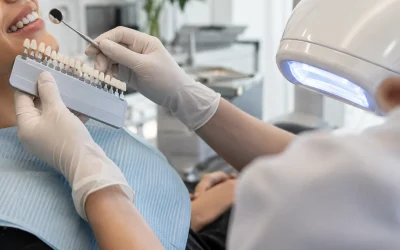
Professional whitening includes safeguards such as gum protection, shade evaluation, careful instructions, and adjustments when sensitivity is likely. A clinician can also help distinguish surface staining from internal discoloration. For example, a tooth that darkened after trauma may not respond like neighboring teeth with coffee stains. Knowing that difference prevents frustration and supports a treatment plan focused on long-term oral health rather than a quick cosmetic fix.
At-home products are generally safe when used exactly as directed by people with healthy teeth and gums. Problems often occur when instructions are stretched: using strips longer than recommended, repeating a course too soon, combining multiple products, or placing gel into poorly fitting trays. More product does not necessarily mean a whiter smile; it may simply mean more gum irritation or sensitivity.

Cosmetic Dentistry in Boca Raton
Get expert dental care and a personalized treatment plan designed for you.
3. In-Office Teeth Whitening Usually Works Faster
Speed is often one of the deciding factors for patients comparing whitening methods.In-office teeth whitening is designed to create a noticeable change during a professional appointment, although the amount of improvement varies according to the starting shade, type of staining, enamel, and individual response.
This can make professional treatment particularly attractive before:
- Weddings
- Reunions
- Professional photographs
- Vacations
- Interviews or presentations
- Other events with a specific deadline
At-home whitening usually requires more patience. Depending on the product and instructions, strips or other retail systems may require repeated applications over several days or weeks. Some users prefer this gradual approach because it gives them control over when to stop. The trade-off is greater dependence on consistent application and correct placement.
| Comparison point | Professional whitening | At-home products |
|---|---|---|
| Strength and control | Professionally selected and supervised treatment | Consumer formulations used independently |
| Speed | Often visible improvement in one appointment | Gradual improvement over repeated applications |
| Predictability | Treatment can be adjusted to the patient and stain type | Results depend heavily on product, placement, and consistency |
| Upfront cost | Generally higher | Generally lower |
| Best fit | Faster change, professional guidance, complex shade concerns | Mild staining, gradual brightening, maintenance |
The fastest treatment is not automatically the best choice. The objective should be to select an approach appropriate for your teeth rather than simply choosing the strongest available product.
4. Sensitivity Can Be Managed Differently
Temporary tooth sensitivity can occur with both professional and at-home whitening. Some patients notice brief sensitivity to cold air or drinks, and the intensity can vary based on the whitening method, exposure time, and existing dental conditions.
Professional treatment offers more control when sensitivity is already a concern. Depending on your needs, a dentist may adjust the whitening protocol, shorten exposure time, recommend desensitizing products, or pause treatment if necessary. Patients with gum recession, exposed roots, worn enamel, cracked teeth, or a history of sensitivity should discuss these concerns before whitening.
With at-home products, follow the instructions carefully and avoid combining multiple whitening methods to accelerate results. Stop treatment and seek a dental evaluation if sensitivity:
- Becomes significant or persistent
- Affects one tooth much more than the others
- Is accompanied by gum irritation or pain
If sensitivity is one reason you are considering supervised treatment, review where to get professional teeth whitening in Boca Raton and what to expect from a professional whitening appointment.
5. Predictability, shade matching, and existing dental work
Natural teeth can lighten, but crowns, bonding, fillings, and veneers do not whiten with peroxide. This is a crucial point when comparing professional teeth whitening vs at-home whitening. If a front crown or veneer already matches your teeth, whitening the surrounding enamel may create a color mismatch. A dentist can help plan the order of cosmetic treatment so your smile looks cohesive rather than patchy.
Professional treatment also provides a more reliable starting shade and endpoint discussion. Very bright is not always the same as naturally attractive. Factors such as skin tone, lip color, tooth shape, and the color of nearby restorations influence what looks balanced. A patient may prefer a bright but believable result over an opaque, artificial-looking shade.
Patients with cosmetic restorations should review guidance on teeth whitening for porcelain veneers before purchasing a whitening kit. The goal may be to brighten natural teeth around the veneers, polish away surface stains, or discuss replacement timing if the restorations no longer blend with the overall smile.
Whitening does not change every kind of discoloration
Yellowing from food and beverages often responds well. Gray tones related to trauma, certain medications, developmental changes, or deeper internal discoloration can be more complex. In those situations, whitening may still play a role, but other cosmetic or restorative options may be needed for a uniform outcome. An examination makes the plan more efficient and avoids repeated product purchases that do not address the true source of the color.
Cosmetic Dentistry in Boca Raton
Get expert dental care and a personalized treatment plan designed for you.
6. Maintenance Determines How Long Your Results Look Bright
Whitening is not permanent, regardless of where it is done. Teeth continue to encounter pigments from coffee, tea, cola, berries, tomato sauces, tobacco, and red wine. How long a result lasts depends largely on these habits, oral hygiene, and the original cause of discoloration. Professional whitening can give a stronger starting point, while at-home products may be helpful later for conservative maintenance when recommended.
Immediately after whitening, teeth can be more susceptible to picking up intense pigments. Choosing lighter-colored foods and drinks for a short period can support the initial result. For practical meal ideas and timing, review foods to eat after teeth whitening so you can plan without feeling restricted or guessing what is appropriate.
Daily habits matter more than harsh scrubbing. Brush twice daily with a soft toothbrush, clean between teeth, attend routine cleanings, and rinse with water after dark beverages when brushing is not possible. Avoid abrasive DIY methods such as lemon juice, charcoal powders, or aggressive baking soda use. They may roughen enamel or irritate gums, creating a surface that holds stains more easily over time.
7. Which Whitening Option Is Better for Your Goals?
There is no single winner in the professional teeth whitening vs at-home whitening comparison.
Professional treatment may be the better fit when you:
- Want a noticeable change on a shorter timeline
- Have moderate or more established staining
- Have a history of tooth sensitivity
- Have uneven tooth color
- Have crowns, veneers, bonding, or visible fillings
- Are unsure why one or more teeth appear darker
- Want your treatment professionally evaluated and monitored
At-home products may be reasonable when you have healthy teeth and gums, relatively mild staining, no urgent deadline, and are comfortable following the product instructions consistently. They can also have a role in maintenance when appropriate.
A balanced way to decide
Think about your goal in practical terms. If you want a small boost before a casual event and your teeth are healthy, an at-home product may fit your needs. If you want an even, visible change before an important milestone or are uncertain why your teeth look darker, professional guidance is usually the more dependable investment. A confident smile should feel comfortable, healthy, and aligned with your long-term dental goals.
Choose the Whitening Approach That Fits Your Smile
The professional teeth whitening vs at-home whitening decision should be based on your desired result, timeline, sensitivity, oral health, existing dental work, and willingness to maintain the outcome.
At-home whitening can be a practical choice for gradual improvement and mild staining. Professional whitening offers the advantages of dental evaluation, closer control, faster treatment, and a plan tailored to your individual smile.
If you are unsure which approach fits your goals, a professional evaluation at Smiles of Boca can help identify the type of discoloration, review existing restorations, and determine an appropriate whitening strategy before treatment begins.