A porcelain fused to metal crown is one of the most reliable solutions in modern dentistry, designed to restore the strength and natural look of your smile. By combining a durable metal core with lifelike porcelain, this crown offers a perfect blend of function and aesthetics, trusted by dentists and patients alike.
In this article, we’ll break down everything you need to know about the porcelain fused to metal crown, what it is, how it works, when it’s recommended, its pros and limitations, and how it compares to E.max and Zirconia crowns. Whether you’re exploring your options or preparing for treatment, this guide will help you make a confident and informed decision.
What Is a Porcelain Fused to Metal Crown?
A porcelain fused to metal crown is a full-coverage dental restoration used to protect and rebuild a tooth that has been significantly weakened by decay, fracture, or root canal treatment. It consists of a cast metal structure that fits over the prepared tooth, overlaid with layers of porcelain to replicate the appearance of natural enamel.
This dual-material design makes the crown strong enough to handle daily bite forces while maintaining a natural, tooth-colored finish. It is especially valued for its ability to offer both reliable function and aesthetic integration, blending well with neighboring teeth in both the front and back of the mouth.
How a Porcelain Fused to Metal Crown Is Made
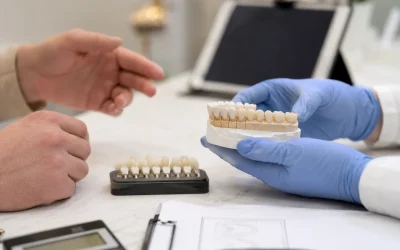
The process starts by reshaping the affected tooth to create room for the crown. An impression is then taken and sent to a dental lab, where technicians fabricate the metal base, commonly using high-strength alloys like nickel-chromium or noble metals. Over this base, dental porcelain is layered, shaped, and heat-fused to achieve a realistic finish.
Once ready, the crown is bonded to the tooth using dental cement. The inner metal layer ensures a secure fit and structural integrity, while the porcelain surface provides the desired color and contour, customized to match the surrounding teeth. This makes the porcelain fused to metal crown a time-tested solution for both durability and visual appeal.
Types of Metal Used in PFM Crowns
The strength and longevity of a porcelain-fused-to-metal crown largely depend on the type of metal used as its foundation. This substructure is typically crafted from one of three metal categories: base metals, noble metals, or high noble metals. Each offers different benefits in terms of biocompatibility, corrosion resistance, and long-term performance.
Dentists may choose between a crown porcelain fused to noble metal or a crown porcelain fused to high noble metal depending on the patient’s needs, budget, and sensitivity to certain alloys. While base metals like nickel-chromium are commonly used and cost-effective, noble and high noble metals provide superior clinical outcomes, especially in complex cases.
Why High Noble Metals Are Preferred in PFM Crowns
A porcelain fused to high noble metal crown contains at least 60% noble metals, often including gold, platinum, or palladium. These premium alloys are known for their exceptional biocompatibility, making them ideal for patients with metal sensitivities or concerns about allergic reactions.
High noble metals also offer superior bonding to porcelain, reducing the risk of chipping or separation over time. Their stability under temperature changes and corrosion resistance further enhance the long-term durability and precision fit of the crown. While they come at a higher cost, crowns porcelain fused to high noble metal are often recommended in complex restorative cases or when maximum longevity is desired.

Struggling with a Damaged Tooth? We’ve Got You Covered!
A long-lasting solution is just one appointment away. Discover how a porcelain fused to metal crown can restore your tooth and your peace of mind starting today.
Book an appointmentBenefits of a Porcelain Fused to Metal Crown
Beyond their mechanical strength and aesthetic versatility, porcelain fused to metal crowns offer additional clinical advantages that contribute to their continued relevance in modern dentistry. Below are some of the benefits not always considered at first glance:
Excellent Radiographic Visibility for Follow-Up
Thanks to their metal substructure, porcelain fused to metal crowns are highly visible in dental X-rays. This radiopacity makes it easier for dentists to assess the crown’s fit, detect decay under the restoration, or monitor bone levels around the tooth. A porcelain fused to metal crown radiograph often provides more diagnostic clarity than all-ceramic alternatives, improving long-term care.
Proven Clinical Success Over Decades
Unlike some newer materials with limited long-term data, porcelain fused to metal dental crowns have been used and studied for decades. Their reliability is well documented in general and specialist practices, offering peace of mind to patients and clinicians alike. Their performance remains consistent in a variety of clinical settings.
Strong Retention and Marginal Adaptation
The combination of metal and porcelain allows for precise shaping and optimal fit, especially at the crown margins. This promotes excellent retention and reduces the risk of leakage or recurrent decay, critical to the longevity of any dental restoration. Porcelain-fused-to-metal dental crowns consistently deliver accurate seating and sealing.
Cost-Effective Alternative to All-Ceramic Crowns
While all-ceramic restorations like E.max and Zirconia offer aesthetic advantages, they often come at a higher cost. Porcelain fused to metal crowns provide a more affordable solution without sacrificing core functionality. For patients prioritizing budget and durability, this balance can be an ideal compromise.
Limitations of a Porcelain Fused to Metal Crown
While porcelain fused to metal crowns are a dependable option in restorative dentistry, they are not without their limitations. Understanding these drawbacks is important for patients comparing treatment options, particularly when aesthetics, gum health, or long-term cosmetic outcomes are a top priority:
Risk of Metal Allergies in Sensitive Patients
Although rare, some patients may experience allergic reactions to the metal alloys used in certain porcelain fused metal crown formulations, especially those containing nickel. While noble or high noble metals reduce this risk, full-ceramic alternatives may be more suitable for patients with confirmed sensitivities.
Potential Wear on Opposing Teeth
The porcelain layer of porcelain-fused-to-metal crowns is harder than natural enamel, and in some cases, this can lead to accelerated wear on opposing natural teeth. This is particularly relevant in patients with uneven bite patterns or a history of bruxism. Monitoring and bite adjustments may be required over time.
Technique-Sensitive Cementation and Esthetics
Achieving an optimal aesthetic outcome with a porcelain fused metal crown requires meticulous technique during preparation, shading, and cementation. If not properly executed, these crowns may appear slightly opaque or mismatched in color, especially near the gumline or in high-smile-line patients.
Discover the Power of a Crown That Truly Lasts!
Upgrade your smile with a crown that combines metal-core strength and porcelain beauty. A porcelain fused to metal crown offers lasting support, natural shape, and a proven clinical track record.
Book an appointmentWhen Are Porcelain Fused to Metal Crowns Recommended?
Porcelain fused to metal crowns are recommended when a tooth needs structural support and an aesthetic restoration. They’re a versatile option for a wide range of clinical situations, from restoring individual teeth to supporting multi-unit bridges. Dentists often choose them for their durability, fit, and ability to blend with surrounding teeth:
For Back Teeth and Heavy Biting Pressure
Because of their strong metal core, porcelain-fused-to-metal crowns are ideal for molars and premolars that endure heavy chewing forces. The metal provides stability, while the porcelain offers a natural finish, making them a practical choice for patients who grind their teeth or require long-term strength in the back of the mouth.
For Front Teeth and Cosmetic Cases
While all-ceramic crowns are more translucent, a front tooth porcelain fused to metal crown can still be used when aesthetics matter, especially if the patient has limited space or needs added reinforcement. With proper placement and shading, they can blend well with the rest of the smile, particularly when gum recession or dark margins are not a concern.
In Multi-Unit Restorations and Dental Bridges
A porcelain fused to metal bridge uses two or more PFM crowns to support one or more artificial teeth (pontics). This type of bridge is commonly recommended for patients missing one or more teeth, offering a durable and fixed solution that restores function and appearance while distributing bite pressure evenly across the arch.
Comparison Between Porcelain Fused to Metal Crown and Other Crown Types
Choosing the right dental crown depends on multiple clinical and personal factors, including strength, biocompatibility, esthetics, and long-term performance. Below, we compare the porcelain fused metal crown with two of the most common all-ceramic alternatives: E.max and Zirconia, to help patients make an informed decision.
Porcelain Fused to Metal Crown vs E.max Crowns
| Feature | Porcelain Fused to Metal Crown | E.max Crown |
|---|---|---|
| Durability | High durability; metal substructure supports heavy force | Moderate; better for anterior or low-stress areas |
| Biocompatibility | Good, especially with noble metals; some may react to base metals | Excellent; fully biocompatible and metal-free |
| Esthetics | Natural look but can show gray margins over time | Superior esthetics; highly translucent and lifelike |
| Longevity | Proven success over decades of use | Good; less long-term data, but strong performance |
| Tooth Reduction | Moderate to significant | Moderate to significant |
E.max crowns are ideal for patients prioritizing esthetics in visible areas, especially front teeth. However, porcelain fused to metal crowns offer greater strength and durability, making them more versatile for a variety of cases, particularly in posterior restorations.
Porcelain Fused to Metal Crown vs Zirconia Crowns
| Feature | Porcelain Fused to Metal Crown | Zirconia Crown |
|---|---|---|
| Durability | Very durable; strong under biting pressure | Extremely durable; highest fracture resistance |
| Biocompatibility | Good with high noble metals; possible issues with base metals | Excellent; fully biocompatible and metal-free |
| Esthetics | Good, but less translucent; may show metal at gumline | Improved; still less translucent than E.max |
| Longevity | Long clinical track record | Promising, with strong emerging long-term data |
| Tooth Reduction | Moderate to significant | Minimal to moderate (depends on type of Zirconia) |
Zirconia crowns are ideal for patients needing extreme durability and high biocompatibility, especially in the posterior region. However, porcelain fused to metal crowns remain a cost-effective, proven solution with more flexible indications, particularly where function and esthetics matter.
¡Restore Your Smile with a Porcelain Fused to Metal Crown!
If you’re looking for a strong, lasting solution to restore your teeth, a porcelain fused to metal crown may be exactly what you need. At Smiles of Boca, our dental experts combine advanced techniques with personalized care to ensure your restoration not only functions properly but blends beautifully with your natural smile.
We’ll evaluate your dental needs, explain your options, and help you decide if this type of crown is the best fit or if another solution works better for your case. Don’t wait to reclaim your smile and confidence.