A brighter, more even smile can come from very different restorations, which is why porcelain crowns vs veneers is rarely a simple cosmetic decision. The right choice depends on what the tooth can safely support over time, how your bite loads that tooth, and how much healthy structure is available to bond or reinforce. This article compares crowns and veneers through a practical decision framework, focusing on indications, coverage, tooth reduction, longevity, repairability, and relative cost so you can understand which option tends to fit different clinical situations.
Porcelain Crowns vs Veneers: What Each Treatment Changes
Both options can look highly natural, but they solve different problems at the tooth level. When comparing porcelain veneers vs porcelain crowns, it helps to focus on coverage, how much tooth structure is involved, and what you need the restoration to withstand.
| Decision factor | Porcelain crowns | Porcelain veneers |
|---|---|---|
| Tooth coverage | Wraps the entire tooth | Covers the front surface only |
| Primary purpose | Restores strength and function, while improving appearance | Enhances appearance when the underlying tooth is stable |
| Tooth reduction | More reduction to create space and support | More conservative when enamel is healthy |
| Best fit for | Heavily restored, cracked, weakened, or extensively decayed teeth | Discoloration, shape concerns, small chips, minor spacing |
| Common limitation | More invasive preparation | Less ideal when there is insufficient enamel or heavy bite stress |
A strong match is the one that protects the tooth and supports your bite while meeting your aesthetic goals.
Indications That Usually Point Toward One Option
Choosing between a crown and a veneer is rarely about preference alone. In a true porcelain crown vs veneer decision, the most reliable guide is what the tooth needs to remain stable and comfortable in daily function.
- A crown tends to be the safer choice when a tooth has a fracture line, extensive decay, a very large filling, or needs full coverage for long-term reinforcement.
- A veneer tends to fit best when the tooth is healthy and stable, but the front-facing appearance needs improvement in color, contour, or minor edge wear.
- Either option may need to pause in favor of gum treatment, bite correction, or orthodontic alignment when stability is not yet predictable.
A consultation should confirm whether the tooth is strong enough for a veneer or needs the full-coverage protection of a crown.
Coverage, Tooth Reduction, and Why They Affect Long-Term Predictability
Coverage determines how much of the tooth is protected and how the restoration handles bite forces. A crown “caps” the tooth, which is why it is often selected when there is a structural risk beyond the visible front surface. If you want a clearer view of crown designs and where each is typically used, explore our guide on types of porcelain crowns.
| Clinical consideration | Why it matters | How crowns vs veneers differ |
|---|---|---|
| Enamel availability | Veneers bond best to enamel; limited enamel can reduce predictability | Crowns can be planned around broader support, but require more shaping |
| Margin location | The edge of the restoration must be cleanable and gum-friendly | Crown margins can extend around the tooth; veneer margins stay facial |
| Existing restorations | Large fillings change how a tooth flexes under load | Crowns often stabilize heavily restored teeth more reliably |
| Bite and guidance | Front teeth guide many chewing and speaking movements | Crowns are often chosen when guidance is heavy or uneven |
Reducing tooth structure is not inherently “bad,” but it must be justified by what the tooth needs for stability.
Strength Under Chewing and Clenching
Durability is strongly influenced by bite forces, tooth position, and habits like clenching or grinding. For a deeper look at how crowns hold up under functional load, read how strong are porcelain crowns.
- Crowns generally tolerate higher functional stress because they encircle the tooth and distribute forces more broadly.
- Veneers can be very durable on stable teeth, but edge-loading, grinding, and nail biting can increase chipping risk.
- Bite adjustments and protective appliances are often the difference between a restoration that feels “fine” and one that lasts comfortably.
A strength-focused plan should always include how your upper and lower teeth contact in real-life chewing.


Cosmetic Dentistry in Boca Raton
Get expert dental care and a personalized treatment plan designed for you.
Staining, Surface Texture, and Maintenance Expectations
Patients often assume veneers stain less than crowns, or that either option “never” changes color. In reality, porcelain is stain-resistant, but margins, surface texture, and home habits still matter. If this is a concern for you, see Do porcelain crowns stain: facts myths maintenance.
| Maintenance factor | Crowns | Veneers |
|---|---|---|
| Porcelain staining | Typically resists stains well | Typically resists stains well |
| Margin sensitivity | More edges to keep clean around the tooth | Facial margin care is critical for a seamless look |
| Polishing needs | Smooth surfaces stay cleaner and look brighter | Smooth surfaces help preserve luster and reduce plaque retention |
| Best daily strategy | Gentle brushing, flossing, and regular professional maintenance | Gentle brushing, flossing, and avoiding edge-stressing habits |
Good maintenance is less about “special rules” and more about consistent, gentle care that protects gums and margins.
Repairability and What Happens When Something Chips or Cracks
No restoration is indestructible, and planning should include what happens if something feels “off.” In the conversation around porcelain crowns vs porcelain veneers, repairability matters because it affects downtime, cost over time, and how conservatively the tooth can be managed. If you are worried about a new line or rough edge, review the signs discussed in hairline crack in a porcelain crown.
- Small veneer chips may sometimes be smoothed or repaired, depending on location and bite forces.
- Crown issues can range from minor bite adjustment needs to replacement if the porcelain or underlying tooth is compromised.
- Sudden sensitivity, a sharp edge, or a bite that “hits first” should be evaluated promptly to prevent escalation.
The best outcome is usually tied to catching fit or bite changes early, before the tooth underneath is affected.
Cost, Value, and What Typically Drives the Investment
Treatment cost is not only about the material; it reflects preparation complexity, lab work, bite planning, and how much the tooth needs to be stabilized. Crowns often trend higher because they involve full coverage and more tooth reshaping, while veneers can be comparable when multiple teeth are treated for a consistent cosmetic result.
| Cost driver | How it affects crowns | How it affects veneers |
|---|---|---|
| Tooth condition | More damage usually increases planning and complexity | Healthier enamel supports more predictable bonding |
| Extent of coverage | Full coverage adds preparation and detail work | Facial coverage can be conservative, but esthetic demands are high |
| Bite management | Heavier bite forces may require additional planning | Edge forces can increase refinement and adjustment needs |
| Aesthetic goals | Matching shape and shade across the smile can add complexity | Smile design often involves precise symmetry and surface detailing |
A meaningful comparison should focus on value: protecting the tooth, keeping gums healthy, and maintaining comfort in function.
A Decision Framework You Can Use in the Chair
A good decision framework stays clinical and case-driven. It weighs indications like fracture risk or extensive decay against purely aesthetic concerns, then checks coverage needs, tooth reduction, longevity expectations, repairability, and relative cost.
- If the tooth is structurally compromised, full coverage usually provides a more protective long-term foundation.
- If the tooth is stable and the concern is appearance, a conservative veneer approach may align better with preserving natural structure.
- If the bite is heavy or unpredictable, durability and edge protection often become the deciding factors.
- If longevity is the priority, the “right” option is the one that best matches your bite and tooth condition, not the one that looks best in isolation.
The goal is a restoration that looks natural, feels comfortable, and stays predictable under daily chewing forces.
Cosmetic Dentistry in Boca Raton
Get expert dental care and a personalized treatment plan designed for you.
Why Choose Smiles of Boca for Porcelain Crowns or Veneers
Choosing between porcelain crowns and veneers is easier when your plan is based on tooth strength, enamel health, gum stability, and bite forces—not just aesthetics. Smiles of Boca evaluates these clinical factors to recommend the option that will look natural and stay predictable over time, whether you need full-coverage reinforcement or a conservative cosmetic upgrade.
- Function-first planning based on tooth stability, existing restorations, and bite dynamics
- Modern diagnostics to support accurate case selection and long-term predictability
- Detailed shade matching and natural contouring for lifelike results
- Precise fit and bite refinement to improve comfort and reduce stress on the restoration
- Clear aftercare guidance tailored to crowns vs veneers, including clenching/grinding considerations
The goal is a restoration that feels comfortable in daily chewing and supports lasting oral health while enhancing your smile.
Making the Right Choice With Porcelain Crowns vs Veneers
Porcelain crowns vs veneers is ultimately a clinical decision about what your tooth needs to stay strong and look natural, not a popularity contest between cosmetic options. At Smiles of Boca in Boca Raton, Florida, we help you compare coverage, tooth reduction, longevity, repairability, and relative cost so you can move forward with confidence.
Are you trying to improve your smile while protecting the tooth underneath? Smiles of Boca can help you choose the most predictable option for your bite and goals.
Text us for a Complimentary Consultation
Our Veneers Services

Porcelain Crown
A crown, also known as a “cap,” restores a badly decayed or broken down tooth to its natural shape and function, and in the case of porcelain or ceramic crowns, it can also restore the natural look and color of the tooth. A porcelain crown can also go on top…


What our patients are saying
Related Articles You May Find Useful

Dental Implant Timeline: From Consultation to Final Crown
A stage-by-stage overview of implant treatment, from evaluation and planning through placement, healing, abutment, and the final crown, including factors that can affect the schedule.
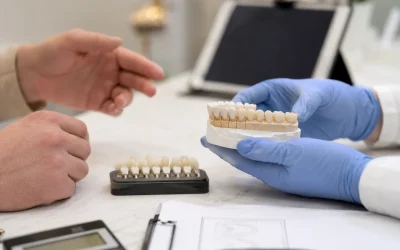
Full-Mouth Porcelain Crowns: What Really Drives the Total Cost (and How to Plan It)
The cost of full-mouth restoration with porcelain crowns depends on much...
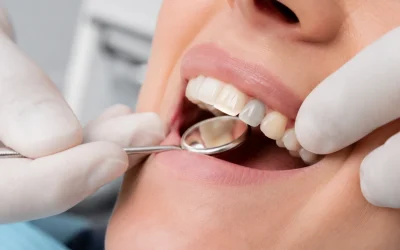
Why Your Crown Looks Grey or Dark: The 6 Causes Dentists Check Before Replacing It
If your porcelain crown is turning black or looks grey, the cause may be...

