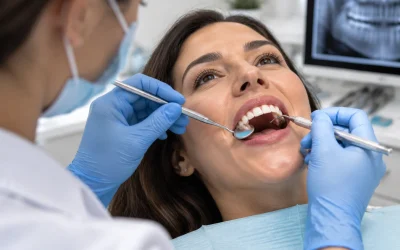
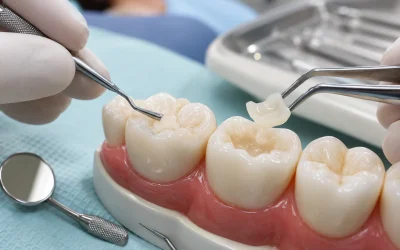
The best night guard for teeth grinding is usually a custom-fitted appliance made by a dentist because it is designed around your bite and provides more controlled protection than a store-bought guard. A custom night guard can also be adjusted for comfort, selected according to your grinding intensity, and adapted to protect crowns, veneers, implants, and natural teeth. Below, we explain five key benefits, what affects the cost, and when a bite evaluation may be necessary.
5 Reasons to Choose a Custom Night Guard
1. It Is Designed Around Your Bite
A custom night guard is created from a digital scan or impression of your teeth. This allows the appliance to fit the shape of your dental arch and account for how the upper and lower teeth meet.
The dentist can also check whether the guard feels stable, covers the necessary teeth, and creates balanced contacts without placing unnecessary pressure on one area.
2. It Provides More Controlled Protection
Night guards separate the upper and lower teeth, creating a protective surface that absorbs wear instead of allowing the teeth or restorations to contact each other directly.
This is especially important for patients who already have:
- Visible enamel wear or small fractures
- Tooth sensitivity associated with grinding
- Porcelain veneers or crowns
- Dental implants or mixed restorative work
- A history of repeatedly chipped restorations
3. The Material Can Match Your Needs
Custom guards are available in different materials and thicknesses. A dentist may consider a rigid, flexible, or layered design depending on the intensity of grinding, existing restorations, comfort needs, and the intended purpose of the appliance.
The most expensive or thickest guard is not automatically the best choice. The design should match the clinical findings and the forces it needs to manage.
4. A Precise Fit Can Make Nightly Use Easier
A guard only provides protection when it is worn consistently. A custom appliance can be adjusted to reduce pressure points, excessive bulk, looseness, or irritation that might discourage regular use.
Although an adjustment period is normal, the guard should remain secure and should not create persistent pain or a lasting change in how the teeth meet.
5. It Can Be Professionally Adjusted and Monitored
A dentist-made appliance is not treated as a one-time purchase. During follow-up visits, the dentist can evaluate:
- Changes in fit
- Wear marks or material loss
- New pressure points
- Changes in the bite
- Damage to teeth or restorations
- Whether symptoms require further evaluation
These checks help determine whether the appliance needs adjustment, repair, or replacement.
Custom vs. Store-Bought Night Guards
Store-bought guards may offer temporary protection for some people, but they are not designed around individual bite contacts or restorative work. Patients with persistent pain, substantial tooth wear, veneers, crowns, implants, or a recent change in their bite should be evaluated before relying on a generic appliance.
| Feature | Custom night guard | Store-bought guard |
|---|---|---|
| Fit | Made from a scan or impression | Adapted at home or sold in a standard size |
| Bite contacts | Checked and adjusted by a dentist | Not individually evaluated |
| Material and thickness | Selected for the patient’s needs | Limited preset options |
| Restorations | Can account for crowns, veneers, and implants | May not accommodate complex dental work |
| Follow-up | Can be adjusted and monitored | Usually replaced rather than professionally adjusted |
| Best use | Regular grinding or cases requiring individualized protection | Short-term or provisional use when clinically appropriate |
What Affects the Cost of a Custom Night Guard?
The cost depends on more than the appliance material. Digital scans or impressions, laboratory work, bite complexity, existing restorations, and the appointments included can all affect the final amount.
A patient with a stable natural bite may require a simpler design than someone with several crowns, implants, missing teeth, or uneven wear. Hard acrylic, flexible, and dual-laminate appliances may also have different fabrication costs.
Insurance coverage varies by plan. Before comparing estimates, ask whether the quoted price includes the examination, records, appliance, fitting, follow-up adjustments, and remake policy.
The lowest initial cost may not provide the best value if the appliance fits poorly, wears out quickly, or cannot be professionally adjusted.
Protecting Crowns, Veneers, and Implants
Grinding can place repeated stress on natural teeth and restorative materials. Although crowns and veneers are designed for normal biting forces, concentrated nighttime contact can affect their surfaces, edges, and margins.
A custom guard can be shaped around the final contours of the restorations. It may protect veneer edges, reduce concentrated contact on crowns, and help distribute forces when implants and natural teeth are present in the same bite.
Patients with existing cosmetic work can learn more about protecting veneers from teeth grinding and the role of bite planning, material selection, and follow-up care.
When a Crown or Restoration Is Already Damaged
A night guard can help prevent additional wear, but it cannot repair porcelain that is already cracked, loose, or significantly chipped.
A crown that feels higher than surrounding teeth, a rough porcelain edge, new sensitivity, looseness, or repeated fractures should be examined before the guard is made. Otherwise, repairing the tooth later could change the fit of the appliance.
The dentist should first determine whether the restoration needs polishing, adjustment, repair, or replacement. Patients who require restorative treatment can review the available porcelain crown service in Boca Raton and discuss protection after the tooth has been restored.
Can a Night Guard Help With Jaw or TMJ Symptoms?
A custom night guard is primarily intended to protect teeth and restorations. Some patients may also notice less morning jaw fatigue, sensitivity, or muscle soreness, but the appliance is not a guaranteed treatment for TMD, headaches, clicking, or facial pain.
Jaw symptoms can have different causes. Persistent pain, locking, restricted opening, painful clicking, swelling, or a recent change in the bite requires further evaluation rather than relying only on an appliance.
A guard should not be designed to permanently change how the teeth meet. If it causes new pain or a lasting bite change, stop using it and contact the provider.

Cosmetic Dentistry in Boca Raton
Get expert dental care and a personalized treatment plan designed for you.
When Is a Bite Evaluation Needed?
A bite evaluation helps determine whether a night guard is appropriate and whether damaged teeth, altered contacts, or jaw symptoms need attention first.
An assessment is particularly important when there is:
- A recent or unexplained bite change.
- A crown or veneer that feels higher than before.
- Progressive tooth wear or sensitivity.
- Repeated fractures or chipped porcelain.
- Jaw locking, restricted opening, or worsening pain.
The dentist may examine tooth wear, restoration margins, muscle tenderness, jaw movement, and how the upper and lower teeth contact. Digital scans, impressions, or photographs may be used when more detailed planning is needed.
Patients who are uncertain whether they grind can review these common signs of teeth grinding before scheduling an evaluation.
Which Custom Night Guard Design Is Right for You?
Hard acrylic guards provide a stable surface that can be adjusted precisely and may be considered when durability is a priority. Flexible guards may feel easier to adapt to in selected cases, although they may not offer the same stability for every grinding pattern.
Dual-laminate appliances combine a softer internal layer with a firmer exterior. They may offer a balance between comfort and resistance, but their suitability depends on the bite, grinding intensity, and existing restorations.
| Situation | Design that may be considered | Main consideration |
|---|---|---|
| Heavy nocturnal grinder | Hard acrylic splint | Durable surface that allows precise bite adjustments |
| New porcelain veneers | Dual-laminate guard with reinforced occlusal areas | Comfort and protection around porcelain margins |
| Implants or mixed restorations | Custom-fitted splint with adjusted contacts | Individualized force distribution around different restorations |
The appropriate design should be selected after evaluating the bite, grinding intensity, existing restorations, and comfort needs.
How a Custom Night Guard Is Made
The process usually includes four main stages:
- Clinical evaluation: The dentist examines tooth wear, restorations, jaw movement, symptoms, and bite contacts.
- Digital scan or impression: An accurate record is created so the appliance matches the teeth.
- Laboratory fabrication: The material, thickness, coverage, and contact pattern are designed according to the clinical findings.
- Delivery and adjustment: The dentist checks comfort, retention, coverage, and how the opposing teeth contact the guard.
A follow-up visit may be recommended to evaluate adaptation and early wear patterns.
Cosmetic Dentistry in Boca Raton
Get expert dental care and a personalized treatment plan designed for you.
Planning Veneers and Night Guard Protection Together
Patients considering veneers should disclose grinding or clenching before cosmetic treatment begins. Existing wear patterns and bite forces can influence restorative planning, material selection, and long-term maintenance.
When protection is needed, the night guard is generally fabricated after the final veneers are placed. This ensures that it matches the completed tooth contours rather than an earlier version of the smile.
Patients evaluating cosmetic treatment can explore porcelain veneers in Boca Raton and discuss how grinding protection will be incorporated into their care plan.
Caring for and Replacing Your Night Guard
Rinse the appliance after use and clean it according to the instructions provided for its material. Avoid hot water, which can distort some guards, and allow it to dry before storing it in a ventilated case.
Bring the appliance to routine dental visits so the dentist can inspect its fit and wear. Stop using it and request an evaluation if it becomes painful, loose, cracked, distorted, or develops sharp areas.
There is no universal replacement schedule. A new guard may be needed when the existing appliance loses retention, becomes significantly thinner, develops holes, or no longer matches the bite.
New crowns, veneers, implants, orthodontic treatment, or extractions may also require the appliance to be adjusted or remade.
Choosing the Right Night Guard Starts With an Evaluation
A custom night guard can provide individualized protection for patients with regular grinding, visible tooth wear, or restorative dental work. Its principal advantage is the ability to design, adjust, and monitor it according to the patient’s bite.
A clinical evaluation can clarify whether a night guard for teeth grinding is appropriate, which material should be considered, and whether damaged restorations or jaw symptoms require additional care.
The objective is not to promise that one appliance will eliminate every symptom. It is to protect the teeth comfortably, preserve existing dental work, and create a maintenance plan that can adapt over time.
Frequently Asked Questions
? What mistakes do patients commonly make when choosing a night guard?
A common mistake is selecting a guard based only on price without considering fit, material, bite contacts, symptoms, or existing dental restorations. Another is continuing to wear an appliance that causes persistent soreness, feels unstable, or changes how the teeth meet.
- Example: A generic guard may not fit appropriately around crowns or veneers and may feel bulky or uneven during use.
- Recommendation: Have your teeth and bite evaluated before relying on a store-bought guard, particularly if you have jaw pain, visible wear, or restorative dental work. Bring any existing appliance to the appointment for assessment.
? How should success be measured after getting a custom night guard?
Success should be evaluated through protection, fit, consistent use, and clinical follow-up rather than symptoms alone. The dentist can compare wear patterns, inspect restorations, and determine whether the appliance remains stable and comfortable.
- Example: Wear marks on the guard may confirm that it is receiving forces that would otherwise affect the teeth, even when the patient does not notice a dramatic change in symptoms.
- Recommendation: Record baseline concerns such as morning soreness, sensitivity, headaches, or restoration damage and review them during follow-up appointments. Contact the dentist earlier if the appliance causes new pain or a lasting bite change.
? What are the risks of delaying a bite evaluation?
Delaying an evaluation may allow tooth wear, cracks, sensitivity, or restoration damage to continue. It can also postpone the diagnosis of jaw pain, a changing bite, or another condition that requires more than a protective appliance.
- Example: A small chip along a veneer or crown margin may indicate repeated contact that should be evaluated before the restoration sustains additional damage.
- Recommendation: Schedule an assessment when you notice new sensitivity, visible wear, chipped porcelain, jaw locking, increasing morning pain, or a recent change in how your teeth meet.
? Which quality indicators should patients look for in a dental lab or appliance material?
Quality depends on more than the name of the material. The appliance should be made from an accurate scan or impression, provide appropriate coverage, fit securely, and allow the dentist to adjust the contact surfaces when needed.
- Example: A heavy grinder and a patient with new veneers may require different materials, thicknesses, or contact patterns even if both need protection at night.
- Recommendation: Ask which material is being recommended, why it fits your clinical needs, what appointments are included, and how adjustments, repairs, or remakes are handled.
? How quickly should someone expect to see improvements in TMJ or headache symptoms after starting a guard?
There is no universal timeline, and not every case of jaw pain or headache is caused by grinding. A night guard primarily protects the teeth; some patients may notice less morning soreness or fatigue, while others require additional evaluation or treatment.
- Example: If tooth wear stabilizes but jaw pain continues, the appliance may be protecting the teeth without addressing the primary source of the pain.
- Recommendation: Track symptoms and attend the recommended follow-up. Contact the provider if pain persists, worsens, or is accompanied by locking, restricted opening, swelling, or a lasting change in the bite.