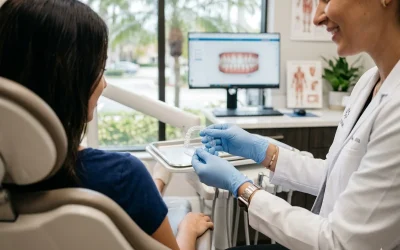
Invisalign for adults can be a worthwhile way to improve crowding, spacing, bite alignment, and smile confidence without putting life on hold—provided you have healthy gums, realistic goals, and a plan you can follow consistently. The best decision is not simply whether clear aligners are discreet; it is whether the investment, daily routine, and expected result fit your oral health and priorities. Read on to evaluate the questions that matter most before treatment.
1. What Do I Want Invisalign for Adults to Change?
Adult orthodontic decisions often begin with a visible concern: a lower tooth that has shifted, spaces that show in photos, or upper teeth that look uneven after years of wear. Yet the most useful starting point is to define the outcome beyond “straighter teeth.” Are you trying to make cleaning easier? Preparing for veneers, bonding, or an implant? Reducing pressure on a tooth that bites too hard? Improving a crossbite or overbite that has become more noticeable?
Adults may also have dental work that changes the planning process. Crowns, bridges, implants, gum recession, missing teeth, and older fillings all deserve a careful review before tooth movement starts. Clear aligners move natural teeth; an implant does not move in the same way. That does not automatically rule out treatment, but it means your dentist should coordinate alignment with the final restorative plan instead of treating the smile as a quick cosmetic project.
Cosmetic goals and functional goals should work together
A good plan balances what you see with what your teeth need to do. For example, closing a front gap may look appealing, but the final bite must still allow comfortable chewing and protect the edges of the teeth. If you are considering Invisalign for adults treatment, ask to discuss the specific changes that are possible in your case, the compromises involved, and what may require restorative dentistry after alignment.
Bring a short list of priorities to your consultation. You might rank them as easier flossing, a more balanced smile, less chipping, improved bite comfort, or preparation for cosmetic work. This gives your dentist a clearer framework for designing a result that supports both appearance and long-term oral health.
2. How Much Does Invisalign for Adults Cost, and What Is Included?
Cost is a legitimate adult concern because treatment is often self-funded and may need to fit around other financial goals. Invisalign pricing varies according to the complexity of movement, the estimated number of aligners, whether attachments or bite corrections are needed, the expected length of treatment, and what is included in the office’s fee. A small cosmetic correction is not priced the same way as comprehensive treatment involving bite changes.
Instead of comparing only the headline price, request a written explanation of the total investment. Ask whether the fee includes digital scans, planning, regular progress visits, refinement aligners, replacement aligners, retainers, and follow-up after active treatment. A lower initial quote can become less attractive if needed refinements or retainers are billed separately.
- What is the complete fee for my recommended treatment plan?
- Are payment plans or financing options available?
- How many refinement rounds are included, if needed?
- Will I need retainers, and is their cost included?
- Could untreated gum disease, cavities, or restorative needs add costs before treatment?
For many adults, the value question is broader than cost alone. Consider the potential benefit of improving access for brushing and flossing, distributing bite forces more evenly, and creating a foundation for future cosmetic or restorative work. The goal is not to buy the fastest or cheapest option; it is to choose a plan that is appropriate for your mouth and is clearly explained before you begin.

Cosmetic Dentistry in Boca Raton
Get expert dental care and a personalized treatment plan designed for you.
3. How Long Does Adult Invisalign Treatment Take?
Adult Invisalign treatment time depends primarily on what needs to be corrected and how consistently the treatment plan is followed.
Some adults may notice visible changes in the first few months, particularly when the concern involves relatively minor crowding or spacing. More comprehensive cases involving several tooth movements or bite correction generally require a longer treatment period.
It is useful to distinguish between two different milestones:
- When your front teeth begin to look straighter
- When the planned tooth movements and bite correction are actually complete
Those points may occur at different stages.
Your dentist can estimate the number of aligners involved, explain the expected sequence of treatment, and discuss whether refinements may be needed. For a more detailed explanation of the factors that affect treatment length, review how long Invisalign takes.
Travel, work obligations, or an upcoming wedding may influence when you would prefer to finish, but the treatment plan should not be rushed simply to meet a calendar date. Consistent aligner wear and proper monitoring are more important than choosing the shortest possible timeline.
Plan for Retention After Adult Invisalign
Finishing the active aligner phase is not the end of orthodontic care.
Teeth can shift after treatment, including teeth that were previously straightened with braces or clear aligners. Retainers help maintain the new positions after active movement is complete.
Before treatment starts, ask:
- What type of retainer will I need?
- When will it be delivered?
- How often will I need to wear it?
- Is the retainer included in the treatment fee?
- What happens if it is lost or damaged?
Retention should be considered part of the long-term Invisalign plan rather than an optional step added at the end.
| Decision area | What adults should evaluate | Question to ask |
|---|---|---|
| Budget | Total fee, financing, refinements, retainers, and pre-treatment dental care | What does my quoted fee include from scan to retention? |
| Timeline | Complexity, daily wear, travel plans, and expected refinement needs | What is the realistic completion range for my case? |
| Oral health | Gum condition, restorations, bite forces, and missing teeth | What should be treated before teeth begin moving? |
| Daily routine | Wear time, meals, hygiene, social events, and retainer habits | How can I make compliance realistic on busy days? |
4. Am I Too Old for Invisalign?
There is no single age at which adults automatically become too old for clear aligner treatment. What matters more is whether the teeth, gums, supporting structures, and existing dental work can support the planned tooth movement.
A healthy older adult may be an appropriate candidate, while a younger adult with active gum disease or untreated dental problems may need care before orthodontic treatment begins.
Adult mouths often require additional planning because patients may already have:
- Gum recession
- Previous orthodontic treatment
- Crowns or bridges
- Dental implants
- Missing teeth
- Tooth wear
- Clenching or grinding
- Large or older restorations
These conditions do not automatically prevent Invisalign for adults, but they may influence how treatment is designed.
For example, an implant cannot be repositioned orthodontically like a natural tooth, so surrounding teeth may need to be planned around its existing location. A crown or bonded restoration may also affect attachment placement or future cosmetic planning.
A comprehensive evaluation before treatment helps determine what is realistic and whether any periodontal, restorative, or general dental care should happen first.
5. Can I Realistically Wear Invisalign 20 to 22 Hours a Day?
One of the biggest differences between clear aligners and fixed braces is that the patient controls how much the appliance is worn.
Invisalign aligners are generally intended to be worn approximately 20 to 22 hours each day, according to the treatment instructions provided by your dentist. That means removing them mainly for eating, most beverages other than water, brushing, and flossing.
For busy adults, the question is not whether that routine sounds possible during an ideal week. It is whether it will still work during:
- Client lunches
- Long meetings
- Business travel
- Vacations
- Social events
- Frequent coffee breaks
- Unpredictable workdays
A practical routine can make a significant difference. Keep an aligner case, toothbrush, and floss in your work bag or travel kit. Remove aligners before meals, store them in their case rather than a napkin, clean your teeth when possible, and return the aligners promptly.
Adult Invisalign habits that protect progress
If you drink coffee slowly throughout the morning, frequent removal or wearing aligners with dark, hot beverages can complicate your routine. One practical approach is to enjoy your drink during a defined break, rinse or brush afterward, and return the aligners to your teeth. Small systems like phone reminders, a dedicated case, and tracking daily wear can prevent missed hours from becoming a pattern.
Understanding what Invisalign is can also make compliance easier: each aligner is a planned stage of tooth movement, not simply a removable cosmetic tray. If wear time repeatedly falls short, teeth may not track as expected, treatment can slow down, and additional aligners may be needed. Consistency is the adult advantage when you decide to make the process part of your schedule.
Cosmetic Dentistry in Boca Raton
Get expert dental care and a personalized treatment plan designed for you.
6. How will aligners affect work, eating, and social confidence?
Many adults choose clear aligners because they want a more discreet orthodontic experience in professional and social settings. In day-to-day life, most people adapt quickly to speaking with aligners, although a slight temporary lisp can occur while your tongue adjusts. Reading aloud, practicing before a presentation, or wearing aligners consistently rather than removing them frequently can help the adjustment happen faster.
Eating requires the largest routine change because aligners should be removed for meals. That can actually discourage constant snacking, but it may feel inconvenient if your workday includes multiple coffees, client lunches, or unpredictable schedules. Think through a typical weekday, travel day, and weekend before committing. The more clearly you anticipate friction points, the easier they are to solve.
Comfort is also individual. New aligners can create a feeling of pressure for a day or two, often signaling that the next planned movement is beginning. Attachments may be used to help certain teeth move precisely, and they can be noticeable up close even though they are tooth-colored. Ask your dentist what your treatment is likely to involve so that you are prepared rather than surprised.
7. Is Invisalign Worth It for Adults?
Invisalign can be worth it for adults when the expected result matches your priorities, your oral health supports treatment, and you are prepared to follow the daily wear and maintenance requirements.
The decision becomes more meaningful when you evaluate what treatment is intended to accomplish.
Adult Invisalign may be worth considering when you want to:
- Correct crowding or spacing
- Improve the position of teeth before cosmetic dentistry
- Address certain bite concerns
- Correct relapse after previous orthodontic treatment
- Improve access for brushing and flossing
- Create a more balanced foundation for future restorative work
It may be less appropriate when untreated gum disease or other dental problems need attention first, when the desired movements are not well suited to clear aligners, or when consistent daily wear is unlikely.
The important question is not simply, “Does Invisalign work for adults?” It is, “Is Invisalign the appropriate treatment for my particular teeth, bite, dental history, and goals?”
Choose a Treatment Plan Around Long-Term Oral Health
When evaluating Invisalign treatment in Boca Raton, look beyond a promotional price or digital smile preview.
Your consultation should address your bite, gums, existing restorations, missing teeth, cosmetic goals, expected treatment time, daily wear requirements, and retention after treatment. If clear aligners are not sufficient for the correction you need, that should also be explained before treatment begins.
For adults who are considering orthodontic treatment alongside veneers, bonding, crowns, implants, or other dental care, coordinating these decisions from the beginning may also help create a more logical treatment sequence.
Ultimately, Invisalign for adults is most valuable when the plan is based on a complete evaluation rather than convenience alone. A personalized assessment can help determine whether clear aligners fit your goals, what the realistic treatment commitment will be, and what should happen before you begin.