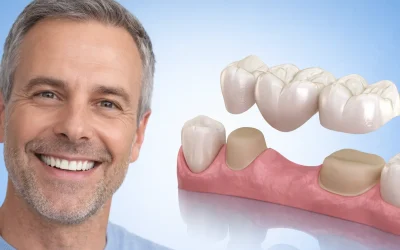
If you’ve just discovered a crack, a loose tooth, or a full break in your denture, you’re likely wondering how to fix broken dentures safely and quickly.
This guide explains which at-home steps are reasonable (and which to avoid), what a dentist can do to restore function and comfort, and how to prevent future damage—so you can get back to eating, speaking, and smiling with confidence.
First Things First: What to Do Right After a Break
- Stop wearing the denture if it’s sharp, unstable, or painful.
- Collect all pieces (even tiny fragments) and place them in a clean container.
- Rinse gently with cool water; do not scrub a crack—it can widen.
- Keep the denture moist (in water or approved soaking solution) to prevent warping.
- Avoid household glues (like super glue or epoxy). They’re not oral-safe and can permanently damage the acrylic.
- If you need to speak or eat before your appointment, use a backup appliance if you have one, or choose soft foods until you see your dentist.
Denture Types & Where They Tend to Fail
Understanding your appliance helps you decide the smartest next step.
Complete (Full) Acrylic Dentures
Replace all teeth in an arch. The acrylic base can develop:
- Hairline or midline fractures (often from fit changes or a drop)
- Tooth debonds (individual tooth loosens or falls out)
- Base chips along the flange
Partial Dentures
- Acrylic partials (“flippers”): lighter but more fracture-prone.
- Cast-metal partials (cobalt-chrome frameworks): durable frames, but acrylic saddles or teeth can still crack or debond; clasps may bend or break.
- Flexible nylon partials: resist fracture but can warp with heat and are harder to repair at home.
Implant-Retained Overdentures
More stable, but the acrylic around attachments can wear or crack; locator housings can loosen.
Note: Fixed bridges aren’t dentures and require different repair approaches—always let the dentist identify your appliance first. Want to explore your options? Learn more about the different types of dentures in our article: “Types of Dentures: Full, Partial, and Upper Options Explained.”
Why Dentures Break (and How to Lower the Risk)
- Accidental drops: Slipping during cleaning is the #1 cause. (Pro tip: clean over a folded towel or bowl of water.)
- Fit changes over time: Jawbone and gums remodel, creating pressure points that lead to stress fractures.
- Wear and tear: Long-term use thins acrylic; repeated chewing forces add micro-cracks.
- Heat and dehydration: Hot water and letting dentures dry out can warp the base.
- Biting habits: Hard foods, nutshells, or tearing open packages can overload the base or teeth.
Safe, Temporary At-Home Options (and Their Limits)
Your priority is stability until you reach the dentist. If you must use a stop-gap:
Using an OTC Denture Repair Kit (Temporary Only)
Many pharmacies carry kits designed for short-term fixes. Typical uses:
- Re-seating a single denture tooth
- Bridging a minor crack (not a complete break)
General steps:
- Clean and dry the pieces thoroughly (cool water, gentle pat).
- Follow the kit’s instructions exactly—materials and set times vary.
- Use minimal material—excess can distort the bite.
- Let it fully cure before wearing; test gently.
Do not use a kit if:
- The denture is snapped completely in two.
- There are sharp, missing, or distorted edges.
- It’s an implant-overdenture or flexible nylon partial (specialized parts/materials).
- You’ve already tried multiple DIY fixes—the more attempts, the harder a proper repair becomes.
DIY kits are temporary. They’re not a substitute for a professional repair and can void lab warranties if overused.
Professional Repairs: What Your Dentist Can Do
Seeing a dentist is the most reliable path to comfort, fit, and longevity. Depending on the damage, your clinician may recommend:
1) Chairside Adjustments & Minor Repairs (Same-Day Possible)
- Tooth replacement or re-bonding
- Spot repairs for chips or small fractures
- Polishing sharp edges and occlusion checks
2) Lab Repair: Fractures & Base Damage
- Precision re-alignment of broken pieces on a model
- Acrylic repair with heat-cured materials for strength
- Reinforcement mesh or fiber strips added across a fracture line
- Re-toothing (replacing multiple worn or missing teeth)
3) Reline vs. Rebase (For Fit Issues)
- Soft or hard reline: Adds new material to the tissue side for a snugger fit—great when gums have changed.
- Rebase: Replaces most or all of the pink acrylic while preserving tooth position—ideal for an older base with multiple micro-cracks.
4) Upgrades When Repairs Aren’t Cost-Effective
- New dentures: When wear is extensive or fractures recur.
- Implant-retained overdentures: Dramatically improves stability and chewing confidence.
- Fixed implant bridges: Not removable by the patient; highest stability and aesthetics (requires sufficient bone and a surgical plan).
Timeline tip: Many offices (including Smiles of Boca) can coordinate same-day or next-day lab repairs for common fractures. Availability depends on the complexity of the case and lab schedule.
How to Fix Broken Dentures Without Making Things Worse (Do’s & Don’ts)
Do
- Keep dentures moist (water/approved solution).
- Bring all pieces to the appointment.
- Note when and how the break occurred—helps your dentist diagnose root causes (fit, habits, bite).
Don’t
- Don’t use super glue, epoxy, or hot glue.
- Don’t sand, file, or heat the base to “make it fit.”
- Don’t keep wearing a loose or cracked denture—fractures typically spread.
Care & Maintenance That Prevent Future Breaks
Daily Cleaning the Right Way
- Soft brush + non-abrasive denture cleanser (never regular toothpaste—it scratches acrylic).
- Cool or lukewarm water only to avoid warping.
- Rinse after meals; soak overnight as directed.
- Clean your gums, tongue, and any natural teeth to maintain tissue health and reduce sore spots.
Smart Handling & Storage
- Clean over a towel or basin to cushion drops.
- Store in fresh water or recommended solution—never dry.
- Use a vented case when traveling; avoid heat (car dashboards, near stoves).
Stay Proactive With Fit
- Annual checkups (or sooner if sore spots appear).
- Ask about a reline if the denture feels loose, rocks, or whistles when you speak.
- If you’re frequently cracking bases, discuss bite balancing or implant options.
When Repair Isn’t Enough: Considering Long-Term Solutions
If you keep searching for how to fix broken dentures because problems recur, it may be time to reassess:
- New full or partial denture: Restores thickness, support, and aesthetics.
- Implant-retained overdenture: Fewer sore spots, better chewing power, greater confidence.
- Fixed implant bridge: Maximum stability and natural feel (requires comprehensive planning).
Your dentist will evaluate bone levels, bite forces, and lifestyle needs to recommend the most durable option.
The Best Way to Fix Broken Dentures
Knowing how to fix broken dentures starts with stabilizing the situation safely and getting timely professional care. Temporary kits can help in a pinch, but durable comfort comes from proper repairs, fit adjustments, or strategic upgrades.
If you’re in Boca Raton and need an expert assessment or a same-day repair, Smiles of Boca is here to help. Bring your denture (and all its pieces), and our team will guide you to the most reliable solution for a confident, comfortable smile.