A dental bridge can make everyday life feel normal again, but it also creates tight spaces where plaque and food debris like to hide. When those areas stay undisturbed, gums can become irritated and the supporting teeth can be put at risk. In this article, you’ll learn how to clean a dental bridge with a practical daily routine, the best tools for under-the-pontic cleaning, and the common mistakes that shorten a bridge’s lifespan.
Why Dental Bridges Need Targeted Cleaning
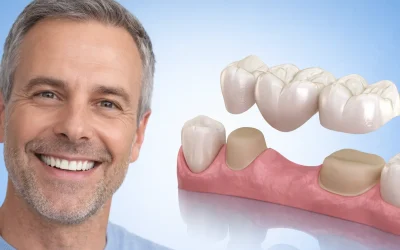
A bridge has contours, connectors, and a replacement tooth that sits above the gum tissue. That design restores function, but it also creates sheltered zones beneath the pontic and along the edges where the bridge meets the supporting teeth. If you want a clearer picture of how bridges are built and why these spaces exist, see What’s a Dental Bridge? Types, Benefits, and When You Might Need One.
Where buildup tends to collect around a bridge
Most bridge problems start in the spots you cannot see easily, especially near the gumline and beneath the replacement tooth. Focusing your routine on these zones helps protect the margins of the supporting crowns and keeps the tissue under the pontic calm.
- Beneath the pontic where food packs in and bacteria stay protected
- At crown margins where plaque can trigger inflammation and recurrent decay
- Around connectors where the bridge meets supporting teeth
- Along the tongue-side surfaces that are easy to miss while brushing
- In the gum crevice where bleeding and tenderness often begin
When you clean these areas intentionally, you reduce odor, lower gum irritation, and help your bridge last longer.
A Practical Daily Routine for Bridge Care
A strong routine is less about “brushing more” and more about brushing smarter, then sweeping under the bridge before plaque has time to harden. The goal is consistent disruption of buildup along the margins and under the pontic, using tools designed to reach under fixed dental work.
Use this framework to decide what tool to use and what it should accomplish at each point in your day.
| Moment | Tool | What to focus on | Why it matters |
|---|---|---|---|
| After waking | Soft toothbrush | Gentle angle toward the gumline on the supporting teeth | Helps protect crown margins where decay can start |
| After meals | Water flosser | Sweep along the gumline and under the pontic on a gentle setting | Flushes trapped debris before it irritates tissue |
| Before sleep | Super floss or floss threader | Slide under the pontic and hug the supporting teeth near the gumline | Removes sticky plaque that brushing cannot reach |
| Any time gums feel puffy | Interdental brush | Light passes at connectors and open embrasures without forcing | Clears plaque where inflammation often begins |
A routine like this makes it easier to stay consistent, because each tool has a clear job.

Cosmetic Dentistry in Boca Raton
Get expert dental care and a personalized treatment plan designed for you.
Cleaning Under the Pontic and Along the Margins
The most important part of learning how to clean dental bridge areas is mastering what happens under the pontic and at the edges of the supporting crowns. Those margins can trap plaque the same way a crown margin can, and the underside of the bridge can stay moist and sheltered, which is ideal for bacterial growth.
Techniques that actually reach the spaces a toothbrush cannot
Use these methods slowly and gently, aiming for contact with the underside of the bridge and the gumline rather than snapping or forcing tools into place.
- Guide a floss threader under the pontic, then pull floss through and sweep side to side beneath the replacement tooth
- Use super floss and place the spongy section under the bridge to scrub the underside without cutting the gum tissue
- Wrap floss in a “hug” around each supporting tooth near the gumline, then slide it under the margin with controlled pressure
- Angle an interdental brush through open spaces at connectors, moving it with light passes instead of pushing
- Aim a water flosser along the gumline first, then trace under the pontic to dislodge food that keeps returning
If something feels tight, stop and reassess your angle rather than forcing it, since aggressive pressure can injure gums and make cleaning uncomfortable.
Choosing the Right Tools for Your Bridge
Not all bridges create the same cleaning challenges. Some designs have longer spans or unique force patterns that can change where plaque collects and where irritation shows up. If your bridge design is more specialized, like a cantilever option, it helps to understand the structure so you can clean the high-risk areas more intentionally; review Cantilever Bridge Dental: Procedure, Cost, Pros & Cons.
Tool-by-tool guidance for daily bridge maintenance
These tools are commonly recommended because they solve specific bridge-cleaning problems rather than relying on guesswork.
| Tool | Best use | How to use it effectively | What to avoid |
|---|---|---|---|
| Soft toothbrush | Gumline and outer surfaces | Angle bristles toward the gum margin and use short strokes | Scrubbing hard enough to irritate gums |
| Electric toothbrush | Consistent plaque removal | Let the brush head do the work and pause at margins | Pressing down and flattening bristles |
| Super floss or floss threader | Under the pontic | Thread under the bridge, then sweep under and around supports | Snapping floss into the gum tissue |
| Interdental brush | Connectors and open embrasures | Choose a size that fits comfortably and move gently | Forcing a brush that is too large |
| Water flosser | Food debris flushing | Use a gentle stream along margins and under the pontic | Treating it as a replacement for flossing |
When your tools match your bridge anatomy, the routine feels faster and your gums usually respond with less bleeding and tenderness.
Mistakes That Lead to Odor, Irritation, and Decay
Bridge problems often come from small habits that seem harmless, like skipping under-bridge cleaning because the top looks clean. The most damaging issues tend to happen quietly at the margins and beneath the pontic, long before anything looks wrong in the mirror.
Habits to stop, and what to do instead
Avoid these patterns to protect your bridge and the supporting teeth that hold it in place.
- Relying on brushing alone instead of cleaning under the pontic with floss threaders or super floss
- Scrubbing with abrasive toothpaste that can roughen surfaces and make plaque stick more easily
- Using sharp picks that traumatize gums and can scratch restorative materials
- Skipping the gumline because it feels sensitive, which usually means it needs gentler, more precise cleaning
- Waiting for pain before scheduling a checkup, even though early margin breakdown can be painless
When your gums stay calm and your bridge feels clean without recurring food traps, you are usually on the right track.
Cosmetic Dentistry in Boca Raton
Get expert dental care and a personalized treatment plan designed for you.
When to Call Your Dentist
Even an excellent routine cannot correct a poor fit, a rough edge, or inflammation that has progressed below the gumline. If you keep dealing with bleeding, odor, or a “stuck food” sensation that returns quickly, it may be time for an evaluation and a broader discussion of restorative options, including the tradeoffs explained in Dental Bridge Vs Implant: Best Option For Your Smile.
Signs that deserve professional attention
Use this guide to decide when home care is not enough and a dental visit is the safer next step.
| What you notice | What it can suggest | What to do next |
|---|---|---|
| Bleeding that keeps returning | Gum inflammation at margins or trapped plaque under the pontic | Book a cleaning and ask for a bridge-specific exam |
| Persistent odor or bad taste | Bacterial buildup in sheltered areas | Bring your tools and ask for technique corrections |
| Tenderness under the pontic | Irritated tissue from pressure or trapped debris | Get the fit checked and rule out tissue injury |
| A rough edge or snagging floss | A margin or surface change that traps plaque | Schedule an evaluation to prevent worsening |
| Bridge feels “high” or uncomfortable | Bite imbalance stressing the supports | Request a bite assessment and adjustment if needed |
Catching these issues early can protect the supporting teeth and prevent larger repairs.
Why Choose Smiles of Boca
Smiles of Boca provides comprehensive restorative dentistry and orthodontic care in Boca Raton, with a focus on long-term stability, comfort, and natural-looking results. Your bridge care plan is guided by careful evaluation of gum health, bite forces, and the specific design of your restoration.
Patients also benefit from modern diagnostics, detailed hygiene coaching, and a team that prioritizes clear communication. When a bridge needs maintenance, adjustment, or a new long-term strategy, the goal is to keep your smile functional and healthy without unnecessary surprises.
Protect Your Smile by Learning How to Clean Dental Bridge Areas
Knowing how to clean dental bridge spaces under the pontic and along the margins is what protects the supporting teeth and keeps gums healthy over time. If you want your routine checked, your bridge evaluated for hidden plaque traps, or your technique refined with the right tools, Smiles of Boca can help you maintain your restoration with confidence.
Wondering if your bridge is truly clean where it matters most?
Smiles of Boca can evaluate your bridge and guide you toward healthier, more comfortable long-term tooth replacement options.