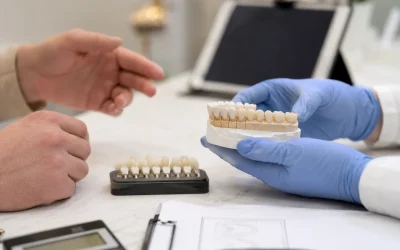
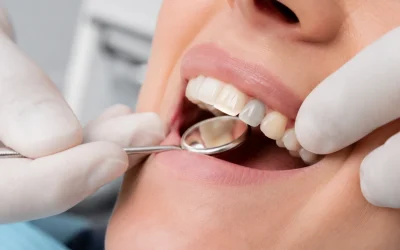
Porcelain crowns are designed to look natural, restore comfort, and support reliable chewing, but many patients still wonder how much biting force they can safely handle. Understanding their strength, what they can bite comfortably, and what habits could put them at risk helps protect your restoration long-term. This article explores how durable porcelain crowns really are, what foods are safe, what to avoid, and how daily habits influence their longevity.
What Porcelain Crowns Are Made Of
Porcelain crowns are crafted from dense ceramic materials designed to mimic the strength and translucency of natural enamel. Their composition allows them to resist wear, maintain color stability, and support everyday biting forces comfortably. These crowns are engineered to balance esthetics and structure, giving patients a restoration that blends predictably with surrounding teeth.
If you’re curious about how different crown materials compare, you can explore options in our guide to types of porcelain crowns.
How Strong Are Porcelain Crowns Compared With Natural Teeth
Porcelain crowns are built to withstand normal chewing pressure much like a healthy natural tooth. High-quality ceramics provide excellent compressive strength, allowing crowns to perform reliably during daily meals without compromising comfort or function. Placement, bonding technique, and precise design also play a major role in long-term performance.
Patients often appreciate that porcelain maintains its appearance exceptionally well, especially when learning about stain resistance in our resource on do porcelain crowns stain.
Foods Porcelain Crowns Can Handle Comfortably
Porcelain crowns support a wide range of normal eating habits. Their durability allows patients to continue enjoying most of their preferred meals without making major lifestyle adjustments. Common foods that are generally safe include:
- Fresh fruits such as apples and pears
- Vegetables like carrots or cucumbers
- Chicken, fish, and tender meats
- Bread, grains, and pasta dishes
- Enjoying foods with natural resistance is expected, as porcelain crowns are designed for functional, everyday use.
Everyday Biting vs Hard Biting Forces
Crowns excel under typical chewing pressure but can still be vulnerable to sudden, concentrated force. This distinction explains why patients tolerate most foods easily yet should avoid biting down on extremely hard items. To compare the performance of ceramics more deeply, many patients also explore ceramic vs porcelain crown differences. Understanding appropriate biting pressure helps prevent accidental fracture or stress on the restoration.
Foods and Habits That Can Damage a Porcelain Crown
Porcelain crowns are strong, but sudden concentrated pressure or repeated mechanical stress can exceed what the ceramic material is designed to tolerate. Understanding why certain foods and habits pose a risk helps you protect your restoration from chips, fractures, or loosening over time.
The following behaviors should be avoided because they place excessive or uneven force on the crown:
- Biting ice, hard candy, or unpopped popcorn kernels: These dense surfaces create sharp, high-impact pressure that can crack the ceramic or weaken the bond between the crown and tooth.
- Using teeth to open packaging or hold objects: This introduces sideways force that porcelain is not engineered to absorb, increasing the risk of chipping or crown displacement.
- Chewing extremely sticky foods that pull against the crown: Sticky textures can tug on the crown repeatedly, which may loosen the cement seal and compromise stability.
- Cracking nuts or hard seeds using the front teeth: Concentrated force on a small point can lead to microfractures that grow over time, eventually damaging the crown.
Avoiding these high-risk habits allows your porcelain crown to stay intact, stable, and comfortable for many years.

Cosmetic Dentistry in Boca Raton
Get expert dental care and a personalized treatment plan designed for you.
How to Support Long-Term Crown Strength
Porcelain crowns are designed for durability, but their long-term success depends on how well the supporting tooth and surrounding tissues are maintained. Good oral hygiene prevents decay at the crown’s margins, while healthy biting habits minimize unnecessary stress on the ceramic. Regular dental visits also allow your dentist to check for early signs of wear, shifting, or gum changes that could affect how securely the crown fits.
Simple Habits That Keep Your Crown Strong
SConsistent daily care helps protect both the crown and the natural tooth underneath. These habits can make a noticeable difference in long-term performance:
- Brushing with a non-abrasive toothpaste: Gentle formulas prevent scratching the ceramic surface and protect the seal at the gumline.
- Flossing carefully around the margins of the crown: Removing plaque prevents decay and inflammation that could compromise the tooth supporting the crown.
- Wearing a night guard if you clench or grind: This reduces heavy nighttime pressure that can create microcracks or loosen the restoration.
- Maintaining scheduled cleanings and exams: Professional monitoring ensures early detection of issues, allowing conservative adjustments rather than major repairs.
A consistent care routine strengthens the foundation of your crown and helps it function comfortably for many years.
What Affects Crown Strength Over the Years
Even though porcelain crowns are highly durable, certain factors can influence how they perform long-term. Alignment, bite pressure, natural enamel wear, and habits such as grinding can gradually affect crown stability. Addressing these issues early helps preserve both the crown and surrounding teeth.
| Factor | How It Influences Strength |
|---|---|
| Bite alignment | Uneven force may stress specific areas of the crown |
| Bruxism (clenching or grinding) | Repeated pressure can create small fractures over time |
| Gum health | Recession may expose margins and affect support |
| Crown fit and bonding | Proper placement enhances strength and longevity |
Discussing these factors during routine visits ensures the crown continues functioning comfortably and predictably.
Cosmetic Dentistry in Boca Raton
Get expert dental care and a personalized treatment plan designed for you.
Why Choose Smiles of Boca
Smiles of Boca combines advanced digital planning with meticulous esthetic craftsmanship to deliver porcelain crowns that look natural and feel comfortable from day one. Every restoration is tailored to your bite, shade, and smile goals to ensure strong, reliable function. Patients value our detail-oriented approach, gentle care, and focus on long-term oral health—an experience designed to provide beautiful results that last.
Strong Porcelain Crowns for a Confident Bite
Understanding how strong porcelain crowns are helps you enjoy daily meals with comfort and confidence. At Smiles of Boca, customized crown design and careful placement support excellent esthetics, long-term stability, and natural-feeling function. If you’re exploring crown treatment or want guidance tailored to your needs, our team is here to help.
Ready to learn whether porcelain crowns are the right choice for your smile?
Smiles of Boca offers personalized evaluations, expert guidance, and beautifully crafted restorations designed for long-term comfort and confidence. Our team is here to help you understand your options and choose the solution that best supports your oral health and esthetic goals.