If you’re considering improving your smile, one of the first questions you probably have is: how much does tooth bonding cost?
Tooth bonding is often one of the more affordable cosmetic dentistry treatments, but the final price can vary depending on how many teeth are being treated, the size of the correction, the complexity of the case, and whether any additional dental work is needed first.
For some patients, bonding is a simple way to repair a chipped tooth or close a small gap. For others, it can be part of a larger smile enhancement plan. That is why there is no single fixed price for every case.
In this guide, we’ll explain what affects tooth bonding cost, what you can typically expect to pay, how bonding compares to other cosmetic options, and how to decide whether it is the right investment for your smile.
What Is Tooth Bonding?
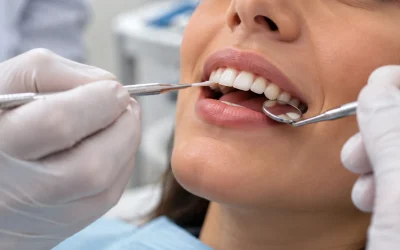
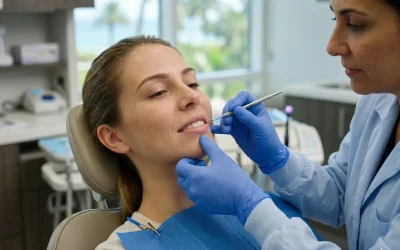
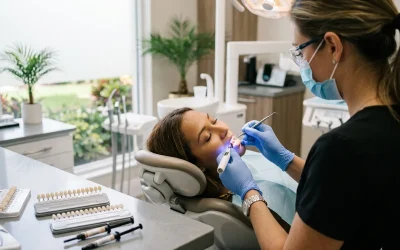
Tooth bonding is a cosmetic dental procedure that uses tooth-colored composite resin to improve the appearance of a tooth. The material is carefully applied, shaped, and polished to blend in with the surrounding teeth.
Bonding is commonly used to improve:
- Chipped teeth
- Small gaps between teeth
- Minor cracks
- Worn edges
- Uneven tooth shape
- Small cosmetic imperfections
- Mild discoloration in certain cases
Because it is generally conservative and does not usually require extensive enamel removal, bonding is often chosen by patients who want noticeable cosmetic improvement with a less invasive approach.
If you want a broader overview of aesthetic treatments, you can also read our guide on what cosmetic dentistry is.
How Much Does Tooth Bonding Cost?
Tooth bonding typically costs less than treatments like veneers or crowns, but the exact fee depends on the details of your case.
In many cases, bonding is priced per tooth, which means the total cost can increase depending on how many teeth need treatment. Smaller repairs may cost less than larger cosmetic improvements that require more material, shaping, and finishing.
While some patients only need one tooth treated, others may choose bonding on several teeth to improve overall symmetry and appearance. In those situations, the total cost depends not only on the number of teeth involved, but also on how much work each tooth requires.
What Affects the Cost of Tooth Bonding?
Several factors can influence how much tooth bonding costs.
- Number of Teeth: The more teeth that need treatment, the higher the total cost is likely to be. However, when multiple teeth are bonded in the same appointment, the cost per tooth may sometimes be slightly more efficient than treating each tooth separately over time.
- Extent of the Repair: A very small chip or minor edge correction usually takes less time and material than rebuilding a larger visible area. The more detailed the correction, the more the procedure may cost.
- Cosmetic Complexity: Not all bonding cases are the same. Some are simple touch-ups, while others require careful sculpting to improve tooth proportion, contour, and balance within the smile.
- Location and Provider Experience: Fees can vary depending on the dental office, the dentist’s experience with cosmetic cases, and the geographic area. Cosmetic treatment is not just about applying material — it is also about achieving a result that looks natural and fits your smile.
- Additional Dental Needs: If a tooth has decay, structural damage, or other underlying issues, those may need to be addressed before bonding can be completed. That can affect the final cost.
How Much Does Tooth Bonding Cost Per Tooth?
Bonding is often discussed in terms of price per tooth because many cases involve treating one or two visible teeth rather than the entire smile.
In general, minor bonding cases tend to cost less per tooth than larger cosmetic reshaping. A small edge repair is very different from bonding the front surface of a tooth to improve shape, color, and contour.
That is why the best way to understand the cost is not just to ask, “What is the average price?” but also, “What exactly needs to be corrected on my tooth?”
How Much Does Tooth Bonding Cost for Multiple Teeth?
When bonding is done on multiple teeth, the total fee usually rises because each tooth must still be prepared, shaped, and polished individually.
However, in some cases, treating several teeth in the same session can be more efficient than treating them one at a time. That can sometimes make the overall treatment plan feel more cost-effective, especially when bonding is used to improve smile balance rather than fix a single isolated flaw.
Patients considering several teeth may also want to compare bonding with other cosmetic options like veneers, especially if they are looking for a broader smile transformation.
Why Bonding Is Often More Affordable Than Veneers
Tooth bonding is often less expensive than veneers because it typically involves less lab work, fewer customization steps, and a more direct chairside procedure.
Veneers are custom-fabricated restorations that usually involve more design planning, material cost, and, in many cases, greater long-term investment. Bonding, on the other hand, is usually completed directly in the dental office using composite resin.
That makes bonding a popular option for patients who want to improve a chipped tooth, close a small gap, or correct a minor cosmetic issue without committing to a more extensive treatment.
Patients comparing options may also want to explore minimal-prep veneers or Lumineers, depending on their goals and how conservative they want treatment to be.
Is Tooth Bonding Worth the Cost?
For many patients, yes — especially when the issue is small to moderate and the goal is to improve the appearance of the smile without a more involved procedure.
Bonding can be worth the cost because it is often:
- More conservative than veneers
- More affordable than many other cosmetic treatments
- Effective for small to moderate aesthetic concerns
- Completed relatively quickly in many cases
- Repairable if minor damage occurs later
That said, the best value depends on what you are trying to fix. If you want a larger smile transformation, improved stain resistance, or a more comprehensive cosmetic redesign, another treatment may be more appropriate.
How Long Does Tooth Bonding Last?
The longevity of bonding depends on the location of the treated tooth, your bite, daily habits, and how well you care for your teeth.
Bonding can be a durable option, but it is generally not as stain-resistant or as long-lasting as porcelain. Patients who clench, grind, bite hard objects, or use their teeth aggressively may experience more wear over time.
Good oral hygiene, routine dental visits, and avoiding habits that put stress on the bonded area can help extend the life of the treatment.
Does Insurance Cover Tooth Bonding?
Insurance coverage depends on why the bonding is being done.
If bonding is performed primarily for cosmetic reasons, insurance may not cover it. If it is being used to repair structural damage, restore part of a fractured tooth, or address a functional concern, partial coverage may sometimes apply.
Because plans vary, it is always best to confirm benefits directly before treatment begins.
What Is Usually Included in the Cost of Tooth Bonding?
When you ask about price, it helps to understand what the fee may actually include.
Depending on the office and the case, the cost of tooth bonding may include:
- Cosmetic evaluation
- Shade matching
- Tooth preparation
- Composite resin placement
- Shaping and contouring
- Polishing and finishing
- Follow-up recommendations
That is one reason it is helpful to look beyond the number alone. A lower fee is not always the better value if the result is less refined, less durable, or less natural-looking.
How to Know If Bonding Is the Right Option for You
Bonding may be a great option if you want to improve one or more of the following:
- A chipped tooth
- A small gap
- Slightly uneven edges
- Minor cosmetic wear
- Small shape irregularities
It may be especially appealing if you want a treatment that is conservative, relatively affordable, and effective for visible cosmetic improvements.
On the other hand, if your goals involve major shape changes, broad smile redesign, or long-term stain resistance, your dentist may recommend another treatment approach. If budget is part of your decision, it can also help to compare bonding with broader smile treatment planning, including cosmetic dentistry costs in Florida.
Final Thoughts on Tooth Bonding Cost
Tooth bonding can be one of the most accessible cosmetic dental treatments, but the final cost depends on the number of teeth involved, the complexity of the correction, and the type of result you want.
For the right patient, bonding can offer a strong balance of affordability, cosmetic improvement, and conservative treatment. The key is understanding whether it matches your smile goals and whether a small repair or a more comprehensive solution makes the most sense.
At Smiles of Boca, treatment recommendations are based on the condition of your teeth, your cosmetic priorities, and the kind of result you want to achieve. If you’re considering tooth bonding, a consultation is the best way to get a personalized recommendation and cost estimate.