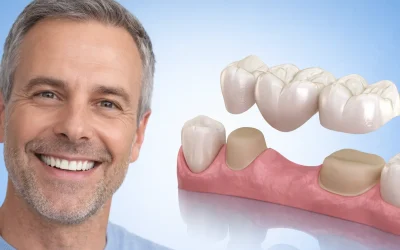
For many patients, losing teeth raises an important question: how much do dental dentures cost and what options are available? From partial dentures to permanent dentures and even denture implants, prices vary depending on materials, type, and additional care.
This comprehensive guide explores the average cost of dentures, the factors that influence pricing, and how to choose the best solution for your smile. You’ll also learn about affordable denture options, regional price differences, and how dentures compare with implants.
What Are Dental Dentures?
Dental dentures are removable or fixed prosthetic devices that replace missing teeth. They restore chewing function, speech, and facial aesthetics, giving patients back their confidence.
Over the years, dentures have evolved significantly. Early versions were carved from wood, ivory, or even animal teeth. George Washington famously wore dentures made of ivory and metal. By the 20th century, acrylic resins and porcelain teeth became standard, offering more comfort and durability. Today, 3D printed dentures, implant-supported designs, and flexible partials represent the latest advancements, combining aesthetics with functionality.
Different Types of Dentures
There are many types of dentures available today, and each option comes with different costs, advantages, and limitations.
Main Types of Dentures
- Partial dentures / partial dental dentures: Replace several missing teeth while preserving natural ones.
- Flexible dentures / flexible partial dentures: Lightweight, comfortable, and gum-colored.
- Permanent dentures / fixed dentures: Attached with implants for stability.
- Immediate dentures / same day dentures: Placed right after extraction.
- Removable dentures: Traditional option for daily wear.
- Hybrid dentures / non-removable dentures: Combine implant support with denture coverage.
- 3D printed dentures: Digitally scanned and printed for precision.
- Acrylic, porcelain, or metal dentures: Vary in durability, aesthetics, and cost.
Table: Types of Dentures and Average Cost (U.S.)
| Type | Best Candidate | Duration | Average Cost (USD) | Pros | Cons |
|---|---|---|---|---|---|
| Partial Dentures | Patients missing 2–6 teeth | 5–8 years | $500 – $1,500 | Affordable, non-invasive | Clasps may be visible, less stable |
| Flexible Partial Dentures | Those seeking comfort and esthetics | 5–7 years | $700 – $1,800 | Lightweight, blends with gums | Hard to repair, less durable |
| Full Removable Dentures | Patients missing all teeth in arch | 5–10 years | $1,000 – $5,000 | Cost-effective | May slip, need adhesive |
| Immediate Dentures | Post-extraction patients | 6–12 months | $1,000 – $3,000 | Instant smile, quick solution | Require relines, gums still healing |
| Permanent Dentures (Implant) | Adults seeking stability | 20+ years | $15,000 – $30,000 | Fixed, stable, natural | Expensive, surgery required |
| Hybrid/All-on-4 Dentures | Full arch replacement | 20+ years | $20,000 – $40,000 | No adhesives, very natural feel | Highest upfront cost |
| 3D Printed Dentures | Tech-driven, precise patients | 5–10 years | $1,500 – $4,000 | Quick, accurate, aesthetic | Availability may vary |

Affordable Smiles for Everyone
Restore your smile without breaking the bank! At Smiles of Boca, we provide affordable dentures and implant-supported solutions tailored to your budget and lifestyle. Book your consultation today and discover how easy it is to smile with confidence again.
Book an appointmentHow Are Dentures Made?
Patients often ask: how are dentures made or what are dentures made of? The process has advanced enormously in recent decades.
Traditional vs. Digital Fabrication
In the past, dentures were made entirely by hand in dental laboratories, requiring multiple impressions and adjustments. Today, CAD/CAM technology (computer-aided design and manufacturing) allows dentists to create 3D digital scans of the mouth. These scans are used to design dentures with greater precision and fewer appointments.
Digital dentures often mean:
- Faster turnaround (sometimes less than a week).
- Improved accuracy, reducing sore spots.
- Ability to save digital files → easier replacements if dentures are lost.
By contrast, traditional fabrication still requires:
- Physical impressions with putty materials.
- Multiple visits for bite registration and wax try-ins.
- Lab-based sculpting of the denture base and teeth.
Chairside vs. Lab-Made Dentures
Some clinics now offer chairside fabrication, where dentures are designed and partially manufactured in the office with milling machines. While not as common, this option reduces waiting time.
Lab-made dentures remain the gold standard, especially for porcelain or hybrid dentures, since technicians can focus on aesthetics and function.
How Long Does It Take to Get Dentures?
- Immediate dentures: same day as extraction.
- Traditional acrylic dentures: 4–6 weeks (due to healing and lab work).
- 3D printed dentures: as little as 48 hours in some clinics.
The time also depends on whether additional procedures like extractions, bone smoothing, or relines are necessary.
Factors That Influence the Cost of Dental Dentures
The cost of dentures is never just about the prosthesis itself. Multiple hidden elements contribute to the final price.
Real-World Scenarios
- Patient A – Full Extraction + Complete Denture: The denture itself may cost $1,200, but extractions ($150 each) and temporary immediate dentures push the total to over $3,000.
- Patient B – Partial Flexible Denture: The base cost is $1,000, but adjustments, relines, and follow-ups add another $300–$500 over time.
- Patient C – Implant-Supported Denture: Four implants at $1,500 each plus the denture at $10,000 → total $16,000–$20,000.
Hidden Costs Patients Overlook
- Follow-up visits: essential to adjust bite and relieve pressure points.
- Relines every 2–3 years: as gums shrink, dentures must be reshaped.
- Repairs/replacements: accidental breaks, loss, or wear.
- Adhesives and cleaners: while not expensive individually, ongoing costs add up over 10 years.
Impact of Dentist’s Expertise
Specialists in prosthodontics (dentists trained in complex restorations) may charge more, but their dentures often fit better and last longer. Choosing a less experienced provider may reduce upfront costs but increase the risk of frequent relines and discomfort.
Why Prices Vary So Much Between Countries
- U.S. & UK → Higher labor and lab costs, more expensive insurance structures.
- Mexico, Colombia, Costa Rica → Lower operational costs and competitive dental tourism market.
- Spain → Public-private mix, often cheaper than the UK but with similar quality.
Regional Cost Differences
Dentures vary in price across regions. Many patients research dental tourism to save thousands.
Table: Regional Cost Differences
| Region | Complete Dentures | Partial Dentures | Implant Dentures |
|---|---|---|---|
| U.S. East Coast | $1,500 – $5,000 | $800 – $1,800 | $20,000 – $40,000 |
| U.S. Midwest/South | $1,000 – $3,500 | $600 – $1,200 | $15,000 – $30,000 |
| Mexico/Colombia | $500 – $1,500 | $300 – $800 | $7,000 – $15,000 |
| Spain/UK | €1,200 – €3,000 | €600 – €1,500 | €12,000 – €25,000 |
Why dental tourism? U.S. patients can save up to 60% in Latin America while still receiving high-quality care.
Average Cost of Dental Dentures in the U.S.
Patients often ask: how much are dentures, how much does denture cost, how much is a partial denture, or how much does a complete set of dentures cost?
- Complete dentures: $1,000 – $5,000.
- Partial dentures: $500 – $1,500.
- Immediate dentures: $1,000 – $3,000.
- Permanent implant dentures: $15,000 – $30,000.
- Snap-in dentures: $6,000 – $18,000.
- One tooth denture cost: $300 – $500.
Insurance may cover part of these costs. Standard Medicare doesn’t cover dentures, but some Medicare Advantage and private plans may help.
Smile With Confidence Again
Missing teeth shouldn’t limit your life. From partial dentures to permanent implant-supported options, Smiles of Boca helps you eat, speak, and smile naturally again. Schedule your visit today and take the first step toward renewed confidence.
Know More!Affordable Denture Options
For many, affordability is the deciding factor.
Solutions for Patients
- Dental schools: supervised students create lower-cost dentures.
- Community clinics: reduced fees for locals.
- Affordable dentures packages: bundle extractions + prosthesis.
- Payment plans: monthly installments.
- Insurance & Medicaid: may cover part of costs.
Searches like affordable dentures near me and affordable dentures prices list are common among patients.
Dental Implants vs Dentures: Cost and Value
Many patients compare dentures vs implants or dental implants vs dentures cost.
Table: Dentures vs Implants Cost
| Aspect | Dentures | Implants |
|---|---|---|
| Initial Cost | $1,000 – $5,000 | $20,000 – $40,000 (full arch) |
| Longevity | 5–10 years | 20+ years, often lifetime |
| Maintenance | Adhesives, relines, replacements | Routine hygiene |
| Bone Preservation | No – bone shrinkage possible | Yes – stimulates jawbone |
| Comfort & Stability | May slip, need adhesive | Fixed, natural, stable |
Snap-in dentures are a middle ground: less costly than implants, more stable than removable dentures.
Additional Costs of Denture Care
Adhesives and Stability
- Best denture adhesive, secure denture adhesive, adhesive paste for dentures.
- Strong hold brands: Fixodent, Secure, Poligrip.
- Emergency fixes: denture glue repair.
Cleaning and Maintenance
- Denture cleaner, denture cleaning tablets, denture toothpaste, stain remover.
- Tools: denture brush, toothbrush for dentures.
- Professional polishing for tough stains.
Repairs and Relines
- Denture repair kit for home use.
- Professional reline every 2–3 years.
- Full replacement after 5–10 years.
Flexible Payment Options
Worried about denture costs? We offer flexible payment plans, affordable denture packages, and advanced implant solutions designed to fit your needs. Contact Smiles of Boca today and explore the best way to restore your smile affordably.
Know More!Lifestyle and Long-Term Value of Dentures
For many patients, the cost isn’t just financial—it’s about how dentures affect daily life and long-term health.
Adaptation Period
The first weeks with new dentures can be challenging. Patients may notice:
- Speech changes: slight lisp or difficulty pronouncing certain sounds.
- Chewing adjustments: learning to use both sides of the mouth simultaneously.
- Mouth soreness: pressure spots that require adjustment.
Most patients adapt within 1–3 months, especially with professional guidance.
Nutrition and Digestion
Missing teeth can limit diet to soft foods, reducing intake of fiber, protein, and vitamins. Dentures restore chewing ability, allowing patients to enjoy fruits, vegetables, nuts, and meats again. This improves digestion and overall health.
Studies show patients with well-fitted dentures report:
- Better nutrition and weight stability.
- Reduced risk of gastrointestinal problems.
- Improved energy and confidence in eating socially.
Psychological Benefits
Tooth loss often impacts self-esteem and social interactions. Modern dentures that look real can:
- Restore confidence in smiling and speaking.
- Encourage patients to re-engage socially.
- Reduce anxiety linked to appearance.
Long-Term Investment
Even though dentures typically last 5–10 years, they:
- Cost significantly less than implants upfront.
- Provide functionality and aesthetics quickly.
- Can be replaced or upgraded (e.g., moving from removable dentures to implant-supported dentures).
Patients should view dentures not as a temporary fix, but as a stepping stone toward long-term oral health.
Understanding the True Cost of Dental Dentures
The cost of dental dentures depends on type, material, and additional procedures. From partial dentures to permanent implant-supported dentures, there are options for every budget.
While implants are a long-term investment, traditional dentures remain the most affordable and widely available solution. At Smiles of Boca, we specialize in dental dentures, partials, and denture implants, combining affordability with personalized care.