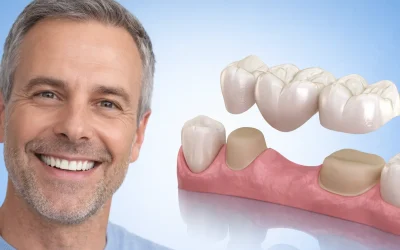
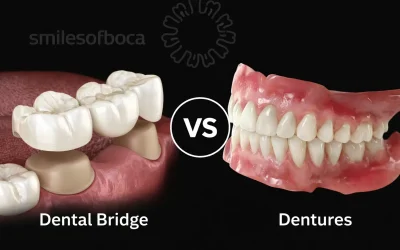
In most cases, you can eat once the numbness wears off—starting with soft foods and building back to normal textures over the next several days.
One of the first questions patients ask after the procedure is how long after dental bridge can I eat, especially when numbness, sensitivity, and a new bite position are involved. This article explains what affects comfort and chewing safety, how temporary and permanent bridges differ, which foods are safest as you transition back to normal meals, and the warning signs that should prompt a call to your dentist.
What affects eating right after bridge placement
The answer depends on more than time alone. Numbness from anesthesia can hide your bite strength, and the gum tissue around the bridge may feel tender as it settles. If you want a clearer picture of how bridges are made and supported, read What’s a Dental Bridge? Types, Benefits, and When You Might Need One.
Common factors that change your “ready to eat” window
Small details can make a big difference in comfort and safety during the first meals after placement.
- Lingering numbness that increases the risk of biting your cheek or lip
- Gum tenderness around the prepared teeth or bridge margins
- A bite that feels slightly “high” as your mouth adjusts to the new shape
- A temporary cement phase that holds the bridge differently than final bonding
- A bridge location in the back of the mouth where chewing forces are stronger
When these factors are managed well, your eating transition tends to feel smoother and more predictable.
A safe eating timeline for temporary and permanent bridges
Most people can return to eating relatively soon, but the type of bridge and how it is secured matters. A temporary bridge is meant to protect prepared teeth while your final restoration is made, so it needs gentler handling. A permanent bridge is designed for strength, yet it still benefits from a cautious ramp-up while tissues calm down and your bite is verified.
| Time frame | What usually feels safest | What to avoid | Why it matters |
|---|---|---|---|
| While numbness is present | Sips of water once cleared | Chewing, hot beverages | Prevents accidental biting and burns |
| Later the same day | Soft, cool-to-lukewarm foods | Crunchy snacks, sticky candy | Reduces stress on tender gums and new margins |
| The next day | Soft proteins and cooked vegetables | Hard crusts, nuts, ice | Protects the bridge while your bite settles |
| The following days | Gradual return to normal textures | Pulling foods like taffy | Helps avoid tugging on a new restoration |
| After your bite feels stable | Wider variety with mindful chewing | Habitual chewing on one side | Keeps forces balanced and comfortable |
A personalized recommendation always matters, especially if your bridge spans a larger area or your bite required adjustment.

Cosmetic Dentistry in Boca Raton
Get expert dental care and a personalized treatment plan designed for you.
Food choices that protect your bridge as you heal
If you’re asking, how long after dental bridge can I eat, the more useful question is often what you should eat first. Softer textures reduce the force on the supporting teeth and help you avoid sudden pressure on a tender gumline. Temperature also matters, because sensitivity to hot or cold is common early on.
Foods that help versus foods that cause trouble
Choosing the right textures supports comfort and protects the margins where the bridge meets the supporting teeth.
- Soft eggs, yogurt, oatmeal, and well-cooked grains
- Tender fish, shredded chicken, and slow-cooked meats
- Mashed vegetables, soups, and smoothies eaten with care
- Applesauce and soft fruits instead of raw, crunchy produce
- Sticky candy, chewing gum, hard nuts, and ice are best avoided
If something feels “grabby” or forces you to bite hard, pause and switch to a softer option.
Temporary bridge vs permanent bridge: what changes as you heal
A temporary bridge is typically held with a provisional cement so it can be removed later without damaging the prepared teeth. That makes it more vulnerable to sticky foods and aggressive chewing. A permanent bridge is bonded or cemented for long-term function, but your bite still needs to feel balanced, especially with specific designs and force patterns; learn more in Cantilever Bridge Dental: Procedure, Cost, Pros & Cons.
| Bridge stage | What “secure” usually means | Eating approach that fits best | Key risk to avoid |
|---|---|---|---|
| Temporary bridge phase | Protective fit, easier to remove | Softer foods and gentle chewing | Pulling the temporary off with sticky foods |
| Newly placed permanent bridge | Long-term retention, final contours | Gradual texture increase, chew evenly | Overloading one side before bite is confirmed |
| After full adjustment | Stable bite and comfortable gums | Normal eating with sensible habits | Habitual chewing on hard objects like ice |
If your bridge feels different day to day, that is a reason to slow down and get your bite checked.
When to call your dentist after eating
Mild tenderness and sensitivity can be normal while your mouth adapts. Sharp pain, a sudden “high spot,” or anything that feels loose is not something to wait out. Early evaluation protects the supporting teeth and helps prevent cracks, gum inflammation, or bite strain.
Signs that should trigger a prompt call
These symptoms often mean the bridge or bite needs to be evaluated and adjusted.
- A sharp pain when you bite down, especially in one specific spot
- A bite that feels high or makes one tooth hit first
- A bridge that feels loose, shifts, or seems to lift slightly
- Persistent throbbing, swelling, or a bad taste that does not improve
- New jaw soreness that starts after chewing on the bridge side
If you notice any of these, stop chewing on that side and contact your dental team for guidance.
Cosmetic Dentistry in Boca Raton
Get expert dental care and a personalized treatment plan designed for you.
Comparing bridges and implants once you’re healed
Some patients use the bridge-healing period to think about long-term tooth replacement options, especially if additional teeth are missing or future restorations are likely. If you are weighing options, Dental Bridge vs Implant: Which Option Really Fits Your Smile (and Budget)? breaks down practical differences that affect daily life, including maintenance and long-term value.
| Consideration | Dental bridge | Dental implant |
|---|---|---|
| What supports chewing | Neighboring teeth or implants | The jawbone via an implant post |
| Early eating transition | Often faster, with bite checks | Depends on surgical healing if placed |
| Long-term habits | Avoid chewing hard objects, clean under pontic | Keep gums healthy and maintain routine hygiene |
| Best fit depends on | Adjacent tooth health, span length, bite forces | Bone, gum health, and treatment goals |
The best choice is the one that fits your anatomy, timeline, and long-term comfort goals.
Why Patients Trust Smiles of Boca for Dental Bridges
Smiles of Boca provides restorative dentistry and orthodontic care in Boca Raton with careful attention to bite balance, gum health, and long-term comfort. Every bridge is planned to look natural, function smoothly, and protect the teeth and tissues that support it.
Patients benefit from modern diagnostics, detail-focused adjustments, and clear guidance that makes post-treatment care easier to follow. When something feels off, the team prioritizes fast, practical solutions to protect your results. Explore our services, here.
How long after dental bridge can I eat and feel confident?
How long after dental bridge can I eat depends on when anesthesia fully wears off, whether you have a temporary or permanent bridge, and how evenly your bite contacts when you chew. The goal is not just “being able to eat,” but eating without overloading the supporting teeth or irritating the gum tissue around the bridge.
If anything feels off—new pressure in one spot, lingering tenderness, or food consistently catching—Smiles of Boca can evaluate your bridge fit and bite balance and give you a clear, personalized eating plan that supports long-term comfort.
Are you unsure which foods are safest for your bridge right now?
Smiles of Boca can check your bite and help you protect your results with practical guidance you can follow at home.