A porcelain crown is built to restore strength, function, and esthetics, but even durable restorations can develop fine surface changes over time. When a faint line appears on a crown, it often raises questions about stability and what it means for the tooth beneath. This article explains what can cause a hairline crack, how to recognize early warning signs, and when it’s important to seek professional evaluation to protect your oral health.
What Causes Hairline Cracks in Porcelain Crowns
Porcelain is strong, but repeated force or natural wear can create fine structural lines. Daily habits, bite patterns, and accidental trauma all influence how long a crown stays intact. When stress accumulates, microscopic fractures may become visible or begin affecting comfort.
Common Factors Behind Surface Cracks
Stress on the crown can come from grinding, impact, or natural aging of the material. These issues gradually weaken the surface and make the crown more vulnerable to deeper fractures.
- Excess bite pressure and bruxism can strain the porcelain over time.
- Trauma from chewing hard objects or accidental impact may trigger immediate cracks.
- Long-term wear can slowly thin the material and expose weak areas.
Early awareness improves your chances of preserving the crown.
How Material Differences Affect Durability
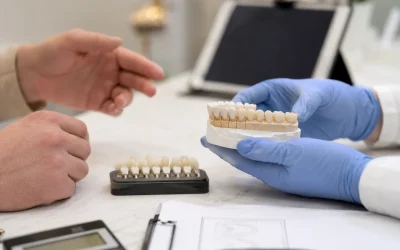
Different porcelain systems have unique strengths, translucencies, and longevity expectations. Understanding these variations helps explain why some crowns resist wear better than others. A well-selected crown material sets the foundation for long-term stability.
If you’re comparing materials, the guide on types of porcelain crowns offers a helpful overview of how each option performs.

Cosmetic Dentistry in Boca Raton
Get expert dental care and a personalized treatment plan designed for you.
How to Identify a Hairline Crack in a Porcelain Crown
Hairline cracks often appear gradually, so early detection relies on paying attention to subtle changes. Some patients notice a fine line when brushing, while others first sense temperature sensitivity. Combining visual indicators with physical symptoms helps you determine when evaluation is necessary.
Signs That Suggest a Developing Crack
Some clues are obvious, while others appear only during eating or cleaning. If anything feels different, it’s best to schedule a check-up to prevent progression.
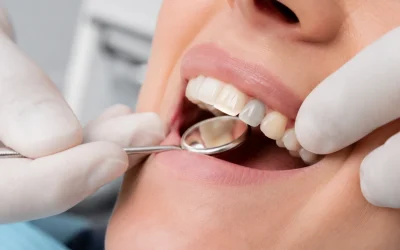
- A thin line visible across the porcelain surface.
- Sensitivity to hot or cold foods that was not present before.
- Color changes where bacteria may settle into the crack.
These indicators show the crown needs closer inspection.
Surface Changes and Staining
Cracks sometimes collect pigments or bacteria, making them easier to spot. If the area appears darker than surrounding porcelain, read more about discoloration patterns in the guide Do porcelain crowns stain?. Understanding how stains behave can help you distinguish cosmetic issues from potential damage.
Note: A visual shift is often the first sign something is wrong.
What Happens If a Hairline Crack Is Ignored
Even a faint crack can worsen as chewing forces continue. Once a weak point forms, it may deepen, allowing bacteria to reach the underlying tooth structure. Timely care protects both the crown and the natural tooth it supports.
How Hairline Cracks Progress
As the fracture spreads, the porcelain may chip or separate from the tooth, leading to discomfort or instability. The longer the delay, the more complex the repair becomes.
| Potential Impact | What It Means for the Crown |
|---|---|
| Bacterial infiltration | Greater risk of decay under the crown |
| Structural weakening | Increased chance of fracture or failure |
| Loss of aesthetics | Visible damage affecting the smile |
| Higher treatment needs | More complex repairs or replacement |
Early evaluation helps preserve your restoration.
Risks to the Tooth Beneath the Crown
When a hairline crack extends beyond the outer porcelain layer, it can create a pathway for bacteria to reach the natural tooth. This can lead to decay, inflammation, or deterioration that may compromise both the crown and the underlying structure. In some cases, the tooth may require additional restorative treatment rather than a simple crown replacement. Keeping the natural tooth healthy is always the primary goal, which is why early evaluation matters.
For insight into how crown materials influence long-term durability, explore ceramic vs porcelain crown.
Cosmetic Dentistry in Boca Raton
Get expert dental care and a personalized treatment plan designed for you.
When It’s Time to Contact Your Dentist
A hairline crack should never be ignored, even if it causes no immediate pain. Dentists can determine whether the crack is superficial or structural and recommend the right treatment to prevent further issues.
Symptoms That Require Prompt Care
Changes in sensitivity, appearance, or function suggest that the crown’s integrity may be at risk. Addressing symptoms early prevents more invasive procedures later.
- Persistent temperature sensitivity during meals.
- A visible crack that seems to be lengthening.
- A loose or shifting crown.
Noticing any of these signs means it’s time for a dental evaluation.
When Visual Damage Becomes a Functional Problem
If chewing feels uneven or the crown moves slightly, the underlying cement or tooth structure may already be affected. This is a sign that the crack has gone beyond the surface and should be assessed quickly. Your dentist can determine whether repair or replacement is the safest option.
Options to Repair or Replace a Cracked Porcelain Crown
Treatment depends on the severity and location of the crack. Some issues remain superficial and can be smoothed or reinforced, while deeper fractures may require a full replacement to protect the underlying tooth. The goal is always to restore comfortable function and preserve as much healthy structure as possible.
If you’re exploring broader esthetic solutions, you can also review Smiles of Boca’s cosmetic dentistry services to understand how restorative care supports long-term smile harmony.
Conservative and Full-Coverage Solutions
Dentists assess whether the crack affects only the outer porcelain or if it compromises the crown’s deeper structure. When possible, conservative treatments help preserve the existing restoration, while more advanced damage may require a full replacement to maintain strength and appearance.
- Polishing to smooth out very minor surface irregularities
- Bonding with a tooth-colored material to reinforce and seal the affected area
- Complete crown replacement when the fracture threatens long-term stability
How Severity Guides Treatment Choice
The depth and behavior of a crack determine whether conservative repair is possible or whether replacement is the safest option. When a fracture extends inward or interferes with chewing, a new crown is typically required to protect the tooth. More superficial cracks may be stabilized with minimally invasive techniques.
Key factors dentists evaluate include:
- How deep the crack extends within the porcelain
- Whether biting or chewing causes pressure, discomfort, or flexing
- Changes in appearance that suggest structural weakening
- The risk of bacterial leakage reaching the natural tooth
- The remaining strength of the surrounding crown material
These criteria help determine whether bonding, smoothing, or full replacement will offer the most reliable outcome. A personalized examination ensures your treatment plan supports long-term comfort, stability, and esthetic results.
Why Choose Smiles of Boca
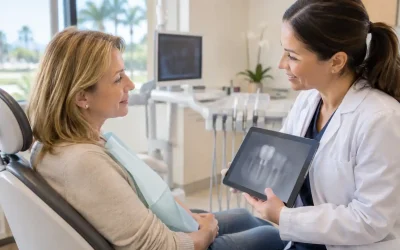
Smiles of Boca uses advanced imaging, digital planning, and precise restorative techniques to diagnose and treat cracked crowns with exceptional accuracy. Each restoration is crafted to look natural, feel comfortable, and support long-term oral health. Patients appreciate the personalized guidance, gentle care, and strong esthetic focus that define every visit.
☆ Digital diagnostics for accurate evaluation
☆ Natural-looking, high-precision restorations
☆ Personalized treatment plans
☆ Gentle, patient-focused care
☆ Long-term strength and esthetic quality
Protecting Your Smile When a Hairline Crack in a Porcelain Crown Appears
A hairline crack in a porcelain crown should never be overlooked, even when discomfort is minimal. Early evaluation helps prevent deeper damage and preserves both the crown and the tooth beneath it.
Ready to Restore Your Crown’s Strength?
If you’ve noticed a hairline crack or subtle change in your porcelain crown, now is the ideal time to seek expert guidance. Smiles of Boca offers advanced diagnostics, modern restorative techniques, and a personalized approach designed to protect your tooth and ensure long-lasting comfort. Our team is here to evaluate your crown, explain your options clearly, and provide a seamless, supportive treatment experience from start to finish.