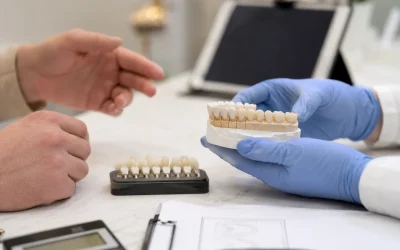
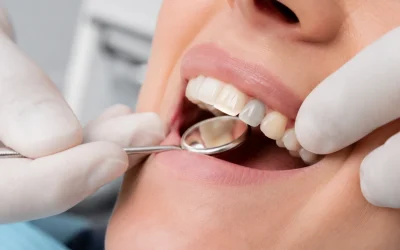
Gold can be a smarter choice than porcelain for back teeth when durability, bite forces, and tooth preservation matter more than a tooth-colored appearance. A gold crown is especially useful for molars, patients who grind their teeth, limited bite space, or cases where ceramic crowns have chipped before. This guide compares gold vs porcelain crown materials by wear, margin fit, longevity, esthetics, cost, and practical use cases.
Why gold still matters: wear compatibility and functional harmony
Gold alloys have a long history in dentistry because their physical properties closely match the dynamics of the mouth. When a gold crown opposes natural enamel or another restoration, it wears at a rate more compatible with surrounding teeth than many harder ceramics. That controlled wear helps preserve the occlusion and reduces the risk of creating high spots that can accelerate joint or muscle complaints. In other words, gold sacrifices predictably and gently rather than creating unexpected abrasive contact.
Gold’s ductility and slight elasticity also allow a crown to absorb and distribute occlusal loads differently than brittle ceramics. For patients with heavy masticatory forces, either through athletic use or parafunction like clenching and grinding, this biomechanical behavior is a critical difference. A posterior gold restoration can act almost as a functional buffer by reducing peak stresses on the remaining tooth structure.
Wear compatibility vs porcelain
Porcelain and modern ceramics were engineered for superior esthetics and high strength, but their relative hardness can produce different wear patterns on opposing teeth. The enamel of opposing teeth may suffer accelerated wear if opposed by sharp or roughened ceramic surfaces—especially if the ceramic chips and leaves an irregular edge. That’s one reason clinicians still consider gold for patients where protecting opposing enamel and maintaining long-term occlusion is a priority.
Margin integrity and the advantage of gold crown margins
One of the reasons gold crowns last so long is margin precision. Gold allows technicians to create very thin, well-adapted margins that seat intimately against the prepared tooth. Those tight margins reduce microleakage, lower the risk of recurrent decay, and protect periodontal tissues. Over decades this margin integrity often translates into fewer remakes and less invasive re-treatment.
Metals do not fracture at the margin under load the way ceramics can. Ceramic crowns require more bulk and sometimes chamfered or shoulder margins to support the porcelain, which can demand more tooth reduction. For patients prioritizing tooth preservation, the conservative margin profile of gold—paired with proper cementation—remains compelling.
Why crown margins matter for long-term durability
Comparisons between gold crown vs porcelain frequently focus on esthetics, but for a posterior tooth the margin’s clinical behavior is what determines survival. If the margin stays sealed and the restoration resists marginal chipping, the crown can last many decades. That is where gold retains an edge for molars and premolars under heavy function.
Longevity under heavy bite forces and bruxism
Gold’s toughness—its ability to deform slightly rather than fracture—gives it remarkable fatigue resistance. A well-designed gold crown can absorb repeated loads without the catastrophic failure modes you see with some all-ceramic systems. In clinical practice this means gold handles the micro-movements and stress risers that develop in a bruxer’s mouth far better than brittle ceramics.
Long-term studies and clinical experience show many gold restorations remaining functional for 25–40+ years when properly cared for. Ceramics have made enormous strides and many systems are highly durable, but the risk profile in a heavy-bite environment is different: ceramics can chip, crack, or debond under eccentric forces whereas gold tends to adapt and remain serviceable.
Who benefits most from gold longevity?
Patients with a history of ceramic chipping, large posterior restorations, or those identifying strong clenching/grinding patterns fall squarely into the group that benefits from gold’s performance. If preserving function without repeat interventions is the goal, gold becomes an investment in longevity.
Conservative thickness requirements and tooth preservation
Gold crowns require less bulk to achieve strength compared to many ceramic systems. That means less tooth structure must be removed at the time of preparation. Less reduction preserves enamel and dentin, improving the long-term vitality of the tooth and reducing the risk of needing a root canal or post later.
For teeth with limited occlusal clearance or irregular wear where aggressive preparation would be extra-invasive, a thin gold onlay or full-coverage gold crown can often be placed without the aggressive grinding that a ceramic restoration would demand. This conservative philosophy aligns with modern restorative planning that emphasizes preservation over replacement.
Gold crown vs porcelain: conservative case planning
When dentists consider gold crown vs porcelain, one clinical question is always: how much healthy tooth must be sacrificed to create appropriate clearance and support? In many posterior scenarios, the lower thickness requirement for gold means clinicians can save a significant amount of tooth structure while still providing a restoration that withstands decades of use.
When a patient’s priority is long-term function rather than cosmetic front-tooth appearance, the less-invasive approach of gold is often more consistent with long-term oral health.
Esthetics, modern material advances, and when porcelain wins
It’s important to acknowledge the major advances in ceramic technology. High-strength zirconia, layered glass-ceramics, and hybrid materials now allow clinicians to create posterior restorations with impressive function and acceptable esthetics. For many patients who demand a metal-free mouth or who have anterior esthetic needs, porcelain and ceramic systems are preferred.
However, ceramics achieve esthetic results through translucency and color matching—attributes unnecessary for most molars. Their advantages are most visible in premolars and anterior restorations where appearance matters. That’s where the trade-off becomes clear: you gain smile-friendly esthetics with ceramics but accept different mechanical behaviors and possibly more extensive tooth preparation.
Are gold crowns better than porcelain for function?
Answering the question are gold crowns better than porcelain depends on the clinical goal. For posterior function, bruxism management, and minimal-prep requirements, gold often is the better functional material. For patients prioritizing a seamless, metal-free smile, porcelain is preferable; modern ceramics can be engineered to be very durable but they require strict case selection and occlusal management to minimize chipping and wear to opposing teeth.
To understand subtle differences between ceramic options and indications for porcelain, clinicians often consult resources detailing specific crown systems and their strengths; for patients who want to understand the differences between tooth-colored materials can also review this ceramic vs porcelain crown comparison before discussing their options with a dentist.

Cosmetic Dentistry in Boca Raton
Get expert dental care and a personalized treatment plan designed for you.
Practical scenarios: who should choose gold?
Gold is not for every patient, but it fits several clinical profiles exceptionally well. Typical beneficial scenarios include: heavy bruxers where crack-prone materials fail prematurely; limited occlusal clearance where ceramic thickness isn’t feasible; and teeth that require large restorations where ceramic chipping risk is elevated. A gold crown’s ability to survive aggressive functional demands makes it an ideal option for these cases.
For an actual example, consider a 52-year-old patient with a cracked molar and a long history of nocturnal bruxism. Multiple ceramic onlays had fractured in the past. After discussion, the team placed a full-coverage gold crown with conservative preparation. The restoration survived five years of documented heavy clenching with no fractures, minimal opposing wear, and no need for re-treatment—demonstrating gold’s resilience in practice.
Limited clearance and restorative options
Patients with supra-erupted opposing teeth, limited inter-arch space, or previous minimal-prep restorations may not tolerate the thickness required by porcelain. In those situations, a thin gold onlay or conservative gold crown preserves tooth structure while providing necessary strength. If esthetics are a minor concern because the tooth is a true posterior, gold becomes a clear, pragmatic choice.
Gold and porcelain crown costs: upfront price vs long-term value
Upfront price comparisons between gold and porcelain can be misleading. Gold alloy restorations often cost more per unit at the time of treatment because of material expense and laboratory work. However, when evaluating gold vs porcelain crown price in a lifetime-cost model, gold’s durability and lower likelihood of catastrophic failure or remake may reduce cumulative cost over decades.
Patients sometimes resist gold based on perceived expense, but it’s useful to frame cost relative to longevity. A porcelain crown that chips and requires replacement two or three times across a patient’s life may cost more overall than a single gold crown that functions for 20–30 years. This investment perspective often changes the decision for patients focused on minimal future interventions.
Common objections about cost and appearance
Appearance is the most obvious objection: gold is unmistakably metallic. For many patients and clinical situations this is acceptable for molars and second premolars. Cost perceptions can be mitigated by explaining long-term value and possible insurance or financing options. In a clinical consult, showing comparative timelines and replacement likelihood helps patients choose the option aligned with their goals.
| Feature | Gold | Porcelain/Ceramic |
|---|---|---|
| Esthetics | Metallic appearance; best suited for posterior teeth | Natural translucency and shade matching |
| Wear behavior | Compatible with enamel; controlled wear | Can be abrasive if roughened or chipped |
| Preparation thickness | Conservative; often requires less tooth removal | Usually requires more bulk for strength |
| Longevity | Excellent long-term survival in selected cases | Very good, but may chip or crack under stress |
| Best fit | Bruxers, limited clearance, posterior molars | Visible teeth, esthetic cases, metal-free preferences |
Clinical workflow and decision-making: when to pick which material
Every restorative decision is individualized. Treatment planning should review: the patient’s esthetic priorities, occlusal scheme, parafunctional habits, available interocclusal space, periodontal health, and previous restorative history. If a patient has a history of ceramic chipping or a strong bite, gold should remain high on the list. If a patient has a compelling desire for a metal-free smile and the occlusion is favorable, a modern ceramic system may be chosen after occlusal adjustment and protective strategies like nightguards are planned.
As part of treatment planning, it can help to review the types of porcelain crowns, including zirconia, E-max, all-porcelain, and porcelain-fused-to-metal options.
Restoration example and recommendation
Imagine a patient with a first molar affected by recurrent decay under an old amalgam, who works in manual labor and reports nightly clenching. Preserving remaining tooth structure while delivering a restoration that will endure decades suggests a gold crown. The actionable recommendation is to take a diagnostic model, confirm occlusal contacts in centric and excursions, and choose gold when limited reduction preserves structural integrity. If esthetics were needed, an alternative could be a zirconia crown with occlusal design modifications and a protective nightguard.
Cosmetic Dentistry in Boca Raton
Get expert dental care and a personalized treatment plan designed for you.
Addressing common objections: appearance, cost perception, and maintenance
The most common objection to a gold restoration is esthetics. For visible teeth this is valid—the warm metallic color does not blend with natural enamel. But for true posterior teeth, the color is often not apparent in routine conversation and many patients accept the trade-off when provided with clear information about functional advantages.
Regarding cost perception, while initial fees for gold may be higher, discussing lifetime cost and the potential need for multiple ceramic replacements reframes the conversation. Patients who understand durability, margin longevity, and fewer future interventions frequently choose gold as a long-term investment in oral health.
Maintenance of gold restorations is straightforward: routine hygiene, occasional polishing, and monitoring for recurrent decay at margins. For patients concerned about appearance, hybrid options exist such as porcelain-fused-to-metal (PFM) where a thin metal substructure supports porcelain; however, be aware PFMs combine pros and cons of both materials.
If you are still learning the basics, start with this guide on what a porcelain crown is before comparing porcelain with gold.
Practical takeaways and final guidance for patients
When choosing between a gold crown and a porcelain crown, prioritize function and longevity for posterior molars, and esthetics for anterior teeth. If you grind, have limited clearance, or have experienced ceramic chipping in the past, gold is often the smarter investment. If you prioritize an entirely tooth-colored smile and have a favorable occlusion with protective habits, ceramics may be appropriate.
Actionable recommendations: request a thorough occlusal analysis, ask for predictable long-term survival data from your provider, and request mock-ups or models showing how much tooth will be removed for each material. Discuss protective strategies such as occlusal guards with your dentist if you choose ceramic but retain parafunctional habits.
Choosing the Right Crown Material for Long-Term Function
A gold crown is not the most cosmetic option, but for posterior teeth it can be one of the most predictable choices when the goal is durability, conservative preparation, and long-term function. Porcelain and modern ceramics remain excellent options for visible teeth and metal-free esthetics, but patients with bruxism, limited bite space, or a history of ceramic chipping should ask whether gold is clinically appropriate. The best decision comes from evaluating bite forces, remaining tooth structure, esthetic priorities, and expected maintenance during a personalized crown consultation.
Questions to Ask Before Choosing a Crown Material
? How do dentists assess ceramic failure risk before choosing materials?
Example: A patient with worn teeth, night grinding, and a chipped ceramic molar may have a higher risk of future ceramic failure.
Recommendation: Ask your dentist to evaluate your bite and discuss whether a nightguard, occlusal adjustment, or alternative crown material is appropriate.
? What are common mistakes when evaluating long-term cost of crowns?
Example: A porcelain crown that needs replacement twice over several decades may cost more overall than one long-lasting gold crown on a back molar.
Recommendation: Ask for a cost discussion that includes expected lifespan, possible repairs, and your personal risk factors, not just the initial fee.
? How do repair protocols differ between metal and ceramic failures?
Example: A small ceramic chip may be smoothed or repaired, but a larger fracture affecting the crown’s structure may require a new crown.
Recommendation: Before choosing a material, ask what types of repairs are possible and what would require replacement.
? What provider criteria ensure a successful gold restoration?
Example: For a back molar with limited clearance, a dentist may recommend gold because it can provide strength without removing excessive tooth structure.
Recommendation: Ask whether your dentist works with a lab experienced in gold restorations and whether your bite will be checked after placement.
? How should patients decide when esthetics conflict with function?
Example: A visible premolar may need a tooth-colored crown, while a second molar in a patient with bruxism may be better suited for gold.
Recommendation: Ask your dentist to explain the trade-off between appearance, durability, tooth reduction, and expected maintenance for your specific tooth.