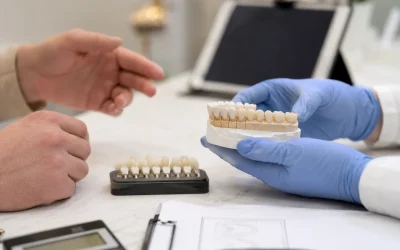
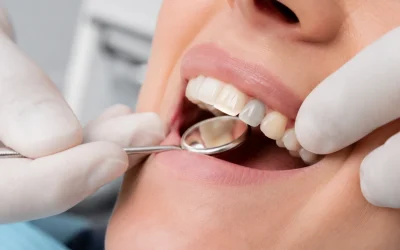
Choosing a crown is not only about looks. Gold crowns often suit patients with heavy chewing forces or grinding, especially for back teeth, and they’re typically gentle on opposing enamel. Porcelain crowns are usually best for patients who want a natural, tooth-colored result in visible areas. This article compares gold vs porcelain crown options clinically—strength, bite wear, gumline impact, aesthetics, and cost drivers—so you can choose what fits your tooth and your priorities.
What “gold” and “porcelain” really mean in modern crowns
Many patients search dental crown gold vs porcelain as if there are only two simple choices, but crown materials span a spectrum. A “gold” crown is typically a gold alloy, not pure gold, designed for strength and precision. “Porcelain” generally refers to ceramic-based crowns, which can include different types of tooth-colored materials with different performance profiles.
When deciding between a gold or porcelain crown, it helps to understand the category you’re actually choosing, including whether a tooth-colored crown contains metal underneath. If you want to explore tooth-colored options in more detail, review Types of Porcelain Crowns.
Materials you may hear during a crown consultation
These terms come up often because they affect strength, aesthetics, and how a crown behaves at the margins.
- Gold alloy crowns that prioritize durability and precise fit
- All-ceramic crowns that emphasize natural translucency and shade matching
- Zirconia-based crowns that focus on strength with a tooth-colored look
- Porcelain-fused-to-metal crowns that combine a metal substructure with a porcelain exterior
- Layered ceramics that can look highly natural but may be more chip-prone in some bites
Understanding these categories makes the comparison more practical and less confusing.
Where each crown works best in the mouth
A crown on a front tooth faces different demands than a crown on a molar. Front teeth are judged by appearance and light reflection, while back teeth absorb heavy chewing forces and can punish weaker materials. This is why the “best” tooth crown gold vs porcelain choice depends heavily on location.
Bite patterns matter as much as tooth position. If you clench or grind, you generate lateral forces that increase the risk of ceramic chipping and can shorten the lifespan of certain porcelain designs. For strength context, see How Strong Are Porcelain Crowns?.
Clinical fit by location and bite profile
The goal is predictable function without sacrificing the look you need in the smile zone.
| Situation | Gold crown tendency | Porcelain crown tendency | What usually decides it |
|---|---|---|---|
| Back molars with heavy chewing | Often ideal for durability | Can work, but material choice matters | Bite force and grinding history |
| Premolars that show when you smile | Strong and stable but visible | Often preferred for cosmetics | Smile line and shade matching needs |
| Front teeth | Usually too noticeable | Often preferred for aesthetics | Color, translucency, and symmetry |
| Bruxism or strong clenching | Tolerates stress well | May need added protection | Nightguard use and force direction |
| Tight space or limited tooth structure | Can allow thinner, strong designs | May require more thickness | Available clearance and preparation design |
A well-matched material reduces complications and helps the crown feel natural in daily use.

Cosmetic Dentistry in Boca Raton
Get expert dental care and a personalized treatment plan designed for you.
Aesthetics, gumline appearance, and everyday maintenance
If you are weighing porcelain vs gold crown for a visible tooth, aesthetics usually lead the conversation. Tooth-colored crowns can be matched to surrounding enamel and shaped for a seamless smile, but the gumline margin still matters because crowns fail most often at the edges, not the center.
Porcelain does not behave identically across all types, and surface texture can influence how it looks and how it holds up. Many patients also worry about discoloration over time; for a clear breakdown, read Do Porcelain Crowns Stain? Facts, Myths & Maintenance.
Appearance factors that matter beyond “tooth-colored”
Aesthetic success depends on more than shade selection, especially near the gumline.
- Ceramic crowns can mimic natural translucency, especially in the front
- Gold crowns are visible and tend to be reserved for less noticeable areas
- Margin design influences how the gum tissue frames the crown over time
- Smooth, well-finished surfaces help reduce plaque retention near the gums
- Bite adjustment affects longevity, which indirectly protects appearance
For many patients, gold crown vs porcelain becomes a balance between cosmetic expectations and long-term predictability.
Wear on opposing teeth, chipping risk, and bite comfort
A key clinical difference between gold crown vs porcelain crown is how the material interacts with the tooth above or below it. Gold alloys tend to be kind to opposing enamel because they wear in a more compatible way. Some ceramics can be harder and may increase wear on the opposing tooth if the bite is not balanced and the surface is not properly finished.
Ceramics can also chip or develop microcracks when exposed to repeated stress, particularly in patients who grind. If you’re concerned about fracture patterns, see Hairline Crack in a Porcelain Crown.
How material choice affects function and long-term stability
This is where the “feel” of a crown and its real-world durability often diverge.
| Consideration | Gold crowns | Porcelain or ceramic crowns |
|---|---|---|
| Opposing tooth wear | Typically gentler on enamel | Depends on ceramic type and finish |
| Chipping risk | Low in normal function | Varies by material and bite forces |
| Fit at margins | Often excellent due to malleability | Very good with modern fabrication, technique-sensitive |
| Bite adjustment tolerance | Generally forgiving | Needs precise adjustment to reduce stress |
| Bruxism suitability | Often preferred | Often needs reinforcement and protection |
Patients comparing gold crown versus porcelain crown should prioritize bite forces and opposing tooth health, not just the color.
Cosmetic Dentistry in Boca Raton
Get expert dental care and a personalized treatment plan designed for you.
Cost and value over time
The gold vs porcelain crown price conversation is rarely about a single fixed fee. Costs vary based on material selection, laboratory technique, the complexity of the case, and whether additional care is needed before the crown can be placed. Gold alloys can cost more due to metal pricing and fabrication, while porcelain costs depend heavily on the type of ceramic and esthetic layering. Value is also about how long the crown performs comfortably without repair or replacement.
For some patients, the long-term reliability of gold in high-stress areas offsets its cosmetic downside, while others accept a higher maintenance mindset for a more natural look.
What drives crown cost in real cases
These factors influence your overall investment more than the material label alone.
- The type of alloy or ceramic selected and the lab process required
- Tooth location and bite forces that may require stronger designs
- Cosmetic demands such as shade matching, translucency, and contouring
- Added services like build-ups, gum management, or bite adjustments
- Protection needs such as a nightguard for grinding
A clear treatment plan should explain what you are paying for and why it fits your risk profile.
When each option is the smarter clinical choice
If you are asking “are gold crowns better than porcelain?”, the most accurate answer is that each excels in different situations. Gold tends to win when strength, fit, and longevity under pressure are the top priorities, especially in posterior teeth and in patients with bruxism. Porcelain and other ceramics tend to win when aesthetics are non-negotiable and bite forces are moderate or well-managed.
The decision should also factor in gumline health and how cleanable the margins will be. A crown that looks great but sits in a high-risk environment for chipping or gum irritation is not a great match long-term.
Quick comparison for common patient profiles
This framework helps translate the debate into practical decision-making.
| Patient need | Often favors gold | Often favors porcelain or ceramic |
|---|---|---|
| Strong bite or grinding history | Yes | Sometimes, with reinforcement |
| Posterior molar under heavy chewing | Yes | Sometimes, material-dependent |
| High cosmetic demand in the front | Rarely | Yes |
| Concern about opposing enamel wear | Often | Case-dependent |
| Preference for less visible dentistry | No | Yes |
Ultimately, a safe recommendation comes from matching material behavior to your mouth, not from choosing a “best” crown in the abstract.
Why Patients Trust Smiles of Boca for Crowns
Smiles of Boca provides restorative dentistry and orthodontic care in Boca Raton with a focus on precise fit, comfortable bite function, and long-term stability. Treatment is planned around your tooth’s condition and your real chewing forces, so the crown looks natural and performs reliably.
- Crown planning guided by bite forces, gum health, and tooth structure
- Modern diagnostics for accurate design and predictable outcomes
- Careful fit and bite adjustments to reduce pressure and sensitivity
- Material-specific aftercare instructions that are easy to follow
- Prompt evaluations and practical solutions if anything feels off
Choosing the Right Option for Your Smile
A well-chosen gold vs porcelain crown is the one that fits your tooth’s location, your bite forces, and your expectations for appearance and longevity. Smiles of Boca helps patients in Boca Raton choose the most appropriate crown material based on clinical risk factors, so the result looks right, feels right, and holds up in real life.
Are you deciding between crown materials and want a plan that protects your long-term results?
Smiles of Boca can guide your restorative options with a clear, individualized recommendation.