If you’re searching for full smile veneers boca raton, the short answer is this: a successful full-smile transformation hinges on a personalized plan, not a cookie-cutter package. At Smiles of Boca we design veneers around your face, bite, and long-term oral health so the final result looks natural, performs reliably, and fits your life.
Why a one-size-fits-all veneer package misses the mark
Standard veneer packages can feel attractive because they simplify decisions and promise a quick transformation. In reality, a generic package treats every mouth the same: same shapes, same widths, same shade range, and often the same preparatory steps. That approach can produce smiles that look manufactured, compromise function, or create long-term maintenance problems when underlying issues are ignored.
Veneers are thin restorations bonded to tooth enamel, but their success is not just about the porcelain. The final appearance and durability depend on how veneers interact with your facial features, lip dynamics, jaw relationship, and existing dental health. Packages that focus solely on a set number of veneers or a single aesthetic template neglect those foundational elements.
For example, two patients may both want “a brighter smile.” One has a naturally wide smile and long facial proportions; the other has a shorter upper lip and narrow arch. Giving them identical teeth widths and lengths will make one look harmonious and the other appear artificial. Customized planning prevents that mismatch by integrating facial analysis into design decisions.
Key elements of a customized veneer plan
Facial analysis: designing teeth for the whole face
True customization begins with facial analysis. We evaluate facial symmetry, lip posture at rest and during smiling, the amount of teeth and gum shown, and overall facial proportions. These observations guide decisions on tooth length, curvature, and incisal edge design. The goal is to craft a smile that complements your face rather than dominating it.
Consider a patient with a high smile line who shows a lot of gum when smiling. A package that simply lengthens teeth could increase gum display and appear unbalanced. Instead, a tailored plan might include conservative crown lengthening or minor gingival reshaping plus specific tooth proportions to reduce the visual height of teeth while preserving natural balance.
Tooth proportions and smile anatomy
The golden proportion and other aesthetic guidelines are useful starting points, but they aren’t rigid rules. Customized design evaluates tooth width-to-height ratios, midline alignment, and lateral incisor proportions to create a smile that suits your age, gender, and preferences. Veneers can subtly alter shape and size, but when applied without proportional planning, they can make teeth look too bulky, too narrow, or strangely symmetrical.
For instance, a younger patient may prefer slightly broader central incisors for a bold look, while an older patient often benefits from more subtle shapes that match wear patterns. A bespoke approach tailors these nuances to individual tastes and facial context.
Bite considerations and functional planning
Long-term success requires evaluating occlusion and jaw function. If a patient has deep bite, bruxism, or misaligned jaw joints, veneers placed without addressing those factors risk fracture, debonding, or accelerated wear. A thorough examination includes bite analysis, study models, and occasionally digital jaw-tracking to plan restorations that respect function.
As an example, a patient with a heavy bite may need a combination of bite adjustment, nightguard therapy, and stronger restorative materials (e.g., porcelain designed for higher load) rather than standard thin veneers sold in a package. Ignoring bite forces for the sake of convenience compromises the investment.
Do I need veneers or full smile restoration? How to decide
Choosing between conservative veneers, full smile veneers, or broader restorative work requires an individualized assessment. Many patients ask: do i need veneers or full smile restoration? The answer depends on whether the issues are primarily cosmetic and limited to the visible fronts of teeth, or whether they involve structural concerns, alignment problems, or bite dysfunction.
Simple surface issues like staining, small chips, or minor spacing can often be addressed with targeted veneers or even whitening and composite bonding. By contrast, widespread wear, misalignment, and missing teeth frequently call for a full smile restoration that combines veneers with orthodontics, implants, or crowns. Smiles of Boca evaluates each element to recommend the least invasive path that achieves your goals.
Practical case: a patient with generalized enamel erosion and collapsing front teeth benefited from a staged plan: initial bite stabilization, selective crown lengthening, and a full-arch veneer design coordinated with orthodontic alignment. That integrated plan delivered a durable, natural result versus a rushed package that would have failed prematurely.

Cosmetic Dentistry in Boca Raton
Get expert dental care and a personalized treatment plan designed for you.
Comparing veneer types: porcelain, no-prep, and hybrid approaches
When evaluating full smile veneers boca raton options, material and preparation choices have significant aesthetic and functional consequences. Porcelain veneers are the standard for predictable staining resistance and translucency, but not every case requires the same thickness or preparation. No-prep or minimal-prep veneers can preserve enamel and produce excellent results for select patients with properly aligned teeth and minimal crowding.
Hybrid approaches pair veneers with limited crowns or onlays for teeth that need structural reinforcement. Choosing the right technique requires diagnostic wax-ups, digital mock-ups, and sometimes provisional restorations to test esthetics and function before finalizing laboratory work.
Example comparison: a patient with intact enamel and mild spacing achieved a beautiful, conservative outcome with no-prep veneers. Another patient with cracked incisors and a history of clenching required full porcelain veneers with enamel reduction and a protective nightguard. The latter choice mandated more invasive preparation but was essential for longevity.
Laboratory artistry and shade matching
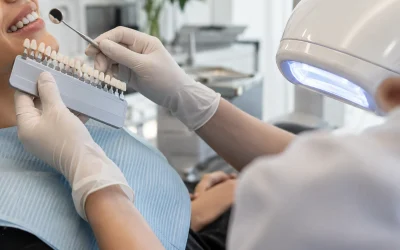
Any veneer plan is only as good as the dental laboratory and the design communication. At Smiles of Boca we collaborate with experienced ceramists and use digital shade mapping, photographs from multiple angles, and custom characterizations to ensure veneers mimic natural enamel depth and translucency. Generic packages seldom include this level of lab involvement, resulting in bland, monochromatic smiles.
Design workflow: how Smiles of Boca customizes every full smile veneer case
At our practice, every full smile veneer case follows a methodical workflow: comprehensive exam; photographic facial analysis; digital scans and bite records; diagnostic wax-up; mock-up trials; conservative tooth preparation (if needed); provisional testing; final porcelain fabrication with ceramist collaboration; and postoperative maintenance planning. Each stage is an opportunity to refine the plan and tailor details to patient feedback.
This process contrasts sharply with packaged offerings that skip provisional testing or limit adjustments to a single shade. Our provisional mock-ups allow patients to see and feel their new smile in real life, make changes to shape or length, and assess speech and chewing before we commit to final porcelain.
Customized material selection and durability planning
Not all porcelains are the same. For patients who prioritize ultra-natural translucency, layered feldspathic or pressed ceramics may be ideal. For cases requiring superior strength because of parafunction or limited enamel, high-strength lithium disilicate or zirconia-based solutions may be chosen. We weigh durability, aesthetics, and conservation of tooth structure to recommend the best material palette per patient.
Summary table: key elements of a tailored veneer plan
| Planning Element | What We Evaluate | Why It Matters |
|---|---|---|
| Facial Analysis | Lip line, facial proportions, smile arc | Ensures teeth complement the face and avoid artificial look |
| Bite & Function | Occlusion, bruxism, jaw health | Prevents fractures and improves long-term success |
| Material & Lab | Porcelain type, ceramist skill, color mapping | Balances strength and natural translucency |
Real-world comparisons: package approach vs. customized plan
To illustrate the difference, consider two hypothetical patients. Patient A selects a “top-tier veneer package” that includes eight pre-shaped veneers and a single shade choice. The lab follows a template and final restorations are delivered based on limited photos. Patient B undergoes a Smiles of Boca customized workflow: digital facial analysis, mock-up trials, iterative lab communication, and material selection matched to bite forces.
Patient A may get a faster turnaround and lower upfront cost, but risks include mismatched tooth proportions, improper incisal edge design, and potential failure due to unaddressed bite issues. Patient B invests more time and expense upfront but receives a durable, natural-looking smile with a predictable maintenance plan. For many patients, that extra investment translates to a one-time transformation instead of repeated repairs.
Practical example: an aesthetic preview (mock-up) revealed that Patient B’s proposed lengthening made their smile look too prominent in short-form photographs. Adjusting tooth length in the mock-up avoided an expensive redo after final placement. That step is often missing in prebuilt packages.
Costs, timelines, and what to expect
Customized full smile veneers vary in cost based on materials, the number of teeth treated, preparatory work such as orthodontics or periodontal procedures, and lab complexity. Timelines reflect the same variables: a conservative route with provisional trials and staged treatment may take several weeks to a few months, while rushed package workflows can be faster but carry hidden risks.
At Smiles of Boca we provide transparent estimates after a comprehensive consultation and diagnostic workup. Our priority is a predictable result; that sometimes means recommending pre-restorative steps like Invisalign to align teeth for ideal veneer placement. While that adds time, it reduces long-term complications and often produces a more elegant, natural outcome.
Example timeline: A typical customized full smile case might include two planning visits for photos and digital scans, a third visit for the diagnostic mock-up, two to three weeks for provisional fabrication and trial adjustments, and a final appointment for bonding. Post-placement follow-up ensures function and esthetics remain stable.
Aftercare and longevity: protecting your investment
Veneers require sensible maintenance. Customized plans often include protective measures tailored to your risk profile: nightguards for bruxers, periodic occlusal checks, and removal of risk factors like high spots in the bite. Good hygiene and regular professional care preserve both the porcelain and the underlying natural teeth.
For example, a patient with tooth wear due to acid erosion was prescribed dietary counseling, topical fluoride, and a protective nightguard along with their final veneers. That combination preserved the restorations and reduced sensitivity, showing how integrated aftercare is part of successful customization.
Choosing Smiles of Boca for a premium, natural-looking transformation
Smiles of Boca positions itself as a destination for patients who want more than a generic makeover. We emphasize individualized planning, advanced diagnostics, and collaboration with skilled ceramists. Our consultative approach ensures the veneers are designed for you, not forced to conform to a prebuilt package—resulting in smiles that look lived-in, proportionate, and stable over time.
Our team listens to your goals, assesses your functional needs, and presents options with clear trade-offs. Whether your priority is the subtlest enhancement or a dramatic smile transformation, we create a plan that aligns with your lifestyle and oral health priorities.
Cosmetic Dentistry in Boca Raton
Get expert dental care and a personalized treatment plan designed for you.
How to start: the consultation that sets the tone
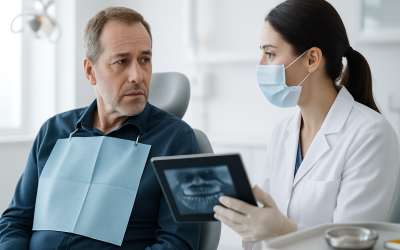
Your initial consultation at Smiles of Boca includes an in-depth discussion of goals, intraoral photography, digital scans, and a facial analysis. We provide a clear treatment roadmap with milestones and optional enhancements so you can decide at each step. Our consultations are designed to educate and empower, not to push one-size-fits-all packages.
If you’re weighing the question do i need veneers or full smile restoration, bring photographs of your desired smile and daily lifestyle concerns. These visual references help the team understand your preferences and let us demonstrate how different approaches would look on you through digital mock-ups and provisional testing.
Final thoughts: value of customization over convenience
Full smile veneers boca raton can be transformative, but the real value emerges when restorations are crafted to the individual’s anatomy, function, and aesthetic preferences. Quick packages may save time and money upfront, but they often cost more in adjustments, replacements, and disappointment. A tailored veneer plan at Smiles of Boca focuses on one-time excellence—a natural, functional smile that stands the test of time.
To explore whether veneers are right for you and to get a customized roadmap to your best smile, schedule a cosmetic consultation in Boca Raton with Smiles of Boca. Our team will walk you through options, realistic outcomes, and the step-by-step plan tailored to your needs.