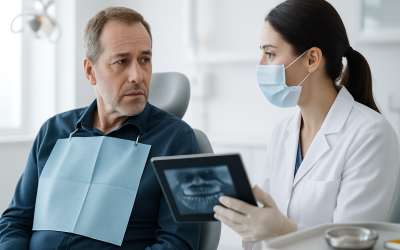
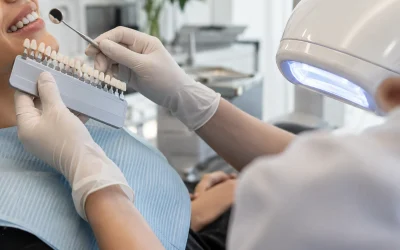
If you’re searching “do veneers come off?” because yours feels loose, looks chipped, or has suddenly detached, you’re dealing with a common—but fixable—problem. Veneers can come off for predictable reasons like bonding issues, bite stress, or trauma, and the right solution depends on the cause. This guide breaks down what dentists check, what not to do at home, and which repairs tend to hold up best long term.
Quick reality check: do veneers come off, and when should you worry?
Veneers are durable, but they are not indestructible. Detachment is uncommon and usually tied to bonding, bite forces, trauma, or changes under the veneer. If you want a focused clinical overview of detachment signs and risks many patients ask about, read do veneers fall off to understand when a check is warranted.
When a veneer loosens, timing matters. Early evaluation often allows conservative fixes, while delays can expose the tooth or complicate bonding.
Root causes when veneers come off and the fixes that last
Most veneer detachments aren’t random. They usually trace back to a few predictable causes, and the most durable repair depends on identifying the exact trigger.
- Bonding and isolation issues: Moisture contamination during cementation can weaken adhesion. A long-lasting fix often means cleaning both surfaces and re-bonding with proper isolation and the correct adhesive protocol.
- Preparation or fit problems: If the veneer margin isn’t flush or the tooth shape doesn’t support the veneer well, stress concentrates and failure is more likely. In these cases, adjusting the fit or replacing the veneer tends to be more reliable than repeated re-cementation.
- Bite forces and bruxism: Grinding and clenching create shear forces that slowly disrupt the bond. Durable repairs often include bite adjustment and a custom nightguard to protect the margin and cement layer.
- Material-related limits: Composite veneers can be repaired more easily but are more prone to chipping and edge wear. Porcelain is stronger and more stain-resistant, but a fracture typically requires replacement rather than patching.
- Trauma or impact: Falls, sports injuries, and biting hard objects can dislodge a veneer and injure the tooth underneath. An in-person exam is essential to rule out cracks and plan the safest restoration.
- Decay or structural changes under the veneer: Cavities at the margin or a tooth that later needs a root canal may require removing the veneer, treating the underlying problem, and rebuilding before placing a new restoration.
What to do right away and what not to do at home
A loose veneer can feel urgent, but most situations are manageable when you respond the right way. Knowing what to do immediately—and what to avoid—can protect the tooth underneath and make re-bonding or repair more predictable.
Immediate, safe steps: A short explanation helps you avoid worsening the problem.
- Save the veneer if it comes off and keep it clean and dry
- Avoid chewing on the affected side
- Call for an exam as soon as possible
Avoid these at-home actions: These can compromise the tooth and the repair.
- Do not glue the veneer back on
- Do not force it into place
- Do not file the tooth or veneer
Prompt care increases the chance of a conservative fix.
How durable veneers are and why some fail sooner
Longevity depends on material, technique, bite, and habits. Porcelain veneers commonly last a decade or longer with good care, while composite often needs maintenance sooner. Adhesion to healthy enamel, polished margins, and controlled bite forces are the biggest predictors of service life.
Scenario-based repairs: choosing the fix that actually lasts
The right repair matches the cause. A clean debond with intact porcelain can often be re-bonded successfully. Fractures or poor fit usually call for replacement. If decay or structural loss is present, rebuilding with an onlay or crown may be safer. To see how preparation and bonding affect outcomes, review the dental veneers process and how each step protects the margin.

Cosmetic Dentistry in Boca Raton
Get expert dental care and a personalized treatment plan designed for you.
Repair options by cause: what dentists typically recommend
Clear cause-to-solution mapping helps set expectations.
Common causes and durable solutions: A brief overview keeps choices practical.
- Bond failure with intact veneer: clean and re-bond with improved isolation
- Fractured porcelain: replace with a new porcelain veneer
- Chipped composite: direct repair or replacement
- Decay beneath veneer: remove, treat decay, then restore appropriately
The best option preserves tooth structure while restoring function and aesthetics.
Maintenance that lowers the chance veneers come off
Good maintenance isn’t just about keeping veneers looking bright—it’s what protects the bond and the edges where failure usually starts. Small daily habits and the right protective measures can reduce stress on the cement layer and help prevent loosening over time.
Daily and protective measures: Consistency matters more than intensity.
- Non-abrasive toothpaste and gentle brushing
- Avoid biting hard objects
- Wear a nightguard if you grind
- Keep routine exams to catch early margin changes
These steps reduce micro-movement and leakage over time.
Quick comparison of fixes, timelines, and next steps
Different problems move at different speeds. The table below summarizes typical pathways.
Common veneer issues and care pathways: This snapshot helps you plan.
| Problem | Likely fix | Typical timeline |
|---|---|---|
| Loose veneer, intact porcelain | Re-bond after cleaning | One visit |
| Chipped composite | Direct repair | One visit |
| Fractured porcelain or poor fit | Replace veneer | Multiple visits |
Early care usually shortens timelines.
Red flags that need an exam in Boca Raton
Some signs signal urgency. Persistent pain, swelling, temperature sensitivity, visible gaps, or multiple veneers loosening together warrant prompt evaluation. These can indicate infection, decay, or bite issues that threaten the tooth beneath the veneer.
Local considerations for Boca Raton patients
Material choice, scheduling, and follow-up influence outcomes. For patients considering porcelain options locally, expectations around color stability and durability are best reviewed with porcelain veneers Boca Raton so the repair or replacement aligns with long-term goals.
Cosmetic Dentistry in Boca Raton
Get expert dental care and a personalized treatment plan designed for you.
Dentist checklist: what we evaluate
A thorough evaluation prevents repeat failures.
- Inspect margins for gaps, stains, or fractures
- Test bond integrity and feasibility of re-bonding
- Review imaging for decay or structural loss
- Analyze bite forces and bruxism
- Assess material type and repairability
- Check gum health around margins
- Align expectations on color, longevity, and maintenance
- Recommend protective devices if indicated
A clear plan follows these findings.
Decision guide for common scenarios
Clear routing helps patients decide quickly. If the veneer is intact and painless, re-bonding may work. If fractured, replacement often lasts longer. Pain or swelling points to underlying disease that must be treated first. Repeated failures or bite issues suggest a broader occlusal plan before cosmetic work proceeds.
Why Choose Smiles of Boca
Smiles of Boca combines cosmetic precision with preventive priorities. Advanced diagnostics, careful bonding protocols, and bite analysis help repairs last. Patients value clear options, conservative care, and results that fit their goals.
Do veneers come off? Here’s the practical takeaway
Yes, veneers can come off—but the cause usually points to a fix that lasts. Early evaluation preserves options, avoids damage, and restores confidence. Smiles of Boca provides tailored repairs and replacements grounded in durable technique.
Ready to get clarity on a loose or damaged veneer?
Smiles of Boca can evaluate the bond, margins, and bite, check the tooth underneath, and explain the most reliable next step—whether that’s re-bonding, repair, or a long-term replacement plan tailored to your smile goals.