The digital smile design cost depends on the level of diagnostic planning your smile requires and the treatments needed to reach the proposed result. The planning phase may involve digital records, photographs, scans, simulations, mock-ups, and evaluation of your bite and oral health, while the larger investment is usually shaped by whether your plan includes veneers, bonding, whitening, crowns, Invisalign, or other care. Read on to understand the factors that shape pricing and how a personalized plan can bring greater clarity to your investment.
Why digital smile design cost is not one fixed number
Patients often look for a single price because they want a clear starting point. However, digital smile design is a planning process rather than one identical product. One patient may need a straightforward cosmetic preview for minor bonding, while another may require detailed records, bite analysis, periodontal care, orthodontic movement, and several restorations. The scope of those needs changes the time, technology, materials, and coordination involved.
At Smiles of Boca, the goal of planning is to translate your priorities into a realistic clinical path. If you want a brighter smile, more balanced tooth proportions, fewer visible gaps, or a more natural-looking restoration, the dentist evaluates whether the desired improvement can be achieved conservatively. That helps avoid paying for treatment that does not address the reason you are dissatisfied with your smile.
Planning fees versus treatment fees
Digital planning and the dental procedures that follow should be understood as separate parts of the overall investment.
Depending on the individual case and treatment plan, the planning phase may involve:
- Digital scans
- Clinical photographs
- Diagnostic imaging when indicated
- Bite evaluation
- Digital simulations
- Mock-ups or models
- Review of treatment alternatives
The procedures used to carry out the final plan—such as veneers, crowns, Invisalign, whitening, bonding, or implants—have their own costs based on complexity and the number of teeth involved.
A clear estimate should help you distinguish between the planning phase and the treatments recommended afterward. It should also identify dental or periodontal needs that may need attention before elective cosmetic care begins.
6 Factors That Shape Digital Smile Design Cost and Your Treatment Plan
1. The depth of diagnostic records
Digital records provide the foundation for treatment planning. Depending on your concerns, the evaluation may include facial and intraoral photographs, digital scans, X-rays when clinically indicated, bite records, and an assessment of your existing restorations and oral health.
More comprehensive cases may require more extensive documentation because the dentist needs to evaluate factors such as:
- Tooth position and proportions
- Gum levels
- Smile symmetry
- Existing restorations
- Tooth wear
- Bite relationships
- Available enamel and tooth structure
The amount of diagnostic planning can therefore influence digital smile design cost before any cosmetic procedure is selected.
Patients considering a larger cosmetic change can learn more about Digital Smile Design in Boca Raton and how the service at Smiles of Boca uses digital planning to coordinate aesthetic goals with the clinical condition of the teeth and gums.
The objective is not to produce the same idealized smile for every patient. A useful plan should reflect your facial features, tooth structure, oral health, and personal priorities.
2. The number and condition of teeth
A single chipped tooth repaired with bonding has a very different cost profile from a full upper smile makeover. Pricing is influenced by how many teeth need attention, whether they are healthy enough for conservative treatment, and whether existing crowns, fillings, wear, cracks, or discoloration complicate the plan. Treating more teeth may improve harmony, but it also requires more materials, laboratory work, chair time, and follow-up care.
Teeth do not need to be treated in matching numbers for every patient. Someone with uneven front edges may benefit from bonding on two teeth, while another patient may need six to ten restorations to create a balanced visible smile. A good plan explains why each tooth is included rather than encouraging unnecessary work.
3. Whether Oral Health or Bite Problems Need Attention First
Cosmetic improvements last best when gums, teeth, and bite are stable. Cavities, gum disease, tooth grinding, worn enamel, infection, or an unstable bite may need to be addressed before cosmetic work begins. These preliminary services can affect the total investment and timeline, yet skipping them may place new restorations at risk.
For instance, a patient who wants veneers to cover short, worn teeth may first need an evaluation of nighttime clenching. A protective night guard, bite adjustment, or restorative strategy may be recommended so veneers are not asked to withstand forces they were not designed to handle. Thoughtful sequencing protects both appearance and durability.
4. The Combination of Treatments Selected
One of the most important factors affecting digital smile design cost is what happens after the planning phase. The same cosmetic concern may have more than one possible solution. For example:
- Mild spacing may be addressed with bonding, Invisalign, veneers, or a combination of treatments.
- Discoloration may improve with whitening before restorations are considered.
- Crowded teeth may benefit from orthodontic movement before cosmetic treatment.
- A structurally weakened tooth may require a crown rather than a veneer.
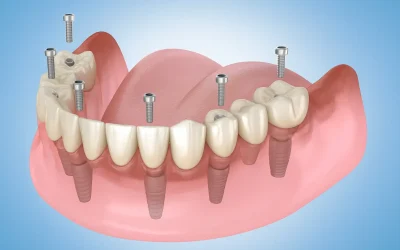
- Missing teeth may require implant or restorative planning.
If you want additional background on what smile design involves, Smiles of Boca has a separate guide explaining the broader concept. For this cost decision, the important point is that digital planning does not automatically commit you to one cosmetic procedure.
Instead, it provides a framework for comparing treatment paths and discussing which option makes sense for your teeth, goals, and budget.
5. Laboratory Craftsmanship, Materials, and Mock-Ups
When veneers, crowns, or other custom restorations are included in the treatment plan, laboratory work becomes an important component of the overall investment. Natural-looking ceramic restorations require consideration of more than tooth color. Shape, translucency, surface texture, proportions, contours, and how the teeth interact with the lips and surrounding smile all contribute to the final result.
Depending on the case, planning may also involve:
- Digital or physical mock-ups
- Wax-ups
- Temporary restorations
- Shade selection
- Laboratory communication
- Try-in appointments
These additional steps can add time and cost, but they also give the dentist and patient opportunities to evaluate proposed changes before final restorations are completed.
A mock-up, for example, may help you assess tooth length, general proportions, speech, or how much change feels appropriate before moving to the definitive stage.
6. Clinical Expertise, Planning Time, and Follow-Up
Digital technology does not make treatment planning automatic. The images and simulations still need to be interpreted in the context of your enamel, gums, bite, tooth position, restorations, and treatment goals. More complex cases generally require additional clinical judgment and coordination.
Follow-up care can also influence the overall scope of treatment. Depending on the procedures involved, visits may be needed to review:
- Comfort
- Bite
- Gum response
- Hygiene
- Restorations
- Retention after orthodontic treatment
- Protective appliances when indicated
When comparing digital smile design cost between practices, look beyond the initial number. Ask what diagnostic work, planning, treatment, adjustments, and follow-up are included so that you are comparing similar scopes of care.

Cosmetic Dentistry in Boca Raton
Get expert dental care and a personalized treatment plan designed for you.
What a Smile Design Consultation May Include
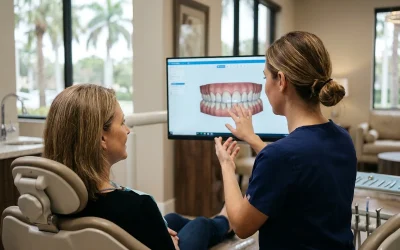
A smile design consultation is an opportunity to discuss what you would like to change and why. You may bring photos, identify concerns such as uneven edges or dark teeth, and share practical needs such as an upcoming wedding, professional event, or preference for a gradual treatment schedule. The clinical team then reviews the health and structural conditions that affect what is possible.
Depending on the case, your visit may include digital scans, photographs, X-rays, oral health screening, bite evaluation, shade analysis, and a discussion of alternatives. The dentist may also explain which concerns should be managed before elective cosmetic work. This makes the process more transparent and helps you understand the value behind the digital smile design cost.
| Planning element | How it informs treatment | Potential effect on investment |
|---|---|---|
| Digital scans and photos | Documents tooth position, proportions, and current condition | Adds diagnostic detail and improves communication |
| Bite and gum evaluation | Identifies health or functional priorities before cosmetic care | May introduce necessary preliminary treatment |
| Mock-up or wax-up | Allows review of possible shape and length changes | Can add laboratory and appointment time |
| Final treatment selection | Matches the approach to goals, enamel, and function | Varies by materials, number of teeth, and complexity |
The purpose of the consultation is not simply to generate an attractive preview. It should help answer which treatments are appropriate, what should happen first, and how the proposed plan relates to your total investment.
Questions that lead to a clearer estimate
Before accepting a treatment plan, ask:
- What is included in the planning phase?
- Are scans, photographs, simulations, or mock-ups included?
- Which treatments are necessary and which are optional?
- Is any dental or periodontal care needed first?
- How many teeth are included in the proposed treatment?
- What laboratory or temporary work is expected?
- How many appointments are anticipated?
- What follow-up or maintenance should I expect?
These questions are especially useful when comparing estimates from different practices. Two plans may both mention veneers, for example, while differing substantially in the number of teeth, diagnostic records, provisional restorations, laboratory involvement, appointments, and follow-up. Comparing the complete scope gives you more useful information than comparing one total number.
How Digital Planning Supports Cosmetic and Restorative Choices
Digital planning can help patients understand the tradeoffs between different treatments. It does not guarantee an identical final result to a simulation, because biology, materials, lighting, and clinical realities matter. Still, it gives the dentist and patient a shared visual reference for discussing proportions, tooth display, symmetry, and the amount of change being considered.
Veneers, bonding, and whitening
For veneers, planning helps determine whether traditional porcelain veneers, more conservative no-prep options, or another restorative approach is appropriate. The condition and position of your natural teeth are essential. No-prep veneers may be suitable in selected situations, but they are not automatically the best choice for every smile, particularly when teeth already project forward or need major color correction.
Whitening and bonding may be useful as stand-alone treatments or as part of a staged plan. For example, whitening first may allow a patient to choose a brighter baseline before bonding minor chips. Bonding can be a conservative option for small gaps or uneven edges, while porcelain may offer different stain resistance and durability characteristics for larger aesthetic changes.
Crowns, Implants, and Invisalign
Digital Smile Design can also support planning when a smile includes structural or alignment concerns. A crown may be considered when a tooth requires more extensive structural restoration. Implant planning for a missing tooth needs to consider the surrounding teeth, gums, available bone, and the desired final tooth position.
When spacing or crowding affects the cosmetic plan, Invisalign may be considered before restorative treatment. Moving teeth into more favorable positions can sometimes support a more conservative restorative approach later.
For readers who want to understand the workflow in more detail, the guide to the digital smile design process explains how digital records, simulations, and physical mock-ups can be used during treatment planning.
The important cost consideration is that Digital Smile Design can reveal whether your desired result requires one procedure or a coordinated combination of treatments.
Cosmetic Dentistry in Boca Raton
Get expert dental care and a personalized treatment plan designed for you.
How to Compare Digital Smile Design Cost Beyond the Initial Price
The most useful way to compare digital smile design cost is to understand what each treatment plan is asking you to invest in. A thorough evaluation may identify whether your cosmetic concern is connected to tooth wear, grinding, gum health, older dental work, tooth position, or bite relationships. Addressing those factors before definitive cosmetic treatment can help create a more appropriate foundation for the final result.
When comparing providers, consider:
- How thoroughly your oral health and bite are evaluated
- Whether treatment alternatives are explained
- How digital planning is used
- Whether conservative options are discussed
- What is included in the estimate
- How existing dental work is incorporated into the plan
- What follow-up and maintenance are expected
If provider selection is part of your decision, Smiles of Boca’s guide to choosing a smile design dentist in Boca Raton explains how digital planning, treatment options, and clinical considerations can be evaluated before treatment begins. Price matters, but it should be interpreted alongside the scope of the plan.
A lower estimate may represent a simpler case or fewer included services. A higher estimate may involve more teeth, additional procedures, laboratory work, or a more extensive planning process. Neither number can be evaluated properly without understanding what it includes.
Consider the lifetime care commitment
Cosmetic and restorative dentistry requires ongoing care. Veneers, crowns, bonding, implants, and aligner results all benefit from regular examinations, good home hygiene, and appropriate protective appliances when indicated. Restorations can eventually need repair or replacement, and lifestyle habits such as smoking, chewing ice, or using teeth as tools can shorten their lifespan.
It is reasonable to discuss payment options and phased treatment if a complete plan is not ideal for your current budget. In some cases, the dentist can prioritize health needs, complete whitening or aligner therapy first, then schedule restorative improvements later. A phased approach should still be guided by the final objective so early decisions support—not compromise—the long-term outcome.
Choose a Smile Design Plan You Understand
Your smile is personal, and the best treatment plan balances appearance, biology, comfort, timing, and budget. Digital tools can make the decision-making process easier by creating a clear starting point, but the most important component remains the conversation between you and your dentist. Honest discussion about goals and limitations is what turns technology into meaningful guidance.
Before moving forward, make sure you understand the recommended sequence, what is included in each phase, and how the plan protects your natural teeth whenever possible. When treatment planning is built around health and lasting function, your cosmetic investment can feel more predictable, purposeful, and aligned with the smile you want to enjoy for years.