Dental bonding for chipped tooth repair can restore a damaged edge, improve smile appearance, and protect the tooth when the damage is suitable for a conservative cosmetic treatment. However, bonding is not the right solution for every chip. The ideal repair depends on factors such as the amount of missing tooth structure, the location of the damage, bite pressure, and whether there is hidden trauma or a deeper dental concern.
This guide explains when chipped tooth bonding may work well, what affects treatment decisions and cost, how bonding compares with veneers and crowns, and when a chipped tooth requires urgent dental attention.
1. When dental bonding for chipped tooth damage works well
Dental bonding uses a tooth-colored composite resin that is carefully shaped and applied directly to the damaged area. It is commonly used for small-to-moderate chips, uneven enamel edges, minor fractures, and small areas where a portion of the tooth has broken away.
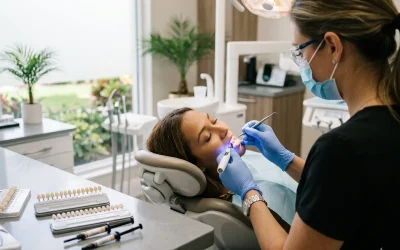
During treatment, the dentist selects a composite shade that matches the surrounding enamel, layers the material to recreate the natural contour of the tooth, and then hardens and polishes the restoration. Because bonding is a conservative procedure, it can often improve the appearance of a chipped tooth while preserving much of the existing healthy structure.
A good candidate for chipped tooth bonding is usually someone with:
- A stable tooth without signs of infection or significant structural damage.
- Healthy gums and sufficient enamel for the composite material to adhere.
- A small or moderate chip caused by minor trauma, wear, or an accident.
- A cosmetic concern involving shape, symmetry, or a rough edge.
Common situations where composite bonding may be considered include:
- A small corner chip on a front tooth that does not involve the nerve.
- A sharp edge that irritates the tongue or lips.
- Minor enamel damage caused by an accident or daily wear.
- A visible tooth that needs a conservative cosmetic improvement.
Patients interested in this approach can explore cosmetic dental bonding as part of a personalized consultation. The objective is not only to cover the damaged area, but also to restore a comfortable shape that supports normal speech, chewing, and appearance.
2. The condition of the tooth matters as much as the chip
A chipped tooth should not be evaluated only by how large the visible damage appears. A small fracture can sometimes involve weakened enamel, an existing restoration, a crack extending deeper into the tooth, or trauma that affects the internal structure.
Before recommending dental bonding for chipped tooth repair, a dentist evaluates factors such as:
- Tooth sensitivity or pain.
- Signs of cracks or structural weakness.
- The condition of surrounding gums.
- The way the upper and lower teeth contact each other.
- Whether the tooth has experienced previous repairs or trauma.
X-rays, photographs, or additional testing may be recommended when there is concern about damage that cannot be seen during a visual examination. This helps ensure that a cosmetic repair does not hide a problem requiring different treatment.
The location of the chip also influences whether bonding is appropriate. A small defect on a front tooth with minimal chewing pressure may respond well to composite. However, a tooth exposed to stronger forces, repeated biting stress, or grinding may require a different approach to reduce the chance of future damage.
A personalized evaluation is especially important because the same type of chip can have different treatment recommendations depending on the patient. A repair should improve the smile while also supporting long-term tooth health.
Smiles of Boca considers both aesthetic goals and functional needs when discussing cosmetic dental treatments. Patients with a chipped tooth benefit from understanding not only how the tooth looks, but also why the damage occurred.

Cosmetic Dentistry in Boca Raton
Get expert dental care and a personalized treatment plan designed for you.
3. When a veneer or crown may be the better repair
Although dental bonding for chipped tooth repair can be effective for many minor fractures, it is not always the most appropriate long-term solution. Larger chips, repeated breakage, significant cosmetic concerns, or weakened tooth structure may require a different restoration.
A porcelain veneer may be considered when a front tooth has a larger visible defect, repeated edge chipping, or when the patient wants a broader cosmetic improvement beyond repairing a single area. Veneers cover the front surface of the tooth and can provide a more comprehensive aesthetic result when the tooth structure is suitable.
Patients comparing chipped tooth bonding with other cosmetic options can review porcelain veneers in Boca Raton to understand when porcelain may provide a better match for their goals. Veneers typically require more planning than bonding and may involve enamel preparation, but they can offer long-term color stability and a refined appearance.
A dental crown may be recommended when the tooth has more extensive damage, such as:
- A large fracture affecting a significant portion of the tooth.
- A weakened tooth with limited remaining structure.
- A large existing filling combined with structural concerns.
- Damage that affects the strength of the tooth rather than only its appearance.
Crowns cover the entire visible portion of the tooth and can provide additional protection when bonding alone would not provide enough support.
The best option depends on the condition of the tooth, not only the size of the chip. A conservative repair is valuable when it solves the problem effectively, but choosing a stronger restoration may help avoid repeated repairs when the tooth requires greater protection.
Bonding, veneer, or crown at a glance
| Repair option | Often best for | Key consideration |
|---|---|---|
| Composite bonding | Small chips, minor edge damage, and conservative cosmetic repairs | Preserves more natural tooth structure but may require maintenance over time. |
| Porcelain veneer | Larger visible front-tooth concerns and broader cosmetic improvements | Provides strong aesthetics and color stability with a more involved treatment process. |
| Dental crown | Extensive fractures, weakened teeth, or large existing restorations | Offers greater coverage and protection but requires more tooth preparation. |
4. Chipped tooth bonding cost depends on the details
The cost of chipped tooth bonding varies because each repair depends on the size of the damage, the location of the tooth, the amount of composite resin required, and the complexity of recreating the natural shape and color. A small enamel chip usually requires less time and material than rebuilding a larger section of a tooth or repairing damage involving previous restorations.
Several factors can influence the overall cost of dental bonding for chipped tooth repair, including:
- The size and location of the chip.
- Whether the repair requires additional diagnostic evaluation.
- The complexity of shade matching and contouring.
- Whether the tooth has previous fillings or cosmetic treatments.
- Whether bite adjustments or protective measures are needed.
It is also important to consider long-term value rather than only the initial price. Bonding can be an excellent option when it provides a conservative solution for a healthy tooth. However, if a repair repeatedly chips because of grinding, strong bite forces, or an underlying structural issue, a different treatment approach may provide better value over time.
Insurance coverage depends on the reason for treatment and the details of the dental plan. Repairs caused by trauma or functional concerns may be evaluated differently from procedures performed primarily for cosmetic improvement. Before treatment, patients should request a clear estimate and ask what is included, such as examinations, X-rays, adjustments, and follow-up care.
Understanding these factors helps patients compare options realistically and choose a repair based on both appearance and the long-term condition of the tooth.
5. Durability depends on bite habits and aftercare
Composite bonding can provide a natural-looking repair for many chipped teeth, but it is important to understand that resin does not have the same strength as natural enamel. The durability of chipped tooth bonding depends on the size of the repair, where it is located, the patient’s bite, and daily habits.
A bonded tooth may experience more stress when exposed to:
- Biting hard foods directly with the repaired edge.
- Chewing ice, pens, or other hard objects.
- Nail biting or using teeth as tools.
- Teeth grinding or clenching during sleep.
Proper aftercare can help protect the restoration and maintain its appearance. Patients should continue regular brushing, flossing, and professional cleanings while avoiding habits that place unnecessary pressure on the repaired area.
Regular dental examinations are also important because repeated chipping may indicate more than a cosmetic concern. If the same tooth continues to break, the cause may involve bite imbalance, excessive pressure, enamel weakness, or a hidden crack that requires further evaluation.
For patients who grind their teeth or experience jaw tension, a dentist may recommend additional protection, such as a nightguard, to reduce stress on the restoration.
A successful repair is not only about restoring the missing piece of tooth structure. It also involves understanding why the chip occurred and creating a plan that supports the tooth over time.
Cosmetic Dentistry in Boca Raton
Get expert dental care and a personalized treatment plan designed for you.
6. Know when a chipped tooth needs urgent attention
Not every chipped tooth requires emergency treatment, but some signs indicate that professional evaluation should happen quickly. A small cosmetic chip may be suitable for scheduled bonding, while symptoms involving deeper damage require a different response.
Seek prompt dental attention if the chipped tooth involves:
- Severe or persistent pain.
- Significant sensitivity to hot or cold.
- Swelling around the tooth or gums.
- Visible pink or red tissue inside the tooth.
- A loose tooth after trauma.
- A fracture extending toward or below the gumline.
- Difficulty closing your bite normally.
These symptoms may indicate that the damage extends beyond the enamel and could involve the inner structures of the tooth.
If the chip occurred because of an accident, save any broken tooth fragment if possible. Place it in milk or saliva and bring it to the dental appointment, as it may provide useful information during evaluation. Rinse gently with warm water and avoid chewing on the affected side until the tooth has been examined.
For significant trauma, swelling, severe pain, or a major fracture, seek dental emergency care in Boca Raton as soon as possible. Early evaluation can help reduce discomfort and provide more treatment options for preserving the natural tooth.
7. A thoughtful repair protects more than your smile
Dental bonding for chipped tooth repair can be an effective option when the damage is limited and the tooth has enough healthy structure to support a conservative restoration. It can improve appearance, restore a smooth edge, and help patients feel more confident about their smile without immediately moving to a more extensive procedure.
However, the best repair is not always the fastest repair. A successful treatment plan considers:
- Why the tooth chipped.
- How much structure remains.
- Whether the bite creates additional stress.
- The patient’s cosmetic goals.
- The long-term protection the tooth requires.
During a consultation, explain how the chip happened, whether you have experienced sensitivity, and whether the area has been repaired before. Information about habits such as grinding, sports activities, nail biting, or chewing hard objects can help the dentist determine whether composite bonding, a veneer, or another restoration is the most appropriate option.
Patients comparing chipped tooth bonding options should focus on finding a solution that balances aesthetics, function, and long-term oral health. A properly planned repair should feel comfortable, look natural, and support the health of the tooth rather than simply hide the visible damage.