When facing dental problems, understanding the difference between crown vs root canal is crucial for making an informed decision. At Smiles of Boca in Boca Raton, Florida, we are committed to providing accurate diagnoses and tailored treatments that combine both function and esthetics.
Below, we break down what each procedure involves, when it’s recommended, their benefits, limitations, and how they often work together to preserve your smile.
What Is a Root Canal?
A root canal is a procedure that treats a tooth with deep decay, trauma, or pulp infection. The goal is to eliminate diseased tissue, disinfect the canals, and seal them to relieve pain and prevent reinfection.
When Do You Need a Root Canal?
- Persistent toothache or pain when chewing
- Lingering sensitivity to hot or cold
- Gum swelling or tenderness near the tooth
- Tooth discoloration or radiographic evidence of pulp damage
How the Procedure Works
- Local anesthesia and rubber dam isolation
- Access to the pulp chamber and removal of infected tissue
- Cleaning and disinfection of the root canals
- Filling with a biocompatible material and sealing
- Final restoration (onlay or crown, depending on structure loss)
Benefits and Considerations
- Preserves your natural tooth and chewing function
- Typically completed in 1–2 visits
- May require a crown afterward for long-term protection
- Low but possible risk of retreatment if reinfection occurs
What Is a Dental Crown?
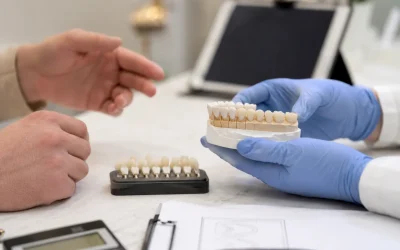
A dental crown is a custom-made “cap” that covers and reinforces a weakened or damaged tooth. Unlike a root canal, which treats the inside, a crown protects and restores the outer structure.
When Do You Need a Crown?
- To protect a weak tooth from breaking
- To restore a fractured or severely worn tooth
- To cover and support a large filling
- To restore a tooth after a root canal
- To serve as a bridge anchor or cover a dental implant
- For cosmetic enhancement
Materials and Options
- Lithium disilicate/ceramic: balances esthetics and strength
- Zirconia: very strong, ideal for molars and patients with bruxism
- Porcelain-fused-to-metal: durable with acceptable esthetics
How the Procedure Works
- Careful reshaping of the tooth
- Digital scan or impression and provisional crown
- Final crown cemented with adhesive or conventional techniques
Benefits and Considerations
- Restores strength, shape, and esthetics
- Protects against fractures and marginal leakage
- Requires tooth preparation and ongoing hygiene for durability
Crown vs Root Canal: Key Differences
Primary Purpose
- Root canal: Removes infection from inside the tooth.
- Crown: Reinforces and protects the outer tooth structure.
Indications
- Root canal: Deep decay, pulp inflammation, or infection.
- Crown: Structurally weakened tooth or restoration after root canal.
Timeline and Complexity
- Root canal: 1–2 visits plus final restoration.
- Crown: Typically 2 visits (or one with digital workflows).
Longevity and Maintenance
- Root canal: Long-lasting with proper seal and restoration.
- Crown: Excellent survival when margins are well adapted and oral hygiene is maintained.
Cost Considerations
- Root canal: Lower upfront cost but may require crown afterward.
- Crown: Additional investment but ensures long-term protection.
Key insight: in many cases, the comparison crown vs root canal is not either/or—they often work together.
When Both Are Needed
A tooth that undergoes a root canal often becomes more brittle. Placing a crown afterward:
- Reinforces cusps and prevents fractures
- Improves sealing against bacterial leakage
- Restores esthetics and chewing efficiency
Clinical Factors That Guide the Decision
When evaluating crown vs root canal, your dentist will consider:
- Symptoms (persistent pain, thermal sensitivity, bite pain)
- Vitality testing and X-ray findings
- Amount of healthy tooth structure remaining
- Gum health, bite forces, and habits like bruxism
- Esthetic goals and lifestyle factors
A vital but weakened tooth may only need a crown. An infected tooth requires a root canal first, often followed by a crown for reinforcement.
Aftercare and Maintenance
After a Root Canal
- Avoid chewing hard foods until restored with a crown or onlay
- Brush and floss daily with fluoride toothpaste
- Regular follow-ups to monitor sealing and bite
After a Crown
- Clean thoroughly at the margins with floss or interdental brushes
- Avoid damaging habits like biting ice or opening packages
- Regular dental visits to check fit and integrity
The Final Word on Crown vs Root Canal
Choosing between crown vs root canal depends on the underlying issue: the root canal addresses internal infection, while the crown restores and protects external structure. Often, both are recommended to ensure durability, comfort, and long-term success.
At Smiles of Boca, we take a comprehensive approach (evaluating symptoms, vitality, imaging, and bite analysis) to recommend the most predictable treatment plan. Schedule your consultation today and let our specialists guide you through the crown vs root canal decision with clarity and confidence.