Could you be allergic to a zirconia crown? A true allergy to zirconia is considered very rare, but some patients may experience irritation or sensitivity from metal alloys, crown cement, bonding agents, plaque buildup, or poor crown fit. This guide explains how dentists evaluate allergy risk, compare zirconia with metal-based crown options, and choose safer materials for sensitive patients.
Allergy vs sensitivity: what’s the difference and why it matters
Understanding the difference between an immune-mediated allergy and a non-allergic sensitivity is the first step in answering questions like “could i be allergic to zirconia crown.” A true allergy involves the immune system recognizing a substance as foreign and mounting a specific response, typically mediated by T-cells (delayed hypersensitivity) or IgE antibodies (immediate reactions). Symptoms can range from localized inflammation, persistent gum swelling, or patchy oral lesions, to systemic signs like rashes or, in very rare cases, difficulty breathing. In dental materials, delayed contact hypersensitivity (Type IV) is the most relevant.
By contrast, sensitivity or intolerance is non-immune and can present as chronic soreness, metallic taste, irritation, or mouth soreness that improves when the offending material or cement is removed. These reactions are often caused by corrosion products from metal alloys, high solubility or acidity from some cements, or mechanical issues (poor fit, rough margins) causing plaque retention and gingival reaction. Clinically, differentiating the two is important because management is different: true allergies may require avoiding the allergen entirely, while sensitivities might be managed by swapping to a different adhesive or improving fit and hygiene.
How patients commonly confuse the two
Many patients report symptoms like gum soreness, bad taste, or extra saliva and immediately assume they are allergic to the crown material itself. In practice, these complaints are frequently due to temporary inflammation after preparation, a reaction to provisional cement, or to metal ions released from an adjacent restoration rather than the crown material. A clear history and stepwise testing help identify whether a true immunologic allergy is present.
Common culprits behind reactions: metals, cements, and other causes
When concerns arise about allergy or sensitivity in restorative dentistry, the usual suspects include nickel in some metal alloys, traces of other base metals, and components of luting cements or bonding agents. Nickel is a well-known contact allergen and is present in many dental alloys used for PFM (porcelain-fused-to-metal) crowns or non-precious cast frameworks. Patients with known nickel dermatitis are at higher risk of oral mucosal reactions to nickel-containing dental alloys.
Cement sensitivities are another frequent source of trouble. Many conventional resin cements and adhesives contain monomers (for example, HEMA, MDP derivatives, or methacrylates) that can cause local irritation or contact allergy in sensitized individuals. Acidic or highly soluble cements can also cause prolonged tissue irritation if margins are poor. Even fluoride or chlorhexidine-containing materials can irritate some patients.
Less obvious triggers
Other culprits include contamination during cementation (for example, temporary cement remnants under margins), galvanic currents between different metals in the mouth producing a metallic taste, and microbiome shifts caused by rough surfaces that trap plaque. This means a patient who experiences a bad taste or gum irritation after a crown might not be “allergic” to zirconia at all; the problem can be mechanical, bacterial, or chemical from other sources.
Crown material profiles: zirconia, high-noble alloys, and PFM options
Zirconia is a ceramic made from zirconium dioxide. It’s prized for strength, a neutral color, and excellent biocompatibility. Unlike metal alloys, zirconia does not corrode or release metal ions into the mouth under normal conditions, which is why it is often recommended when metal hypersensitivity is a concern. Zirconia crowns are typically used on posterior teeth where strength matters, and newer generations also perform well aesthetically in the anterior zone.
High-noble alloys (gold-based) have a long track record in dentistry. They are highly resistant to corrosion and, for many patients, are well tolerated. Because gold alloys contain a high percentage of noble metals (gold, platinum, palladium), they are often less likely to cause allergic reactions than some base-metal alloys. However, palladium and other trace metals can still be problematic for a small subset of patients.
Porcelain-fused-to-metal (PFM) crowns combine a metal substructure with a porcelain overlay. The metal provides strength while porcelain gives tooth-like esthetics. The metal portion is where allergy risk originates—if the underlying alloy contains nickel or other allergy-prone elements, a patient sensitive to those metals can react. Even a PFM with a thin porcelain margin can cause symptoms if the metal is exposed or corrodes at the margins.
How cement and adhesives factor into perceived “biocompatibility”: the adhesive layer is the interface between the crown and the tooth. A neutral, well-bonded interface reduces microleakage, irritation, and bacterial ingress. Some cements are more biologically inert (glass ionomer, some modern resin-modified glass ionomers) while certain resin cements contain monomers that are recognized contact allergens. Therefore, when patients ask “could i be allergic to zirconia crown,” it’s important to consider not just the crown material but the cement system used and whether provisional cements or temporary residues might be the real cause of symptoms.
For patients considering a metal-free restoration, this guide to a zirconia crown explains its strength, biocompatibility, material types, and common indications.
How clinicians assess risk and allergy history
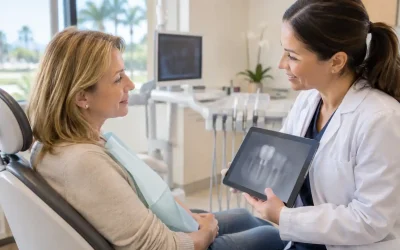
When a patient expresses concern about material allergy, experienced clinicians follow a systematic approach: take a focused medical and dental history, correlate symptoms with timing and restorations, and consider targeted testing. Questions include: Have you had metal dermatitis, eczema, or rashes to jewelry? Do symptoms appear immediately, or only after weeks? Are the symptoms localized to the mouth or generalized? Does removing or changing an existing restoration improve the problem?
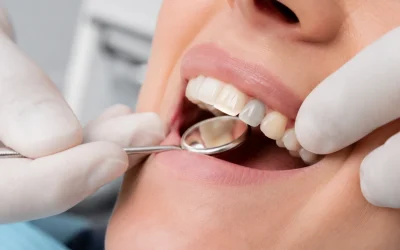
Physical exam focuses on the oral soft tissues: look for localized erythema, lichenoid reactions (white, lacy patches), ulceration, or persistent gingival swelling around margins. Bite and fit are evaluated to rule out mechanical irritants. Photographs and charting of existing restorations help identify possible galvanic couples (different metals contacting one another) or corroded margins. If an allergy is suspected, the dentist may consult with or refer to a dermatologist experienced in contact allergy testing.
Testing options and limitations
Patch testing (cutaneous contact testing) is the standard method to identify Type IV contact allergens. It places standardized allergen patches on the skin and evaluates skin reactions after 48–96 hours. Patch tests commonly include metal mixes and resin monomers. It’s important to recognize that oral mucosa can be less reactive than skin, and not all oral reactions will show up on skin patch testing. Blood tests exist but are less reliable for delayed contact sensitivity to dental materials. In many cases, the most practical approach is to use alternative materials (for example, switching to zirconia or to a noble-metal alloy) and observe whether symptoms resolve.
When deciding between zirconia and metal-based options, clinicians also weigh functional needs, esthetics, and prosthetic design. For example, a deeply subgingival margin may increase the risk of tissue irritation irrespective of the crown material, making margin placement and cement selection equally important. If you are comparing metal-free crown options, this zirconia crown vs porcelain crown guide explains how strength, esthetics, comfort, and sensitivity concerns may affect the choice.
Summary table: comparing materials and key considerations
| Material | Relative Allergy Risk | Key Considerations | Common Cement / Adhesive Options |
|---|---|---|---|
| Monolithic zirconia | Very low; true zirconia allergy is rare | Metal-free, strong, biocompatible, useful for sensitive patients | Resin-modified glass ionomer or zirconia-compatible resin cement |
| Porcelain-fused-to-metal | Variable; higher if alloy contains nickel or base metals | Good strength and esthetics, but metal substructure may irritate sensitive patients | Glass ionomer or resin cement depending on retention needs |
| High-noble gold alloys | Low to moderate; rare reactions to trace metals are possible | Corrosion-resistant and durable, but not metal-free | Conventional luting cement or adhesive cementation when indicated |
| All-ceramic / lithium disilicate | Low; metal-free | Highly esthetic, often preferred for visible teeth | Resin cement or other ceramic-compatible systems |
What to ask your dentist if you have crown material concerns
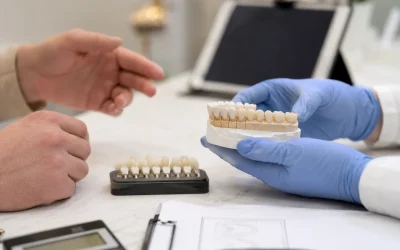
Bring a clear medical history and any documentation of prior allergic reactions. Tell your dentist about rashes from costume jewelry, watches, or belt buckles; these are common clues to nickel allergy, which would steer treatment away from nickel-containing alloys. Ask your clinician for full material disclosure: which alloy or ceramic will be used, what brand of cement, and whether provisional cement residues will be removed completely at final seating.
Ask about alternative cements and bonding strategies. If you have a history of resin allergies, your dentist can often use a different class of cement (for example, a glass ionomer or a specially formulated resin cement with fewer reactive monomers). For patients worried about metal ions, choosing monolithic zirconia or a high-noble alloy can reduce the risk of corrosion and ion release.
When to consider patch testing and how to interpret it
Patch testing is reasonable when history suggests a true contact allergy — for example, clear skin reactions to metal jewelry or persistent mucosal lichenoid lesions temporally related to a restoration. Discuss referral to a dermatologist or allergist experienced in dental material testing. Keep in mind patch results are not perfect: a negative patch test does not guarantee absence of oral sensitivity, and a positive test on the skin does not always predict an oral reaction. Nevertheless, patch testing provides valuable data that helps clinicians select alternatives and reduces guesswork.
To understand broader metal-free options, review this ceramic vs porcelain crown comparison before discussing esthetics, durability, and sensitivity concerns with your dentist.

Cosmetic Dentistry in Boca Raton
Get expert dental care and a personalized treatment plan designed for you.
Putting the pieces together: choosing the safest, longest-lasting crown
Choosing the right crown is a balance among allergy risk, functional needs, esthetic goals, and long-term prognosis. For patients with documented metal allergies, monolithic zirconia often provides an effective, low-risk alternative. For those prioritizing ultra-high esthetics in the front teeth, layered porcelain over a compatible substructure or high-translucency zirconia may be recommended with careful margin management to reduce soft tissue irritation.
Clinicians also consider opposing dentition (will the crown oppose natural enamel or another crown?), occlusal forces, bruxism, and the amount of remaining tooth structure. For example, an implant crown may tolerate different materials than a heavily restored natural tooth, and cement/bonding strategy will differ for a post-and-core tooth compared with a minimally prepared veneer or no-prep option.
Case examples to illustrate decision-making
Case example 1: A patient with a known nickel patch-test positive and a broken molar. The dentist recommended a monolithic zirconia crown cemented with a resin-modified glass ionomer to minimize exposure to resin monomers. The patient had complete symptom resolution, illustrating how swapping both the crown material and cement resolved the issue.
Case example 2: A patient with a history of contact dermatitis to costume jewelry presented wanting a highly esthetic front crown. Patch testing was inconclusive; the team elected for a high-translucency zirconia veneer bonded with a tested low-allergen resin system, with an agreement to monitor. The patient remained symptom-free and satisfied with esthetics after six months.
Aftercare, monitoring, and when to reevaluate
Even with the best material choice, monitoring after crown placement is essential. Patients should be advised to report persistent soreness, unusual taste, or new skin rashes. Routine recall exams allow the dentist to check margins, polish rough surfaces, and ensure no cement remnants are irritating tissues. If symptoms arise, clinicians may perform a stepwise diagnostic protocol: remove provisional cement from adjacent restorations, perform selective replacement of suspect materials, and, if needed, pursue patch testing or trial replacement with alternative materials.
Maintaining excellent oral hygiene reduces the risk of plaque-induced inflammation that can mimic an allergy. If you have a history of sensitivities, ask your dentist to document materials and cements used so future providers can make informed decisions.
Final practical checklist to bring to your appointment
- Bring a written medical history highlighting any skin reactions to jewelry, watches, or topical medications.
- Ask the practice to disclose the crown and cement brands and compositions before treatment.
- Request a trial strategy: provisional crowns with non-irritating provisional cement before final cementation if there is concern.
- Discuss patch testing and referral criteria if your history strongly suggests a true allergy.
- Agree on a monitoring plan with scheduled follow-ups to catch problems early.
Choosing the safest crown material is a collaborative process. With careful history-taking, judicious material selection, and open communication, most patients — even those worried about sensitivities — achieve comfortable, long-lasting results with zirconia or appropriate metal-based alternatives.
Cosmetic Dentistry in Boca Raton
Get expert dental care and a personalized treatment plan designed for you.
Choosing a Crown Material When You Have Allergy Concerns
A true allergy to a zirconia crown is considered very uncommon, but oral irritation after crown treatment should still be taken seriously. In many cases, symptoms are related to metal alloys, cement components, bonding agents, plaque retention, margin irritation, or fit issues rather than zirconia itself. The safest approach is to review your allergy history, disclose reactions to jewelry or prior dental materials, ask about the exact crown and cement being used, and consider patch testing when your medical history suggests a true contact allergy. At Smiles of Boca, this type of material conversation can help patients choose a crown that supports comfort, function, esthetics, and long-term oral health.
Common Questions
? How reliable and costly is patch testing for dental materials?
Patch testing is commonly used to evaluate delayed contact hypersensitivity to metals and some resin components used in dental materials. Its usefulness depends on testing the right allergens and working with a provider who understands dental material panels. Costs vary by provider, insurance, and the number of allergens tested.
- Example: A patient with chronic gum irritation around a PFM crown may be tested for nickel, palladium, chromium, and resin-related allergens before choosing a replacement material.
- Recommendation: Ask your dentist for a referral to a dermatologist or allergist familiar with dental material testing, and confirm which metals, cements, or resin monomers should be included.
? Can metal allergies affect dental implant outcomes?
Metal sensitivity may affect implant-related tissues in a small subset of patients, especially when non-titanium components or metal-based abutments are involved. Most modern implants use titanium or titanium alloys, which are generally well tolerated, but patients with documented metal allergies should still disclose that history before treatment.
- Example: A patient with a known metal allergy may benefit from careful selection of implant components, abutments, and crown materials.
- Recommendation: Tell your implant surgeon and restorative dentist about any confirmed metal allergy before surgery, and ask for written documentation of the implant, abutment, crown, and cement materials.
? How long before crown placement should testing or trials be done?
If you have no allergy history, pre-treatment testing is usually not required. If you have a known metal allergy, unexplained oral reactions, or previous problems with dental materials, extra time may be needed for medical referral, patch testing, material selection, or provisional trials.
- Example: A patient with a history of nickel sensitivity may need testing or material confirmation before the final crown is made or cemented.
- Recommendation: Mention allergy concerns at the first consultation so your dentist can plan testing, provisional materials, or alternative cement options without delaying final treatment.
? Will insurance cover allergy testing or specialty materials?
Coverage varies widely. Medical insurance may cover allergy testing when ordered by a physician or dermatologist for a documented concern, while dental insurance may not cover material upgrades such as zirconia or high-noble alloys at the same level as standard options.
- Example: A patient may have medical coverage for patch testing but still pay an additional dental fee for a specific crown material.
- Recommendation: Verify both medical and dental benefits before treatment, ask for preauthorization when possible, and request a written estimate for material upgrades.
? What questions should I ask my dentist when considering crown materials?
Ask which crown material will be used, whether it contains nickel or other base metals, what cement or adhesive will be used, and whether alternatives are available if you have a history of sensitivity. Also ask how the material fits your bite, esthetic goals, and long-term maintenance needs.
- Example: A patient with skin reactions to jewelry may ask for a metal-free zirconia crown and a cement option that matches their sensitivity history.
- Recommendation: Bring a written allergy history to your appointment and ask your dentist to document the selected crown material, cement, and any follow-up plan in your chart.