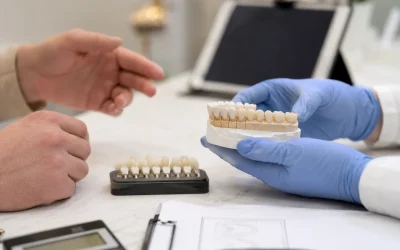
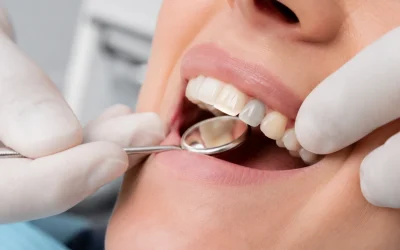
A composite crown is usually cheaper than a porcelain crown upfront, but it is not always the better value. Composite or resin crowns can work well as temporary, short-term, or low-load restorations, while porcelain crowns are usually more predictable for long-term strength, color stability, and esthetic results. This guide explains when a lower-cost crown makes sense, when it may fail sooner, and how to compare the real cost over time.
What patients may mean by a ‘resin crown
When patients say “resin crown,” they may mean very different things. In common dental conversations the term covers two practical categories: a temporary, laboratory- or chairside-made resin restoration used while a final crown is being fabricated, and a longer-term composite crown that’s built up and polished to function for months or a few years. The two look similar to a layperson because both use polymer materials, but they differ in composition, processing, expected lifespan, and cost. Understanding that split is the first step to making a smart choice for your smile.
Temporary resin crowns: the interim solution
Temporary resin crowns are designed to protect the tooth and maintain appearance while you wait for a lab-made restoration. They are fast and inexpensive, made from acrylic or provisional composite materials that are not fully cured like ceramics. Their role is protective and aesthetic for a limited time—days to a few months—and they are intentionally not engineered for decades of chewing or grinding. A temporary resin crown is a sensible, cost-conscious stopgap that preserves tooth position, protects gums, and gives you a preview of shape and shade during treatment.
Long-term composite crowns: a compromise, not always a savings
Long-term composite or resin crowns are milled or hand-layered restorations using higher-quality composite materials. They can be bonded to the tooth and may last several years in favorable conditions, particularly on back teeth that don’t receive heavy sideways forces. However, these restorations tend to discolor over time, require more frequent repairs, and have a higher risk of chipping or wearing down compared with porcelain. The perceived initial savings can vanish quickly when repairs and replacements add up.
Composite vs porcelain crowns: material differences that matter
When comparing a composite crown vs a porcelain crown, dentists evaluate strength, wear resistance, esthetics, bondability, and cost over time. Porcelain and ceramic materials offer superior compressive and flexural strength in most formulations used for crowns, along with long-term color stability and superior surface finish. High-quality porcelain crowns, when properly designed and bonded, resist staining and maintain polish longer than composite.
Composite crowns bond well to tooth structure and can be repaired easily with composite additions. They are less brittle than porcelain in some situations but are more prone to surface roughening, staining, and progressive wear. For a patient who grinds their teeth, has heavy chewing forces, or needs a multi-unit bridge, porcelain-based solutions are predictably stronger.
Resin crown vs porcelain on bite forces and occlusion
Function matters. Composites can be appropriate for low-load situations—small posterior restorations, low occlusal forces, or molars that are not part of a long-span bridge. But in heavy occlusion, in patients with bruxism, or when the restoration will need to absorb sideways forces, porcelain (often supported by a stronger substructure like zirconia or high-strength ceramic) is typically the safer choice. That difference explains why many clinicians prefer porcelain for long-term crowns, implants, and multi-unit work.
When lower-cost materials make sense — practical indications for composites
There are clear clinical situations in which a resin crown or composite crown is the best option. Temporary needs—covering a tooth after root canal therapy, maintaining aesthetics while a lab crown is made, or serving as a provisional following implant surgery—are classic cases. For limited-time aesthetic fixes, same-day chairside composite can provide immediate satisfaction.
Other valid indications include low-load posterior teeth that are not subject to heavy lateral forces, or patients seeking a lower-cost short-term option while they save for a porcelain restoration. In pediatric dentistry or for elderly patients with limited chewing demands, a composite crown can be a pragmatic and kinder choice.
Clinical example: when a composite crown is appropriate
Consider a 45-year-old patient who needs a single molar crown while they gather funds for a definitive restoration in six months. If that tooth is not heavily involved in chewing and the patient does not clench their teeth, a properly bonded composite crown provides protection and acceptable aesthetics in the interim. The dentist can repair or replace the composite at relatively low cost, and the tooth remains healthy while the patient prepares for the porcelain option.
When lower-cost crown materials are more likely to fail
Composite crowns are most likely to fail in these predictable situations: heavy occlusion and bruxism, long-span restorations (bridges), severe tooth wear or enamel loss, and high-esthetic anterior zones where color stability and translucency matter. Composite resins abrade and stain over time; small chips can lead to larger failures; and repeated repairs weaken the restoration-tooth interface.
A practical warning sign is repeated repair history. If a composite crown has been repaired multiple times, the prognosis declines and replacement with porcelain is often the more economical long-term option. For implants supporting single crowns, porcelain fused to zirconia or full-contour zirconia/porcelain crowns are generally preferred due to predictable strength and wear characteristics.
Case example: when a composite choice becomes a false economy
A patient chooses a composite crown for a front tooth because of its lower price. After two years of coffee, smoking, and normal chewing, the restoration shows staining and a chipped incisal edge. The repeated repairs add up, and after five years the tooth needs a new full-coverage porcelain crown. The total cost of repairs plus the eventual porcelain replacement exceeds what the patient would have paid initially for porcelain, and the time and inconvenience could have been avoided.
Cost over time: how to compare real crown value
To evaluate value, compare initial cost, repair frequency, aesthetic longevity, functional lifespan, and risk of needing redo work. A simple way to think about this is cost-per-year-of-service. A cheaper crown that fails after two years with multiple repairs can cost more per year than a porcelain crown that lasts 10–15 years with minimal maintenance.
Also include indirect costs: time off work for repairs, discomfort, and additional dental visits. For many patients at Smiles of Boca who prioritize long-term outcomes and comfort, a slightly higher initial investment in porcelain yields a more predictable and less intervention-heavy experience.
Comparative table: quick synthesis
| Feature | Composite / Resin Crown | Porcelain Crown |
|---|---|---|
| Typical initial cost | Lower | Higher |
| Lifespan expectation | Months to a few years, depending on use | Often 10–15+ years with proper care |
| Esthetic stability | More likely to stain or discolor | Strong color stability and stain resistance |
| Repairability | Easier to repair | May require polishing, bonding, or replacement if damaged |
| Best fit | Temporary, interim, or low-load cases | Long-term, esthetic, or higher-load restorations |
| Main risk | Wear, staining, repeated repairs | Higher initial cost, possible chipping under excessive force |
Maintenance, repairs, and signs of trouble
Composite crowns typically require more frequent maintenance. Surface roughness can trap stains and plaque, prompting polishing or repair. Bonded composites are also more sensitive to marginal breakdown, which can lead to recurrent decay if not monitored. Porcelain crowns generally need routine hygiene and occasional check-ups; they won’t stain the same way and their margins tend to hold up longer when properly fitted.
If you already have a composite crown, watch for new sensitivity, visible marginal gaps, increased staining at the gumline, or changes in bite. These signs merit an evaluation: sometimes a simple re-polish or repair suffices; other times a full replacement with a porcelain crown is the safer route for long-term function.
Relevant research and practical resources
If you are trying to understand how porcelain compares on strength, longevity, and staining properties, authoritative resources and clinic pages summarize the evidence and clinical experience. For instance, comparisons that analyze fracture resistance and long-term outcomes help explain why many practices prefer porcelain for permanent crowns. Detailed explanations of porcelain strength can be found by reading about how strong are porcelain crowns in clinical terms.

Cosmetic Dentistry in Boca Raton
Get expert dental care and a personalized treatment plan designed for you.
Esthetics and staining: resin crown vs porcelain considerations
A major concern for patients is whether their crown will stain over time. Porcelain is glazed and fired at high temperatures, creating a surface that resists most staining agents and maintains translucency and luster. If you’re comparing resin crown vs porcelain in terms of long-term color match, porcelain is the superior choice. That said, proper shade selection and glazing technique are essential.
Composite restorations are more vulnerable to pigment absorption from coffee, tea, red wine, and tobacco. They also pick up surface scratches that make staining worse. If color match and long-term whiteness are priorities—especially in the smile zone—porcelain minimizes the chance of needing a cosmetic redo.
For practical guidance on staining and maintenance of porcelain crowns, patients often consult expert summaries about porcelain behavior over time, including myths vs facts and care tips. If long-term color match matters to you, this guide on whether porcelain crowns stain explains what affects brightness, surface buildup, and maintenance.
Longevity, repairability, and the risk of redo work
Predictability matters. A crown that lasts longer with fewer interventions usually represents better value. Porcelain crowns have a documented track record of lasting many years when properly planned, prepared, and maintained. In contrast, composite crowns often require touch-ups and may ultimately need replacement sooner.
When planning treatment at Smiles of Boca, we weigh the risk of needing redo work. If a patient has limited funds but high functional demands, we may recommend staged planning: a strong, durable restoration in the highest-risk areas and conservative composite solutions elsewhere. To compare true long-term value, review how long porcelain crowns last and which habits can extend or shorten their lifespan.
Example: staged treatment to balance cost and durability
A patient with multiple decayed molars and limited budget might have their most functionally critical teeth restored with porcelain crowns while less-stressed teeth receive composite restorations. This hybrid approach reduces immediate cost but still protects chewing efficiency and long-term oral health. Actionable recommendation: ask your dentist for a priority plan that lists which teeth should receive the strongest material first and which can safely use composite as a temporary compromise.
Decision checklist: how to choose between a composite crown and a porcelain crown
Use a checklist to make the decision personal and evidence-based. Key questions include: Is the tooth in the esthetic zone? Are there heavy grinding habits? Is the restoration expected to be temporary or definitive? What is the budget and willingness to accept future repairs? Answering these helps match the material to functional and aesthetic demands.
Also consider your long-term goals. If you want minimal maintenance and maximum predictability, porcelain is usually the better investment. If you need a temporary or low-cost interim restoration with explicit plans to upgrade later, a composite crown can be a reasonable step—but only when the clinical situation supports it.
Final practical steps before committing
1) Get a written treatment plan with timelines and cost estimates for both composite and porcelain routes.
2) Ask about warranties or guarantees on the work and what routine maintenance is included.
3) Request photographs or examples of previous cases from your dentist so you can visually compare outcomes.
These steps help avoid surprises and keep expectations aligned.
Cosmetic Dentistry in Boca Raton
Get expert dental care and a personalized treatment plan designed for you.
Choosing the Crown Material That Fits Your Long-Term Plan
A composite crown can be a practical choice for temporary protection, staged treatment, or carefully selected low-load cases, but it should not automatically be viewed as a permanent substitute for porcelain. Porcelain crowns usually offer stronger long-term value when durability, color stability, esthetics, and fewer repairs are priorities. Before deciding based on price alone, ask your dentist to compare expected lifespan, maintenance, repair risk, and total cost over time so your treatment plan matches both your budget and your oral health goals.
Common Questions Before Choosing a Composite or Porcelain Crown
? How do dentists decide between a resin temporary and a long-term composite crown?
Ejemplo: A patient waiting two weeks for a porcelain crown may receive a resin temporary to protect the tooth and maintain appearance.
Recomendacion: Ask your dentist to clearly explain whether the proposed crown is temporary, interim, or definitive, and how long it is expected to last.
? What are common mistakes patients make when choosing the cheaper composite option?
Ejemplo: A patient may choose composite for a visible front tooth, then need multiple polishing or repair visits because of staining and chipping.
Recomendacion: Ask for a 5-10 year cost comparison that includes expected repairs, replacement timing, and maintenance for both composite and porcelain.
? How should a patient evaluate a dentist’s skill and tools when considering a porcelain crown?
Ejemplo: A porcelain crown made with accurate digital scans and a skilled lab is more likely to fit well, look natural, and require fewer adjustments.
Recomendacion: Ask to see similar case examples and confirm what material, lab process, and follow-up care will be used.
? What timelines and milestones should a patient expect when planning crown replacement or upgrade?
Ejemplo: A patient replacing several old restorations may receive temporary crowns first, then complete porcelain crowns in stages to manage cost and healing.
Recomendacion: Request a written timeline that includes temporary crown care, final crown placement, follow-up visits, and any staged upgrades.
? How do indirect costs like time off work and repairs affect the real price comparison?
Ejemplo: A lower-cost composite crown may seem affordable at first, but repeated repair appointments can reduce or erase the initial savings.
Recomendacion: Compare the total cost of ownership, not just the first appointment fee. Include likely repairs, maintenance visits, travel, and time away from work.