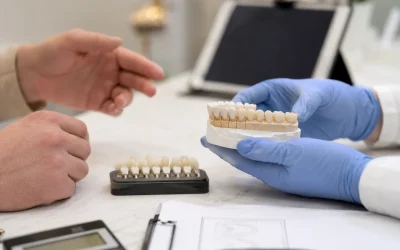
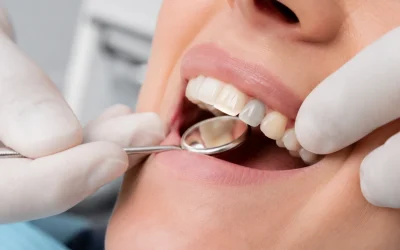
Choosing the right crown material can make all the difference in both your dental health and your confidence when you smile. In modern dentistry, two of the most common choices are ceramic and porcelain crowns—both designed to restore strength and achieve a natural look. But when it comes to ceramic vs porcelain crown, how do you know which one is better for you?
At Smiles of Boca, we help patients make informed decisions about their oral health by explaining every detail clearly. In this guide, we’ll explore what makes these crowns unique, their pros and cons, and which is best for your smile’s needs.
What Are Dental Crowns and When Are They Needed?
Dental crowns are protective “caps” placed over damaged, decayed, or weakened teeth. They not only restore the tooth’s function but also its shape, color, and appearance. Dentists often recommend crowns to:
- Protect a cracked or weakened tooth
- Restore a worn-down tooth
- Cover a tooth after a root canal
- Improve the shape or color of a tooth
- Support a bridge or cover a dental implant
Because crowns combine aesthetic restoration and strength, understanding the differences between ceramic vs porcelain crown materials helps ensure lasting, natural-looking results.
Ceramic Crowns: Durable and Metal-Free
Ceramic crowns are crafted entirely from advanced ceramic materials like zirconia or lithium disilicate, both known for their durability and natural appearance.
Advantages of Ceramic Crowns
- Exceptional strength: Zirconia-based crowns are extremely strong, making them ideal for back teeth that experience heavy chewing.
- Natural appearance: Ceramic crowns reflect light similarly to natural enamel, blending seamlessly with surrounding teeth.
- Biocompatibility: These crowns are metal-free and safe for patients with allergies or sensitivities.
- Stain resistance: Ceramic materials are highly resistant to discoloration, helping your smile stay bright over time.
Disadvantages of Ceramic Crowns
- Cost: Ceramic crowns can be slightly more expensive due to the technology and materials used.
- Chipping under pressure: While strong, ceramics can chip if exposed to sudden force or hard biting.
- Complex procedure: Fabrication and fitting require precision and multiple steps to ensure a perfect result.
In short, ceramic crowns offer a powerful combination of durability and aesthetics, especially for patients who prefer a fully metal-free restoration.
Porcelain Crowns: Classic and Aesthetically Pleasing
Porcelain crowns are a tried-and-true choice in cosmetic dentistry, offering remarkable beauty and customization. Many porcelain crowns are made from feldspathic porcelain or porcelain fused to metal (PFM).
Advantages of Porcelain Crowns
- Highly aesthetic: Porcelain is known for its translucency, which closely mimics the way natural teeth reflect light.
- Customizable: These crowns can be precisely shaped and color-matched to fit your smile perfectly.
- Reliable history: Porcelain crowns have been used in dentistry for decades, making them a proven and trusted option.
Disadvantages of Porcelain Crowns
- Metal base visibility: PFM crowns may show a thin metal line at the gum as tissues recede.
- Can wear opposing teeth: Porcelain’s hardness may slightly wear down adjacent natural teeth over time.
- Less strong than zirconia: While durable, porcelain crowns are more prone to cracking under high stress.
Despite these limitations, porcelain crowns remain a gold standard for front teeth where lifelike beauty is the top priority.
Ceramic vs Porcelain Crown: Which One Should You Choose?
Choosing between ceramic vs porcelain crown depends on several factors, such as tooth position, aesthetic goals, and lifestyle habits.
- Aesthetics: For patients seeking the most natural translucency, porcelain crowns often provide unmatched realism. However, modern ceramics like lithium disilicate now rival porcelain in achieving a bright, lifelike appearance.
- Strength and Durability: If strength and resistance to fracture are top concerns (especially for molars) zirconia-based ceramic crowns are the best choice. Porcelain crowns, while beautiful, are better suited for areas with lower bite force.
- Metal Sensitivity: Ceramic crowns are 100% metal-free and hypoallergenic, making them ideal for patients with metal sensitivities or gum discoloration concerns.
- Cost and Longevity: Both options represent long-term investments in your smile. Ceramic crowns may cost more initially, but they often last longer with proper care—typically 15 years or more.
How Long Do Ceramic and Porcelain Crowns Last?
The lifespan of both types of crowns depends on factors like oral hygiene, bite force, and dental habits.
- Ceramic crowns: 15–20 years on average with proper maintenance.
- Porcelain crowns: 10–15 years, though some may last longer with regular care.
At Smiles of Boca, we use cutting-edge materials and technology to maximize the longevity of every crown we place.
Caring for Your Dental Crown
Regardless of whether you choose ceramic or porcelain, good maintenance is key to longevity. Here are some essential care tips:
- Brush twice daily using non-abrasive toothpaste.
- Floss gently to avoid dislodging or stressing the crown margins.
- Avoid chewing hard foods like ice or hard candy.
- Schedule regular dental check-ups every six months for cleaning and adjustments.
- Use a night guard if you grind your teeth while sleeping.
Proper care ensures that your crown continues to look and function beautifully for years.
The Smiles of Boca Approach
At Smiles of Boca, we combine artistry and precision in every treatment. Our dental professionals specialize in aesthetic and restorative dentistry, offering both ceramic and porcelain crown options tailored to your unique smile.
Whether you prioritize strength, beauty, or biocompatibility, we’ll help you find the right balance. We also provide advanced options such as veneers, implant restorations, and digital smile design to ensure your results look completely natural.
Choosing the Right Crown for a Confident Smile
Now that you understand the main differences between ceramic vs porcelain crown, it’s clear that both materials can beautifully restore your smile when chosen correctly. Ceramic crowns provide exceptional durability and are ideal for patients seeking metal-free strength, while porcelain crowns remain a timeless choice for those who value lifelike translucency and elegance.
At Smiles of Boca, our expert team evaluates your oral health, bite, and aesthetic goals to recommend the most suitable option for your unique needs. Whether you’re looking to enhance your smile’s beauty or restore function with precision, we’re here to help you achieve results that are natural, comfortable, and built to last.