Finding the best dental bridge dentist in Boca Raton requires selecting a provider who prioritizes abutment health, precise occlusion, and high-quality laboratory materials. This restorative procedure typically takes 2–3 weeks and is ideal for patients with healthy supporting teeth who prefer a non-surgical alternative to implants. In this guide, you will learn how to evaluate clinical expertise, compare bridge materials, and understand the long-term maintenance required for a lasting smile.
Why a bridge might be the right restorative choice (best dentist for dental bridges near me)
Dental bridges remain a common and effective option when one or more teeth are missing and implants are not suitable or preferred. A well-planned bridge restores chewing function, prevents surrounding tooth drift, and improves appearance. At Smiles of Boca we evaluate how a bridge will interact with your whole mouth—rather than offering a one-size-fits-all fix—so you get a solution that balances form and function.
When bridges are preferred over other options
Bridges are often preferred when adjacent teeth already have large restorations and can be used as reliable abutments, or when medical conditions or bone levels rule out implant surgery. They can also be faster to complete when time is a priority. However, success depends on careful assessment of the supporting teeth and gums, the expected load on the restoration, and the design chosen by your dentist.
Key clinical factors to confirm first
Before committing, a dentist should confirm the strength and vitality of the abutment teeth, measure gum and bone levels, and evaluate opposing dentition. A quality practice performs diagnostic casts, occlusal analysis, and possibly 3D imaging to predict long-term behavior. Understanding these fundamentals reduces surprises and improves longevity.
Health of supporting teeth and gums: foundational checks
Supporting teeth (abutments) and surrounding gum tissue are the foundation of any bridge. If an abutment tooth has untreated decay, a large history of endodontic problems, or active periodontal disease, the bridge is at risk of failure. Smiles of Boca emphasizes treating any infection, stabilizing gum tissue, and strengthening or restoring abutment teeth before bridge placement.
Periodontal evaluation and management
Gum disease weakens the bone that supports teeth and is a leading cause of bridge breakdown. A careful periodontal exam measures pocket depths, bleeding on probing, and bone loss patterns. If pockets exceed healthy ranges or bone loss is present, periodontal therapy—scaling, root planing, or surgical intervention—may be necessary before designing a bridge. Ensuring gum health first protects both the bridge and long-term oral health.
When an abutment tooth should be strengthened or replaced
Teeth that will support a bridge should be structurally sound or rebuilt to be predictable. That may include placing crowns, cores, or root canal treatment before using a tooth as an abutment. If a nearby tooth is compromised beyond reliable restoration, alternative plans—like extending the bridge to other teeth or considering implants—should be evaluated.
Bridge design and materials: matching strength and aesthetics
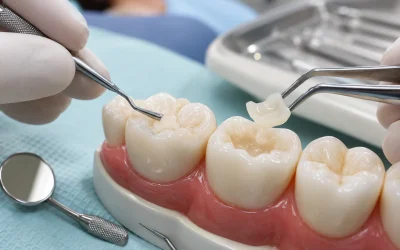
Bridge design affects durability, maintenance, and how natural your new smile looks. Bridges can be traditional (with crowns on abutment teeth), cantilever (supported on one side), or resin-bonded/minimally invasive (no-prep approach). Each design has pros and cons; for example, resin-bonded bridges preserve tooth structure but are generally less robust under heavy biting forces.
To explore the range of forms and benefits of bridges in simple detail, your dentist should review options and expected outcomes. For more on common bridge types and how they behave, consider professional resources such as an overview of dental bridge types and benefits that compare traditional, cantilever and minimally invasive solutions in clinical practice.
Material choices and the lab partnership
Porcelain-fused-to-metal bridges offer strength and acceptable aesthetics, while all-ceramic materials (such as zirconia or layered porcelain) give superior translucency and lifelike color matching. The choice depends on bite forces, the location in the mouth, and your aesthetic priorities. A dentist who collaborates with a skilled dental laboratory will produce the best color matching and contouring for a natural appearance.
No-prep and porcelain veneer relationships
In cases where adjacent teeth are ideal candidates, no-prep or minimally invasive options can minimize tooth reduction. However, these require precise planning to avoid over-contouring or poor occlusion. Smiles of Boca balances conservative preparation with durable material selection to meet both aesthetic and functional goals.

Cosmetic Dentistry in Boca Raton
Get expert dental care and a personalized treatment plan designed for you.
Bite function and occlusion: how chewing forces affect bridge success
Occlusion—the way your teeth meet—directly impacts a bridge’s longevity. Uneven contacts, high points, or parafunctional habits like grinding (bruxism) can cause fractures, debonding, or accelerated wear. A careful occlusal analysis includes bite registrations, evaluating how forces are distributed, and sometimes fabrication of an occlusal guard to protect restorations.
Designing for function: splinting and load distribution
Smiles of Boca considers how to spread chewing loads across multiple teeth when needed. In some situations, clinicians design longer-span bridges or include additional abutments to reduce stress. When bruxism is present, custom night guards and material selection that tolerates heavy loads are part of the plan.
Practical checks at the try-in stage
Before final cementation, try-in appointments test fit, contacts, and comfort. Adjustments at this stage are expected; a technician and clinician working together will refine occlusion, ask about comfort during function, and confirm aesthetics under realistic lighting.
Long-term maintenance and what to plan for
Maintaining a bridge involves daily oral hygiene, routine dental checkups, and occasional repairs. Lifespan varies: many bridges last a decade or more with good care, though factors like oral hygiene, systemic health, and bite patterns influence longevity. Your dentist should present realistic expectations and a maintenance schedule tailored to your situation.
Daily care and professional cleanings
Cleaning an abutment-supported bridge often requires floss-threaders, interdental brushes, or water flossing to remove plaque under pontics. Smiles of Boca provides hands-on instruction and tools matched to your bridge design so you can clean effectively and prevent decay or gum inflammation around abutments.
Signs of trouble to watch for
Be attentive to sensitivity around abutment teeth, persistent bad taste, mobility, or changes in bite. Early reporting of concerns lets your dentist troubleshoot before a small problem becomes a failure. Timely repairs, re-cementation, or redesign can extend the life of the restoration.
| Evaluation Area | What to Check | Impact on Treatment |
|---|---|---|
| Supporting teeth | Decay, restorability, root status | Determines abutment choice and need for crowns or RCT |
| Gum & bone health | Pocket depths, bone loss | May require periodontal therapy pre-restoration |
| Occlusion | Contact points, bruxism | Guides material selection and need for protective appliances |
Cost expectations and comparing your options
Costs vary with materials, number of units, diagnostic imaging, and lab fees. A transparent practice will outline a full estimate including preparatory treatments (periodontal therapy, crowns, or root canals). For a clear idea of regional price ranges and factors that influence pricing, review an explanation of dental bridges cost in Boca Raton that breaks down typical components of treatment and financing considerations specific to this area.
Insurance, warranties and financing
Insurance often covers a portion of bridge costs after deductibles, but policies vary. Ask for a pre-treatment estimate and whether the practice offers in-house financing, third-party plans, or phased treatment to spread costs. A good provider will also discuss realistic warranty terms and what happens if a restoration fails.
Bridge vs implant: when to consider alternatives
While bridges are effective, implants may be more appropriate long-term for some patients because they preserve adjacent tooth structure and help maintain bone levels. Conversely, implants require sufficient bone and surgical considerations. A balanced consultation will compare the pros and cons of each option specific to your oral health and goals.
When weighing these options, it helps to review impartial comparisons such as a detailed dental bridge vs implant comparison that explains indications, timelines, and maintenance for both approaches so you can make an informed choice aligned with functional and aesthetic priorities.
Patient-centered decision-making
Smiles of Boca looks at your overall health, timeline, budget, and smile goals. For example, a patient with multiple missing teeth and thin bone might first be recommended bone grafting and implants, while another may prefer a bridge due to a shorter timeline or medical contra-indications for surgery. Treatment planning includes contingency steps so you know how the plan will adapt if circumstances change.
Cosmetic Dentistry in Boca Raton
Get expert dental care and a personalized treatment plan designed for you.
Assessing aesthetic outcomes and smile design
Natural appearance is essential when a bridge is visible. Shade matching, contouring, and emergence profile must mimic natural teeth and harmonize with your facial features. Your dentist should use high-quality photography, shade guides, and lab communication to achieve lifelike results. At Smiles of Boca, we prioritize a stepwise approach: diagnostics, provisional restorations for patient feedback, and final glazing to deliver predictable aesthetics.
Provisional restorations and patient feedback
Provisional or temporary bridges let you live with the planned contours, speaking and chewing to ensure comfort and aesthetics before the final restoration. If a patient finds a provisional too bulky or the shade too bright, adjustments can be made to the final design—this iterative process improves patient satisfaction and reduces rework.
Matching surrounding restorations and veneers
When adjacent teeth have veneers or crowns, your dentist must coordinate materials and translucency to avoid mismatched shades. Smiles of Boca coordinates veneer and bridge planning so the final smile is cohesive and balanced with minimal surprises.
How to Choose the Best Dental Bridge Dentist in Boca Raton
Selecting the right provider is as critical as the treatment itself. To ensure a successful restoration, look for a practice that offers comprehensive diagnostics, transparent planning, and a portfolio of natural-looking results.
Final Commitment Checklist
Before you proceed with treatment, ensure your provider has completed the following:
-
Comprehensive Evaluation: A full oral exam including 3D imaging and periodontal clearance.
-
Custom Design Rationale: A clear explanation of why specific materials and bridge types were chosen for your bite.
-
Functional Planning: A strategy to manage occlusion and potential bruxism (grinding).
-
Clinical Transparency: A provisional try-in stage and a written estimate covering both the procedure and long-term maintenance.
Your Path to a Restored Smile
Choosing a dental bridge is a significant decision that impacts your oral health and confidence. The most durable results come from a meticulous approach to abutment health and precision engineering. At Smiles of Boca, we focus on personalized restorative plans that prioritize predictable outcomes and lifelike aesthetics.
If you are looking for the best dental bridge dentist in boca raton, we invite you to schedule a consultation. During your visit, feel free to ask about our laboratory partnerships and request to see our gallery of completed cases to ensure our expertise aligns with your goals.