The best cosmetic dentist in Boca Raton should have verifiable credentials, relevant training, documented results, and a clear process for evaluating your oral health, bite, and treatment options. Reviews and before-and-after photos are useful, but they are not enough to determine whether a dentist is the right choice for veneers, crowns, or a complete smile makeover.
This guide explains 10 factors to verify before choosing a cosmetic dentist. At Smiles of Boca, treatment planning combines digital smile design, carefully selected materials, and personalized recommendations focused on natural-looking results and long-term oral health.
Understanding Cosmetic Dentistry
Cosmetic dentistry focuses on improving the color, shape, alignment, and proportions of the teeth while considering oral health and function. Depending on the patient’s needs, treatment may include whitening, bonding, veneers, crowns, Invisalign, or a combination of procedures.
Common goals of cosmetic dentistry include:
- Correcting discoloration or uneven tooth tone.
- Repairing chips, cracks, or worn edges.
- Closing small gaps.
- Improving the appearance of slightly misaligned teeth.
- Reshaping uneven or short teeth.
- Creating a more balanced and natural-looking smile.
Because cosmetic dentistry includes treatments with different materials, preparation requirements, and levels of complexity, patients should evaluate more than appearance alone. Learn more in our article, “Is Cosmetic Dentistry a Specialty?”.

Cosmetic Dentistry in Boca Raton
Get expert dental care and a personalized treatment plan designed for you.
10 Things to Verify Before Choosing a Cosmetic Dentist in Boca Raton
1. Verify the Dentist’s Florida License
Start by confirming that the dentist holds an active Florida license through the state’s official license verification system. Check the dentist’s full name, profession, license number, current status, and any publicly available disciplinary information.
An active license confirms that the provider is legally authorized to practice dentistry in Florida. However, it does not indicate how much experience the dentist has with veneers, crowns, smile makeovers, or other cosmetic procedures, so additional credentials should also be reviewed.
2. Review Education, Training, and Relevant Experience
Review where the dentist earned their dental degree and what additional education they have completed in cosmetic dentistry, restorative procedures, veneers, smile design, dental materials, orthodontics, and bite evaluation.
Experience should also be relevant to the treatment you are considering. Ask how frequently the dentist performs the procedure and whether they can show cases involving concerns similar to yours.
Patients can review the education, certifications, affiliations, and professional experience of Dr. Rafael Morales before scheduling a consultation.
3. Understand Membership vs. Accreditation
Professional membership and accreditation are not interchangeable. Membership generally indicates that a dentist belongs to an organization, while accreditation may require additional examinations, documented clinical cases, and formal evaluation.
For example, the American Academy of Cosmetic Dentistry distinguishes regular members from Accredited Members who have completed its credentialing process. When reviewing a dentist’s qualifications, confirm the exact credential instead of assuming that every professional affiliation represents accreditation.
Cosmetic Dentistry in Boca Raton
Get expert dental care and a personalized treatment plan designed for you.
4. Evaluate Before-and-After Cases Carefully
Reviews can help you understand the patient experience, but before-and-after cases provide different information. Look for examples involving concerns similar to yours and compare the lighting, angle, distance, and position used in the initial and final photographs.
A useful case should explain the original concern, treatment performed, teeth involved, and result achieved. It should also allow you to evaluate how the teeth relate to the gums, lips, facial features, and overall smile rather than showing only an isolated close-up.
You can review documented treatments involving veneers, crowns, Invisalign, implants, bridges, and dentures in the Smiles of Boca Smile Gallery.
5. Compare Treatments and Dental Materials
A reliable cosmetic consultation should compare appropriate options instead of automatically recommending veneers or crowns. The right treatment depends on your tooth structure, enamel, alignment, bite, oral health, aesthetic goals, and the extent of the change you want.
Common options include:
- Professional teeth whitening for discoloration affecting natural teeth.
- Cosmetic dental bonding or composite veneers for selected chips, gaps, edges, or shape concerns.
- Porcelain veneers for selected changes involving color, shape, size, or proportion.
- No-prep veneers or Lumineers in cases where the tooth position and available space make a minimal-preparation approach appropriate.
- Invisalign when alignment should be improved before or instead of restorative treatment.
- Porcelain crowns when a tooth requires more extensive structural coverage.
When comparing materials, ask how much tooth preparation is required, how the restoration can be repaired, what laboratory or fabrication process will be used, and what maintenance may be necessary.
Learn more about what veneers are and compare the options in “Exploring the Different Types of Veneers: A Guide to Cosmetic Dentistry Options.”
Cosmetic Treatment Comparison at a Glance
| Option | Tooth Preparation | May Be Considered For | Important Question |
|---|---|---|---|
| Porcelain veneers | Usually some enamel preparation | Changes in color, shape, proportion, chips, or selected spacing concerns | How much enamel will be removed? |
| Composite veneers | None to minimal in many cases | Smaller changes in shape, edges, gaps, or discoloration | Can the material be repaired or polished later? |
| No-prep veneers or Lumineers | Case-dependent | Selected patients with suitable tooth position and available space | Will the result add excessive thickness or bulk? |
| Teeth whitening | No tooth reduction | Discoloration affecting natural teeth | Should whitening be completed before restorations? |
| Invisalign | No restorative tooth reduction | Alignment and selected bite concerns | Could alignment reduce the number or thickness of veneers needed? |
| Porcelain crowns | More extensive tooth coverage | Structurally damaged, heavily restored, or weakened teeth | Why is a crown preferable to a more conservative option? |
6. Ask the Right Questions During the Consultation
A cosmetic dentistry consultation should help you understand not only what can be changed, but also what will happen to your natural teeth. Consider asking:
- What alternatives are available besides veneers or crowns?
- How much natural enamel or tooth structure will be removed?
- Is the treatment reversible?
- How will my bite be evaluated?
- Could whitening, bonding, or Invisalign achieve a more conservative result?
- Can I see before-and-after cases similar to mine?
- Who will design and fabricate the restorations?
- Will I receive a digital preview, wax-up, or mock-up?
- What maintenance, repairs, or replacements may be necessary?
- What happens if a veneer chips, loosens, or does not feel comfortable?
- What is included in the treatment estimate?
- How will the final shade and shape be approved?
7. Confirm That Oral Health and Bite Are Evaluated
Before veneers, crowns, or a complete smile makeover, the dentist should evaluate the teeth, gums, existing restorations, enamel, alignment, and bite. Untreated decay or gum disease should be addressed before cosmetic restorations are placed.
Bite planning is also important because clenching, grinding, a deep bite, uneven forces, or significant tooth wear may affect the treatment recommendation and the long-term behavior of restorations. In some cases, Invisalign, a night guard, or another preliminary treatment may be discussed before moving forward.
A cosmetic plan should improve appearance without ignoring the way the upper and lower teeth contact during daily function.
8. Understand the Risks of Irreversible Procedures
Some cosmetic procedures require permanent changes to natural tooth structure. Traditional porcelain veneers commonly involve removing a small amount of enamel, while crowns generally require more extensive preparation.
Once enamel or tooth structure has been removed, it does not grow back. The patient may therefore need ongoing restorative care, maintenance, repair, or future replacement of the restoration.
Terms such as “minimal-prep” or “no-prep” should not be interpreted as a guarantee that a procedure is reversible or appropriate for every patient. Ask the dentist to explain exactly what will be altered before approving treatment.
9. Watch for Unrealistic Promises
Cosmetic dentistry can produce significant improvements, but every treatment has limitations. Warning signs may include:
- Guaranteeing a perfect result or an exact lifespan.
- Recommending the same smile design for every patient.
- Suggesting veneers or crowns without evaluating the gums and bite.
- Avoiding questions about enamel removal.
- Claiming that every patient qualifies for no-prep veneers.
- Using before-and-after photos without explaining the treatment performed.
- Failing to discuss maintenance, repairs, or possible replacement.
- Pressuring the patient to make an immediate decision.
- Presenting only one treatment without discussing reasonable alternatives.
A trustworthy consultation should explain both the expected benefits and the limitations of the proposed treatment.
10. Know When to Seek a Second Opinion
A second opinion may be helpful when a treatment would involve several healthy teeth, permanent enamel removal, full crowns, or a significant financial commitment.
It may also be appropriate when:
- The recommended treatment is not clearly explained.
- Conservative alternatives are not discussed.
- You are unsure why crowns are recommended instead of veneers or bonding.
- Bite, grinding, gum health, or tooth wear have not been evaluated.
- The proposed result seems unrealistic.
- You feel pressured to begin treatment quickly.
- You do not fully understand the maintenance or long-term implications.
Seeking another professional perspective does not necessarily mean the first recommendation is incorrect. It can help you compare options and feel more confident before proceeding with irreversible treatment.
The Smiles of Boca Experience: What to Expect
At Smiles of Boca, cosmetic treatment begins with a personalized evaluation rather than a predetermined procedure. The objective is to help patients understand their oral health, treatment alternatives, preparation requirements, and expected maintenance before making a decision.
Step 1: Comprehensive Consultation
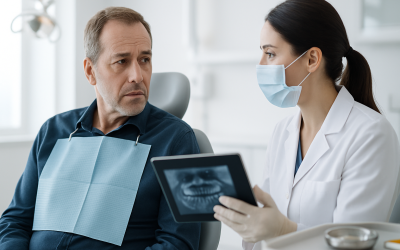
The consultation may include digital scans, photographs, an oral health evaluation, bite assessment, and a discussion about what you would like to improve. Appropriate treatment alternatives, preparation requirements, and expected maintenance are reviewed before a plan is selected.
Step 2: Digital Smile Design
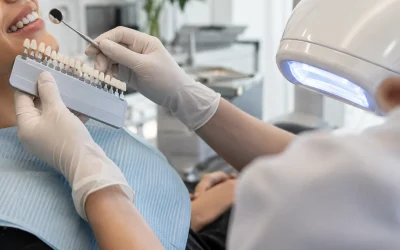
Digital Smile Design helps evaluate tooth proportions, symmetry, alignment, shade, and the relationship between the teeth and facial features. Depending on the treatment, patients may be able to review a digital preview or proposed design before proceeding.
Step 3: Personalized Treatment
Once the plan is approved, treatment is completed using the materials and techniques selected for the individual case. The objective is to achieve a natural-looking result while preserving healthy tooth structure whenever clinically appropriate.
Step 4: Maintenance and Follow-Up
After treatment, patients receive care instructions and recommendations for professional cleanings, checkups, daily hygiene, and protective measures such as a night guard when indicated.
Cosmetic Dentistry in Boca Raton
Get expert dental care and a personalized treatment plan designed for you.
How Smiles of Boca Applies These Selection Criteria
Patients comparing cosmetic dentists in Boca Raton can review several aspects of the Smiles of Boca approach before scheduling treatment.
- Professional Background: Patients can review the education, experience, continued training, certifications, and professional affiliations of Dr. Rafael Morales.
- Documented Cases: The Smile Gallery includes before-and-after cases involving veneers, crowns, Invisalign, dental implants, bridges, and dentures, along with information about the starting point, treatment, and result.
- Patient Experiences: Public feedback and video testimonials are available on the Smiles of Boca reviews page.
- Multiple Treatment Options: Smiles of Boca provides different cosmetic and restorative options, allowing patients to compare treatments such as whitening, bonding, Invisalign, porcelain veneers, no-prep veneers, Lumineers, crowns, and complete smile planning.
- Digital and Personalized Planning: Consultations may incorporate digital scans, photographs, bite evaluation, and Digital Smile Design to develop a plan based on the patient’s oral health, facial features, and aesthetic goals.
Make an Informed Cosmetic Dentistry Decision
Choosing the best cosmetic dentist in Boca Raton involves verifying more than reviews, technology, or attractive before-and-after photos. License status, relevant training, accurate credentials, case documentation, material selection, bite planning, treatment alternatives, and the risks of irreversible procedures should all be considered.
Smiles of Boca provides personalized cosmetic consultations for patients who want to understand their options before making a decision. Schedule your consultation to discuss your smile goals, oral health, and the treatments that may be appropriate for your case.